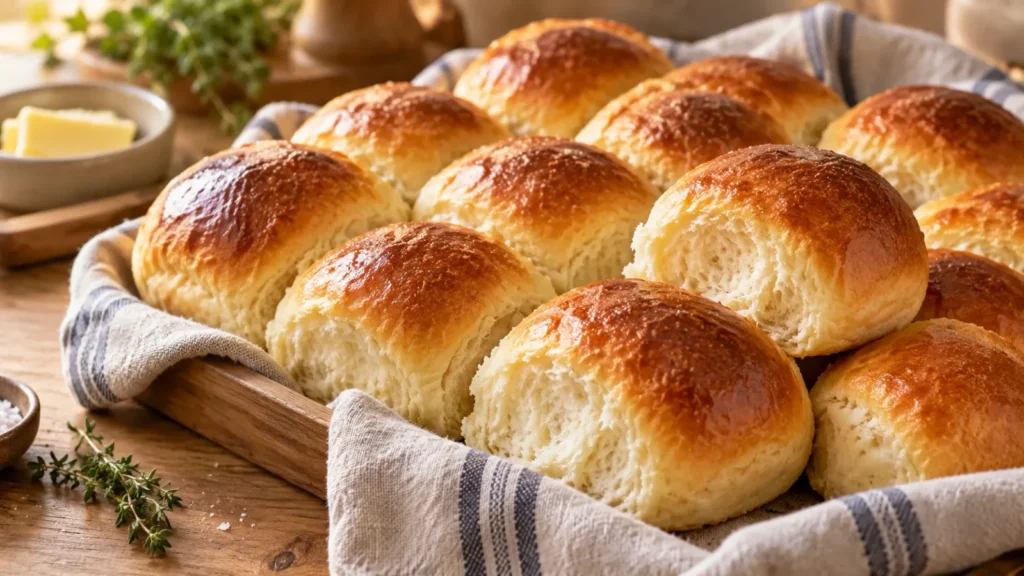
Are you looking for a dinner rolls recipe that yields soft, pillowy, and deliciously buttery rolls? Look no further! This easy dinner rolls recipe is perfect for beginners and experienced bakers alike. With its simple ingredients and straightforward instructions, you’ll be enjoying homemade dinner rolls in no time.
Table of Contents
Why You’ll Love This Recipe
- Soft and buttery texture
- Easy to make and requires minimal ingredients
- Perfect for weeknight dinners or special occasions
- Can be made ahead and frozen for later use
Key Ingredients & Substitutions
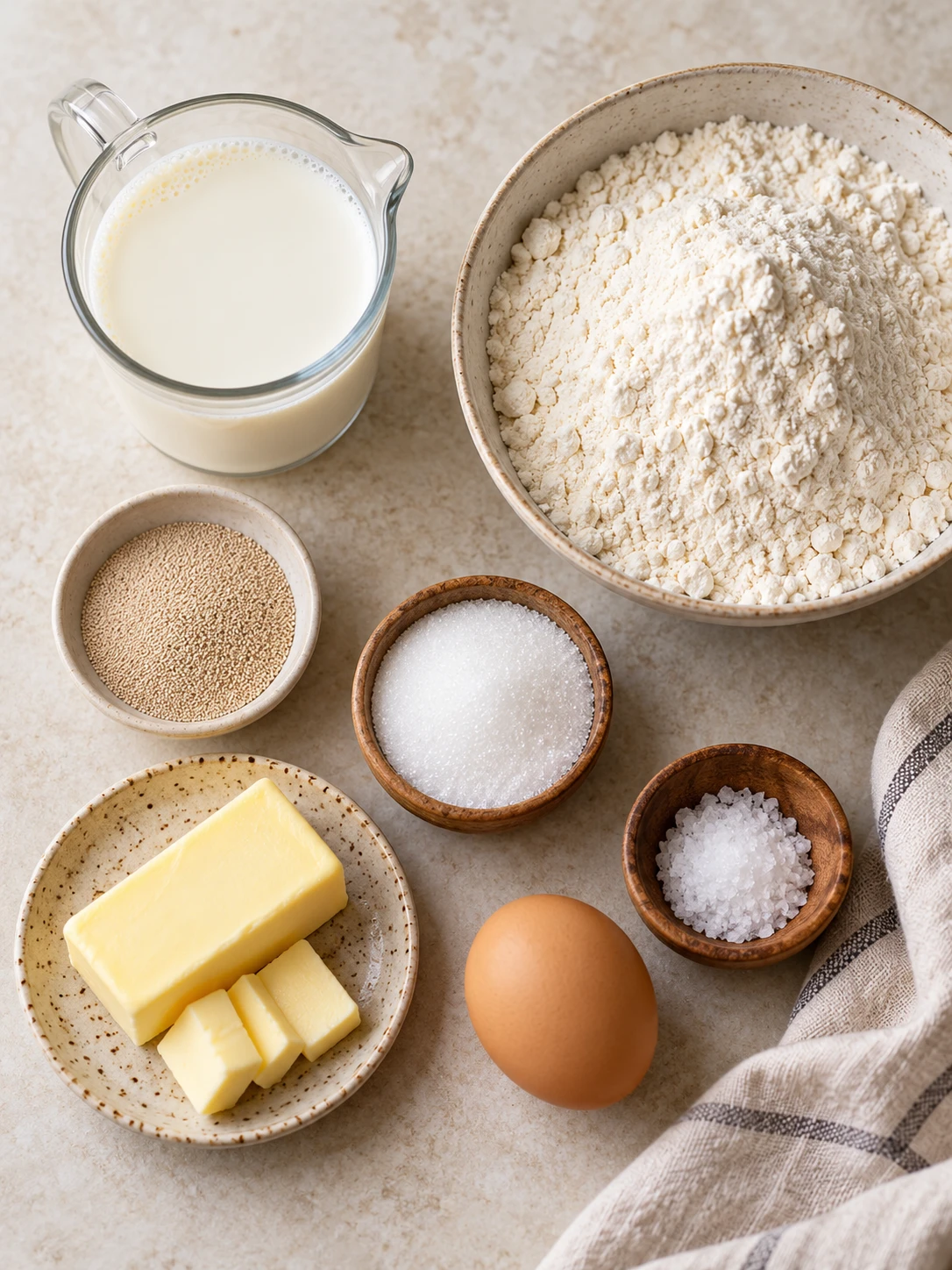
To make these delicious dinner rolls, you’ll need the following ingredients:
- 1 cup warm whole milk (110°F)
- 2 1/4 teaspoons active dry yeast
- 3 tablespoons granulated sugar
- 4 tablespoons unsalted butter, melted and slightly cooled
- 1 large egg, room temperature
- 3 1/2 cups all-purpose flour
- 1 1/2 teaspoons fine sea salt
- 2 tablespoons unsalted butter, melted (for brushing)
You can substitute all-purpose flour with bread flour for a slightly chewier texture. Additionally, you can use a combination of all-purpose and whole wheat flour for a nuttier flavor.
Step-by-Step Instructions
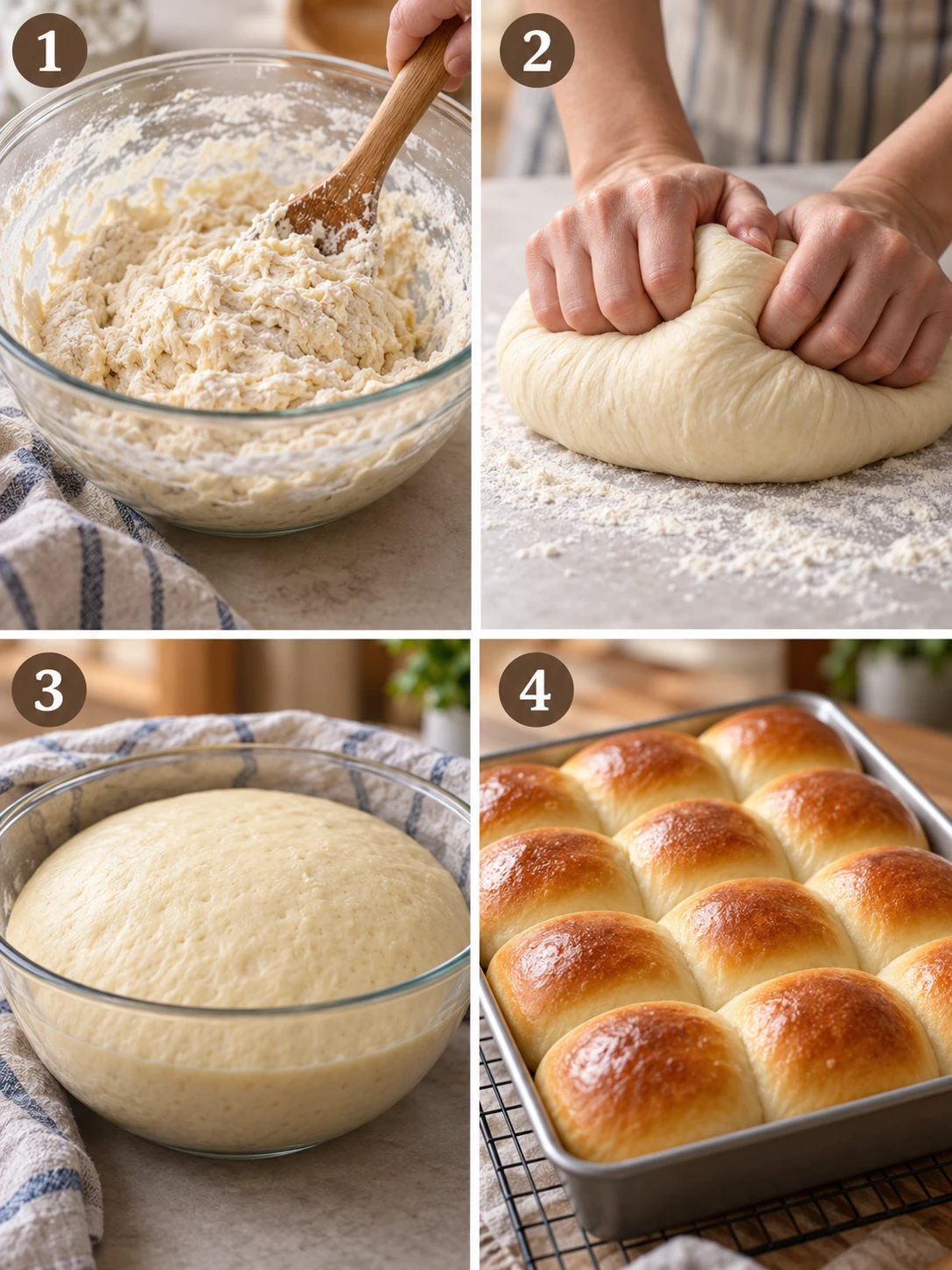
1. In the bowl of a stand mixer, whisk together the warm milk, yeast, and 1 tablespoon of the sugar. Let the mixture sit for 5 to 10 minutes until it becomes foamy.
2. Add the remaining sugar, 4 tablespoons of melted butter, and the egg to the yeast mixture. Whisk until well combined.
3. Attach the dough hook to the mixer. Add 2 cups of the flour and the salt. Mix on low speed until a shaggy dough forms.
4. Gradually add the remaining 1.5 cups of flour. Increase the speed to medium-low and knead for 5 to 7 minutes. The dough should be smooth, elastic, and pull away from the sides of the bowl while remaining slightly tacky.
5. Transfer the dough to a lightly greased bowl. Cover with a damp cloth or plastic wrap and let rise in a warm, draft-free spot for 60 to 90 minutes, or until doubled in size.
6. Gently punch down the risen dough to release air. Turn it out onto a lightly floured surface and divide into 12 equal-sized pieces (about 70-75g each).
7. Shape each piece into a tight, smooth ball by tucking the edges under. Place the rolls into a greased 9×13 inch baking pan in 3 rows of 4.
8. Cover the pan and let the rolls rise for a second time for 30 to 45 minutes until they look puffy and are touching each other.
9. While the rolls rise, preheat your oven to 350°F (177°C).
10. Bake the rolls for 18 to 22 minutes, or until the tops are golden brown and the internal temperature reaches 190°F (88°C) on an instant-read thermometer.
11. Remove from the oven and immediately brush the tops with the remaining 2 tablespoons of melted butter. Allow to cool slightly before serving.
For more delicious dinner ideas, check out our Sheet Pan Dinners or Breakfast for Dinner Ideas collections.
Expert Chef Tips & Troubleshooting
To ensure your dinner rolls turn out soft and delicious, make sure to:
- Use high-quality ingredients, including fresh yeast and real butter.
- Don’t overmix the dough, as this can lead to tough rolls.
- Let the dough rise for the full recommended time to allow for proper fermentation.
- Brush the rolls with melted butter immediately after baking to create a golden-brown crust.
If you’re looking for high-protein dinner ideas, consider adding some protein-rich ingredients to your dinner rolls, such as nuts or seeds. Check out our High Protein Dinner Ideas collection for more inspiration.
Storage, Make-Ahead & Reheating
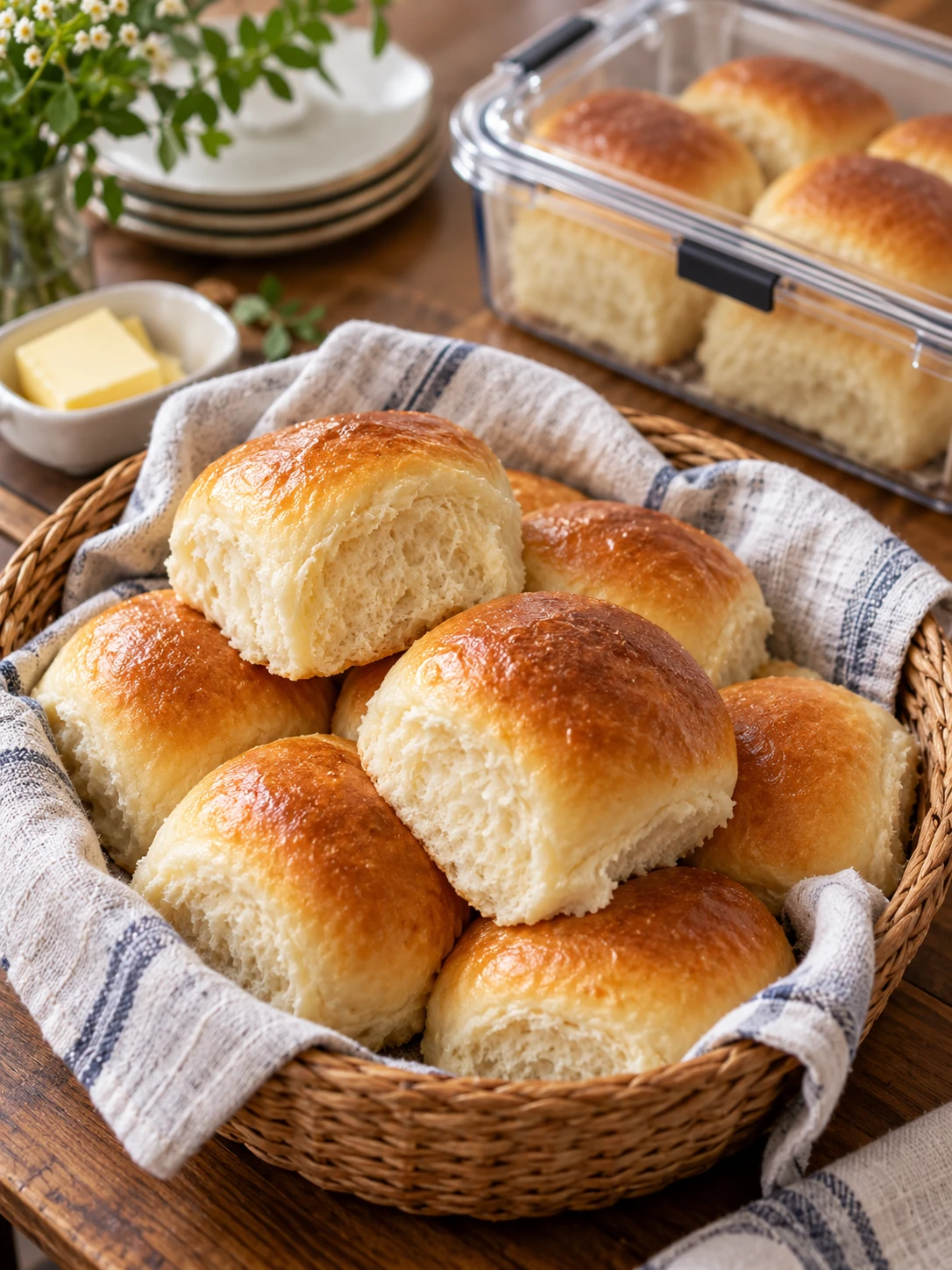
To store your dinner rolls, place them in an airtight container at room temperature for up to 3 days. You can also freeze the rolls for up to 3 months. To freeze, place the rolls in a single layer on a baking sheet and put it in the freezer. Once frozen, transfer the rolls to a freezer-safe bag or container. To reheat, thaw the rolls at room temperature or reheat them in the oven at 350°F (177°C) for 5-10 minutes.
For safe storage and reheating, review these food safety guidelines for leftovers before refrigerating the dish. Additionally, check out these freezing and food safety guidelines for more information on how to safely freeze and reheat your dinner rolls.
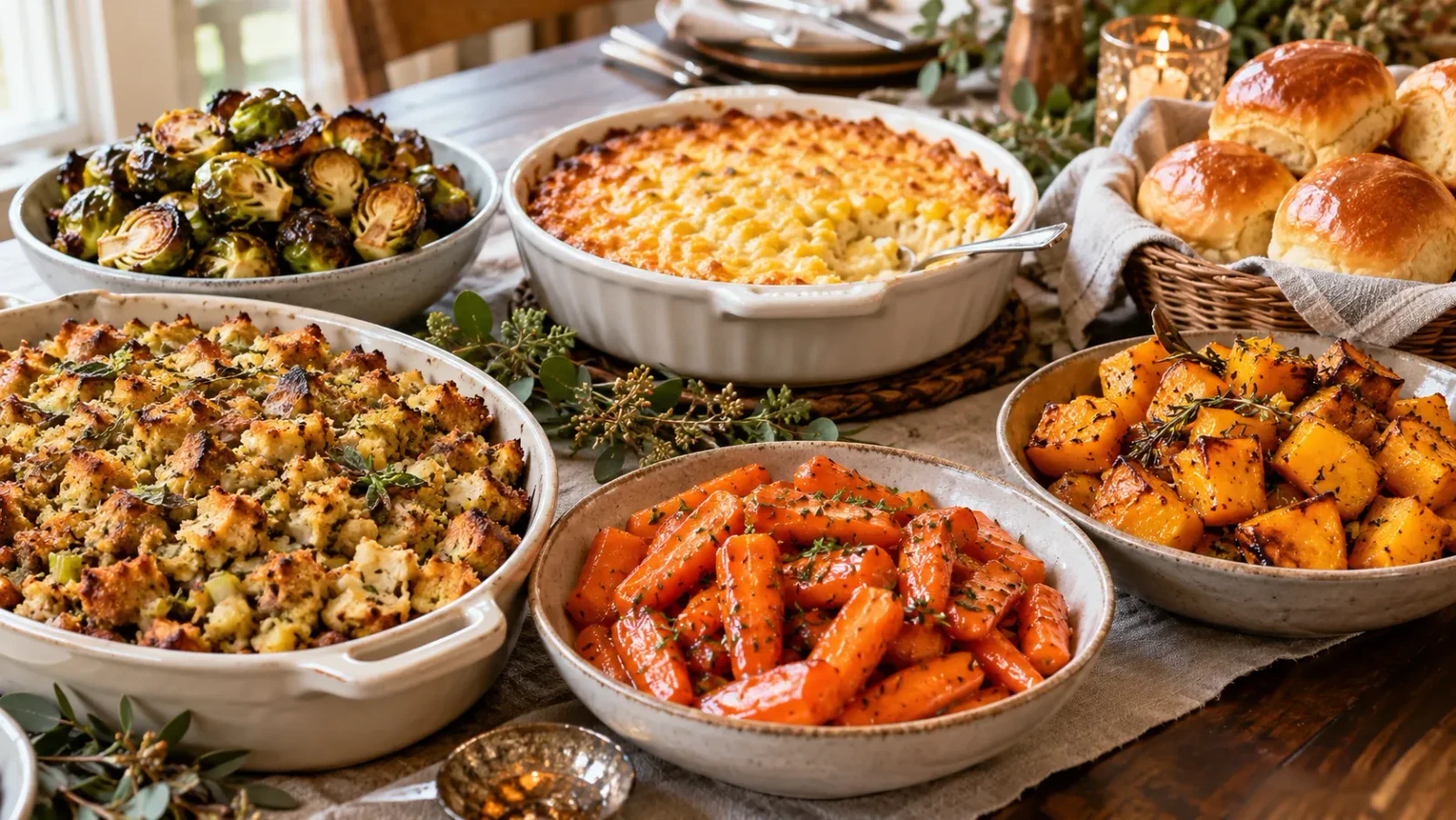
Serve these buttery rolls alongside our Thanksgiving dinner sides for a complete holiday table.
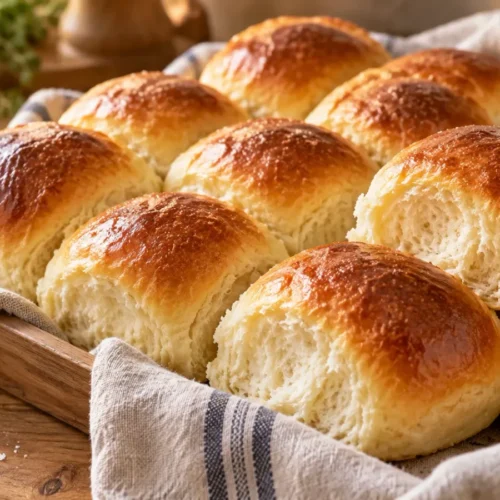
Dinner Rolls Recipe

Equipment
- Stand mixer
- Dough hook attachment
- 9×13-inch baking pan
Ingredients
Milk
- 1 cup whole milk
Yeast
- 2 1/4 teaspoons active dry yeast
Sugar
- 3 tablespoons granulated sugar
Butter
- 4 tablespoons unsalted butter melted and slightly cooled
Egg
- 1 large egg room temperature
Flour
- 3 1/2 cups all-purpose flour
Salt
- 1 1/2 teaspoons fine sea salt
Instructions
- In the bowl of a stand mixer, whisk together the warm milk, yeast, and 1 tablespoon of the sugar. Let the mixture sit for 5 to 10 minutes until it becomes foamy.
- Add the remaining sugar, 4 tablespoons of melted butter, and the egg to the yeast mixture. Whisk until well combined.
- Attach the dough hook to the mixer. Add 2 cups of the flour and the salt. Mix on low speed until a shaggy dough forms.
- Gradually add the remaining 1.5 cups of flour. Increase the speed to medium-low and knead for 5 to 7 minutes. The dough should be smooth, elastic, and pull away from the sides of the bowl while remaining slightly tacky.
- Transfer the dough to a lightly greased bowl. Cover with a damp cloth or plastic wrap and let rise in a warm, draft-free spot for 60 to 90 minutes, or until doubled in size.
- Gently punch down the risen dough to release air. Turn it out onto a lightly floured surface and divide into 12 equal-sized pieces (about 70-75g each).
- Shape each piece into a tight, smooth ball by tucking the edges under. Place the rolls into a greased 9×13 inch baking pan in 3 rows of 4.
- Cover the pan and let the rolls rise for a second time for 30 to 45 minutes until they look puffy and are touching each other.
- While the rolls rise, preheat your oven to 350°F (177°C).
- Bake the rolls for 18 to 22 minutes, or until the tops are golden brown and the internal temperature reaches 190°F (88°C) on an instant-read thermometer.
- Remove from the oven and immediately brush the tops with the remaining 2 tablespoons of melted butter. Allow to cool slightly before serving.
Notes
- Calories: 215
- Protein: 5g
- Carbohydrates: 32g
- Fat: 7g
- Saturated fat: 4g
- Cholesterol: 20mg
- Sodium: 200mg
- Potassium: 50mg
- Fiber: 1g
- Sugar: 4g
Frequently Asked Questions
Can I make these dinner rolls ahead of time and freeze them?
Yes, you can freeze these rolls either as unbaked dough balls or after they are fully baked. For the best fresh-baked taste, freeze the shaped dough after the first rise, then let them thaw and rise again before baking. Alternatively, you can fully bake them, allow them to cool completely, and store them in an airtight bag in the freezer for up to three months.
How do I ensure my dinner rolls stay soft for several days?
To keep rolls pillowy for days, consider using the “Tangzhong” method, which involves cooking a small portion of the flour and milk into a thick paste before mixing the dough. This technique locks in moisture and prevents the bread from staling quickly. Additionally, brushing the tops with melted butter immediately after baking creates a barrier that keeps the crust soft and tender.
How can I tell exactly when the rolls are finished baking?
While a golden-brown crust is a helpful visual cue, the most precise method is to use an instant-read thermometer to check the internal temperature. For enriched doughs like these, aim for an internal temperature of 190°F (88°C) to ensure the center is fully cooked without becoming dry. If you don’t have a thermometer, a properly baked roll should sound hollow when lightly tapped on the bottom.
Should I use all-purpose flour or bread flour for this recipe?
Both flours work well, but they will yield slightly different results. All-purpose flour produces a lighter, more tender roll that is easy to pull apart, which is ideal for a classic “Grandma-style” texture. Bread flour has a higher protein content, which creates more gluten and results in a roll with a bit more chew and structure.