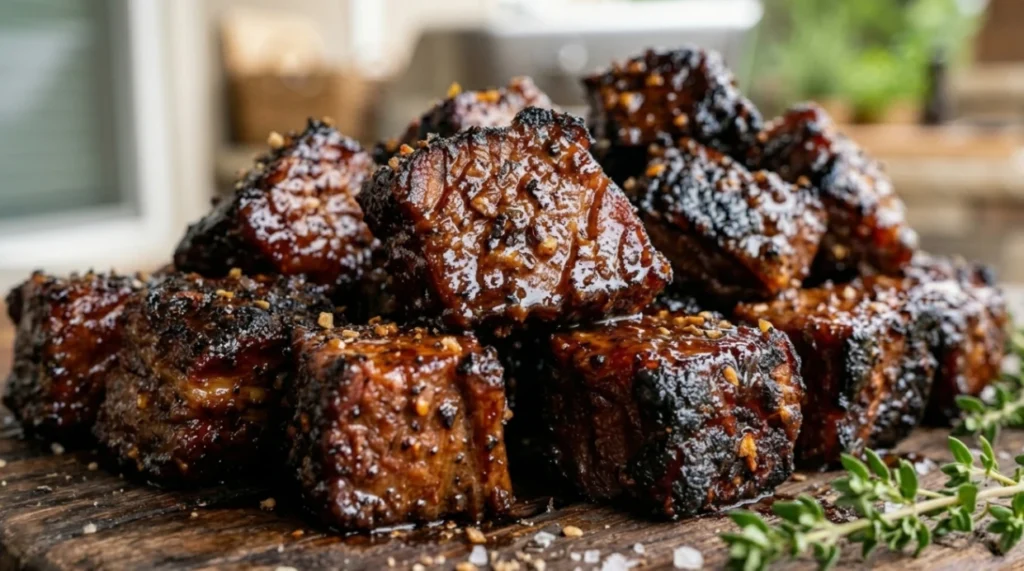
If there is one dish that reigns supreme in the world of barbecue, it is the legendary burnt end. Often affectionately referred to as “meat candy,” these sticky, caramelized, and ultra-tender cubes of beef are the absolute highlight of any cookout. Mastering a burnt ends recipe is a rite of passage for backyard pitmasters and home cooks alike, transforming a tough cut of meat into a melt-in-your-mouth delicacy.
Table of Contents
Whether you are hosting a summer barbecue or looking for a hearty weekend dinner, creating the perfect batch of burnt ends requires patience, the right technique, and a phenomenal balance of sweet and savory flavors. The magic happens during the slow cooking process, where the fat renders down, and the sugars caramelize into a beautiful, sticky glaze.
In this comprehensive guide, we will walk you through an easy burnt ends recipe that guarantees spectacular results every single time. From selecting the ideal cut of beef to achieving that coveted sticky bark, you will learn everything you need to know to make the best burnt ends you have ever tasted.
Choosing the Best Cut for Your BBQ Burnt Ends Recipe
Traditionally, a true brisket burnt ends recipe utilizes the “point” of a beef brisket. The point is the fattier, thicker end of the brisket, which contains the perfect meat-to-fat ratio necessary to survive a long smoking process without drying out. As the fat renders, it bathes the meat in moisture, resulting in a rich, tender bite.
However, a whole packer brisket can be expensive and intimidating for beginners. This is where the highly popular poor man’s burnt ends recipe comes into play. By substituting the brisket point with a well-marbled beef chuck roast, you can achieve nearly identical, mouthwatering results in a fraction of the time and cost. Chuck roast boasts excellent marbling and breaks down beautifully when cooked low and slow, making it the perfect accessible alternative.
Ingredients
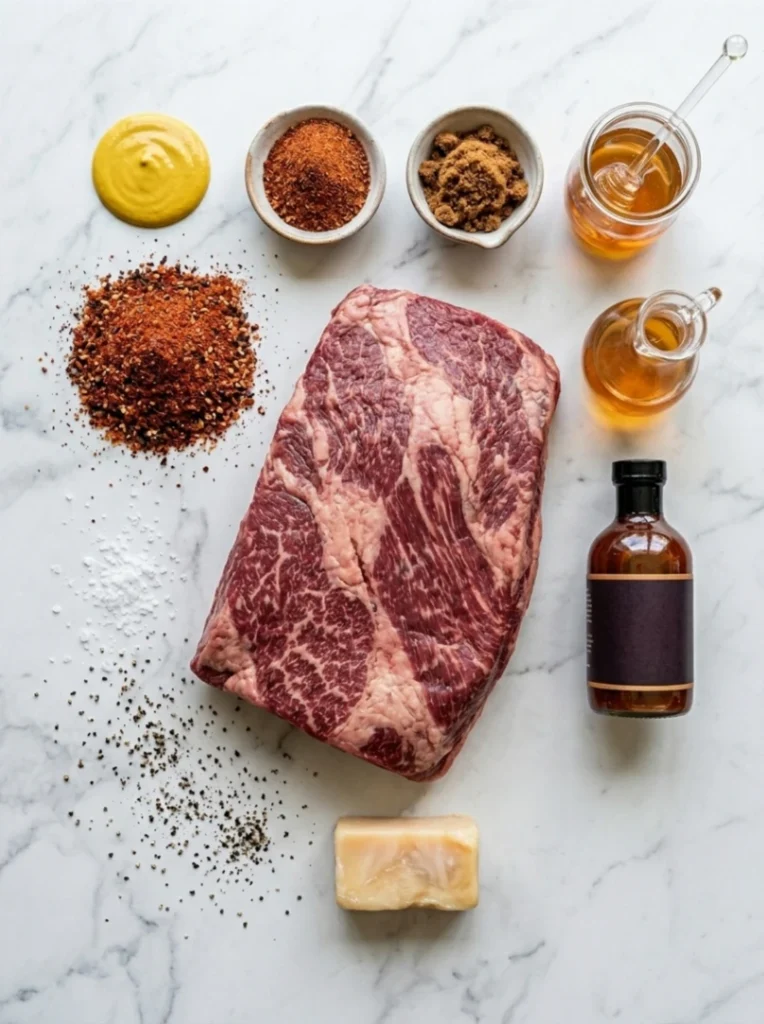
- 1 Beef Brisket Point or Chuck Roast (3 to 4 lbs)
- 2 tablespoons yellow mustard (binder)
- 1/4 cup BBQ rub
- 1 cup sweet BBQ sauce
- 1/4 cup brown sugar
- 2 tablespoons local honey
- 1/4 cup apple cider vinegar (for spritzing)
- 2 tablespoons beef tallow (optional)
Instructions
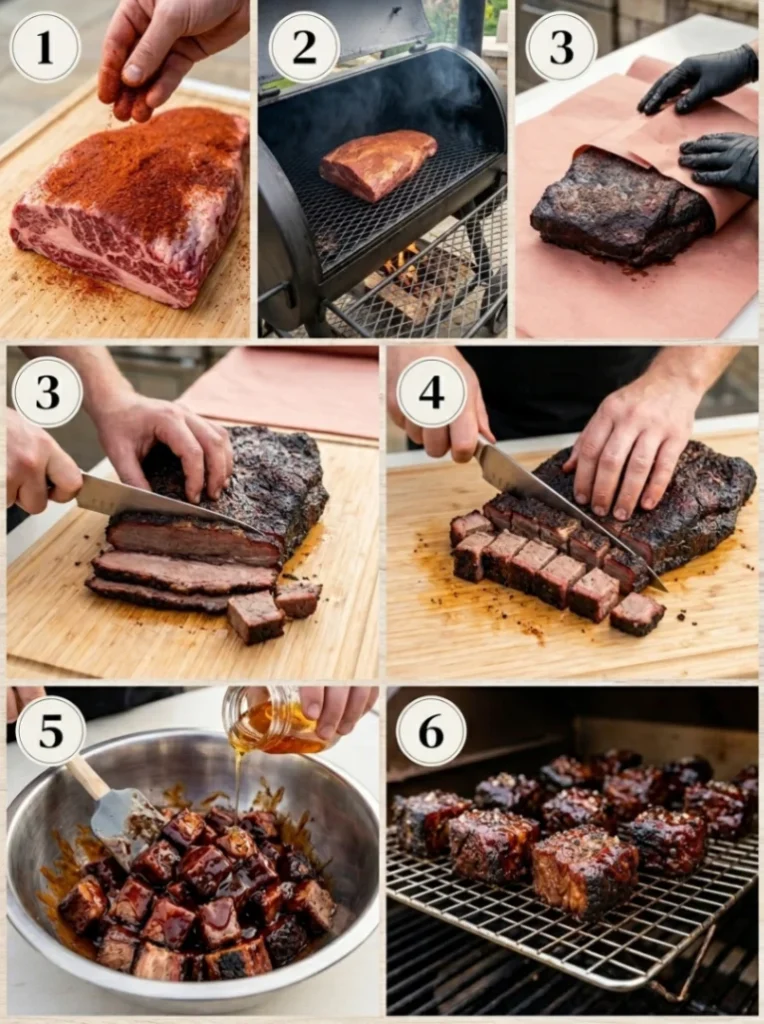
- Preheat your smoker to 250 degrees Fahrenheit using hickory or oak wood. (For an indoor burnt ends recipe oven method, preheat your oven to 250 degrees Fahrenheit).
- Trim any hard, waxy excess fat from the brisket point or chuck roast, as it will not render. Leave the soft intramuscular fat intact to keep the meat moist.
- Apply a light coat of yellow mustard over the entire cut of meat to act as a binder.
- Generously apply your favorite BBQ rub to all sides of the meat.
- Place the meat on the smoker (or oven wire rack) and cook until the internal temperature reaches 165 degrees Fahrenheit and a deep bark has formed. Spritz with apple cider vinegar occasionally if it looks dry.
- Remove the meat and wrap it tightly in pink butcher paper or aluminum foil, optionally adding beef tallow for extra moisture. Return to the heat.
- Continue cooking until the internal temperature reaches 195 to 205 degrees Fahrenheit and the meat probes tender.
- Remove from the heat and let the wrapped meat rest for 30 to 45 minutes.
- Unwrap the meat and slice it into 1-inch cubes.
- Place the meat cubes into a disposable aluminum foil pan. Toss thoroughly with BBQ sauce, brown sugar, and honey until well coated.
- Return the uncovered pan to the smoker or oven for another 1 to 2 hours until the sauce becomes sticky and caramelized into meat candy.
- Remove from the heat, let cool slightly, and serve immediately.
Essential BBQ Equipment
Before diving into the prep, having the right tools on hand will make this process seamless. For this recipe, you will need:
- Probe Meat Thermometer: Crucial for tracking internal temperatures (165°F for wrapping, 195°F+ for tenderness).
- Pink Butcher Paper or Aluminum Foil: Essential for wrapping the meat to push through the “stall” and retain moisture.
- Disposable Aluminum Pans: Perfect for tossing the cubed beef in your sticky glaze and returning it to the heat for caramelization.
How to Trim Your Beef (Mini-Guide)
Trimming a large cut of beef can feel intimidating, but it is a vital step for the perfect BBQ burnt ends recipe. The goal is not to remove all the fat, but rather to differentiate between the “good” and “bad” fat.
- Hard, Waxy Fat: Identify any thick, hard, or waxy chunks of fat on the exterior. This type of fat will not render down during the cooking process and will leave a chewy, unpleasant bite. Trim this away entirely.
- Soft, Intramuscular Fat: Leave the soft, web-like fat (marbling) inside the meat alone. This is what melts during the low-and-slow cook, keeping your beef incredibly moist and flavorful.
The Secret to Perfect Bark and Caramelization
The hallmark of the best burnt ends recipe is the bark—the dark, flavorful crust that forms on the outside of the meat. To build this crust, we use yellow mustard as a binder for our dry rub. We love using mustard because it helps the spices adhere beautifully to the beef to build an incredible crust, and it’s a great trick for those reading up on the health benefits of mustard as a low-calorie binder.
Once the meat is cooked and cubed, it gets tossed in a mixture of BBQ sauce, brown sugar, and local honey. This combination creates the sticky “meat candy” exterior. While we embrace the sweet, sticky glaze of traditional BBQ, you can easily adjust the sweetness based on your preference for the glycemic impact of honey and refined sugars.
Keto & Sugar-Free Adaptation
If you are looking to enjoy this decadent treat without the sugar crash, it is incredibly easy to adapt this into a keto-friendly recipe! Simply swap the traditional brown sugar for a zero-calorie brown monk fruit sweetener, replace the local honey with a keto-friendly syrup, and use your favorite sugar-free BBQ sauce. You will still achieve that gorgeous, sticky caramelization while keeping the carb count low.
Cooking Methods: Smoker vs. Oven
While traditionalists insist on using a smoker fueled by hickory or oak wood, you can absolutely adapt this into a burnt ends recipe oven method. If you are cooking indoors, simply bake the seasoned beef on a wire rack over a baking sheet at 250 degrees Fahrenheit. Follow the exact same temperature milestones for wrapping and cubing as you would on a smoker. You can even add a few drops of liquid smoke to your mustard binder to mimic that authentic outdoor flavor!
Building a Balanced BBQ Menu
When planning your ultimate cookout, these burnt ends pair beautifully with a variety of dishes. For a massive feast, consider serving them as a decadent appetizer before moving on to a leaner main course, like our savory Venison Burgers Recipe. After enjoying such rich, savory meats, a light and tangy dessert made from our Instant Pot Yogurt Recipe provides the perfect palate cleanser.
While indulging in this incredible BBQ treat is one of life’s great joys, it is always smart to balance your feasts with lighter, vegetable-forward sides—especially if you are keeping an eye on saturated fat and red meat consumption guidelines or the health impact of smoked and charred meats. Enjoying these rich foods in moderation allows you to savor every single bite.
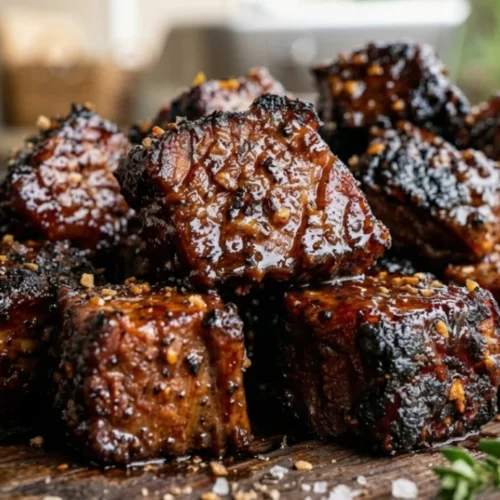
The Ultimate BBQ Burnt Ends Recipe
Ingredients
- 1 Beef Brisket Point or Chuck Roast 3 to 4 lbs
- 2 tablespoons yellow mustard binder
- 1/4 cup BBQ rub
- 1 cup sweet BBQ sauce
- 1/4 cup brown sugar
- 2 tablespoons local honey
- 1/4 cup apple cider vinegar for spritzing
- 2 tablespoons beef tallow optional
Instructions
- Preheat your smoker to 250 degrees Fahrenheit using hickory or oak wood.
- Trim any hard, excess fat from the brisket point or chuck roast.
- Apply a light coat of yellow mustard over the entire cut of meat to act as a binder.
- Generously apply your favorite BBQ rub to all sides of the meat.
- Place the meat on the smoker and cook until the internal temperature reaches 165 degrees Fahrenheit and a deep bark has formed. Spritz with apple cider vinegar occasionally if it looks dry.
- Remove the meat and wrap it tightly in pink butcher paper or aluminum foil, optionally adding beef tallow for extra moisture. Return to the smoker.
- Continue smoking until the internal temperature reaches 195 to 205 degrees Fahrenheit and the meat probes tender.
- Remove from the smoker and let the wrapped meat rest for 30 to 45 minutes.
- Unwrap the meat and slice it into 1-inch cubes.
- Place the meat cubes into a disposable aluminum foil pan. Toss thoroughly with BBQ sauce, brown sugar, and honey until well coated.
- Return the uncovered pan to the smoker for another 1 to 2 hours until the sauce becomes sticky and caramelized into meat candy.
- Remove from the smoker, let cool slightly, and serve immediately.
Notes
- Serving Size: 4 oz.
- Calories: 380.
- Total Fat: 22g.
- Saturated Fat: 9g.
- Cholesterol: 90mg.
- Sodium: 520mg.
- Total Carbohydrates: 20g.
- Sugars: 18g.
- Protein: 24g.
Frequently Asked Questions
What is the best cut of meat to use for making burnt ends?
The traditional choice is the point half of a beef brisket due to its high fat content. However, a beef chuck roast is a fantastic, budget-friendly alternative that yields incredibly tender results.
Can I make burnt ends in the oven if I don’t have a smoker?
Yes! A burnt ends recipe oven method works perfectly. Bake the meat at 250 degrees Fahrenheit on a wire rack, wrap it in foil when it reaches 165 degrees, and finish the cubing and glazing steps in the oven just as you would on a smoker.
Why are my burnt ends tough, and how can I troubleshoot this?
Toughness usually means the meat was undercooked and the connective tissues did not have enough time to break down. Ensure the internal temperature reaches 195 to 205 degrees Fahrenheit before cubing, and let the meat rest properly so the juices redistribute.
What is the best way to store and reheat leftover burnt ends without drying them out?
Store leftovers in an airtight container in the refrigerator for up to 4 days. To reheat, place them in a covered skillet over low heat with a splash of beef broth or extra BBQ sauce to restore moisture and prevent the meat from drying out.