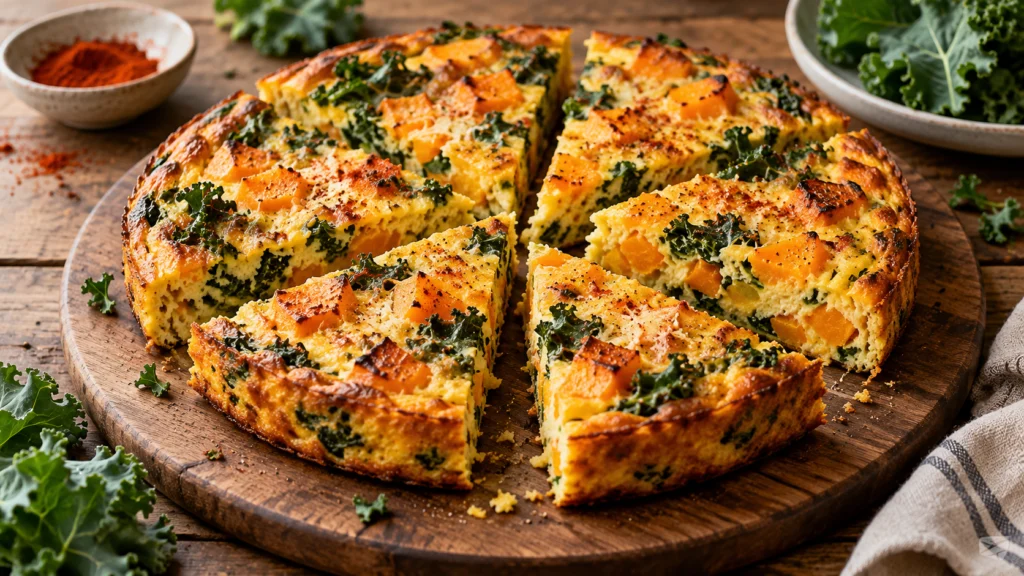
The butternut squash frittata is a delicious and versatile dish perfect for any time of day. This recipe combines the natural sweetness of butternut squash with the savory flavor of eggs, herbs, and cheese, making it an excellent choice for breakfast, brunch, or even dinner. In this article, we will explore the world of butternut squash frittatas, providing you with a comprehensive guide on how to make this mouthwatering dish.
Table of Contents
Why You’ll Love This Recipe
- It’s a great way to use up leftover butternut squash.
- The combination of eggs, cheese, and herbs creates a rich and satisfying flavor profile.
- This recipe is perfect for meal prep, as it can be made ahead of time and reheated when needed.
- The frittata is highly customizable, allowing you to add your favorite herbs and spices to give it a unique flavor.
- It’s a great option for a crowd, as it can be easily scaled up or down depending on the number of guests.
Key Ingredients & Substitutions
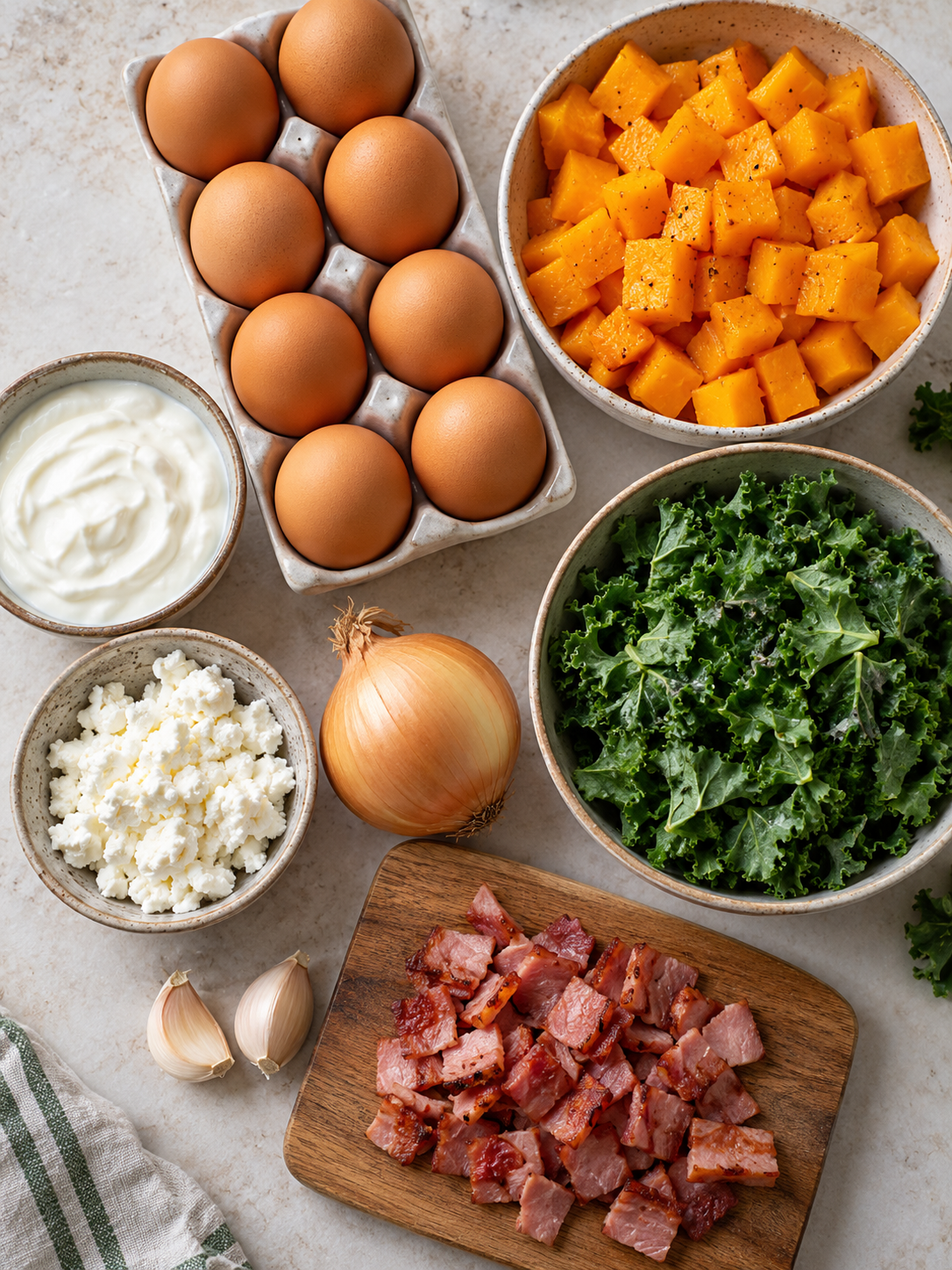
To make a delicious butternut squash frittata, you will need the following ingredients:
- 8 large eggs
- 2 cups cooked, cubed butternut squash
- 2 cups kale, chopped
- 1/2 cup plain yogurt
- 4 oz goat cheese, crumbled
- 1 medium onion, diced
- 2 cloves garlic, minced
- 4 slices turkey bacon, diced
- 1 teaspoon salt
- 1/2 teaspoon black pepper
- 1/4 teaspoon paprika
When it comes to substitutions, you can replace the turkey bacon with beef bacon or omit it altogether for a vegetarian option. Additionally, you can use different types of cheese, such as feta or parmesan, to give the dish a unique flavor. For a dairy-free option, you can substitute the yogurt with a non-dairy alternative and use a vegan cheese.
Step-by-Step Instructions
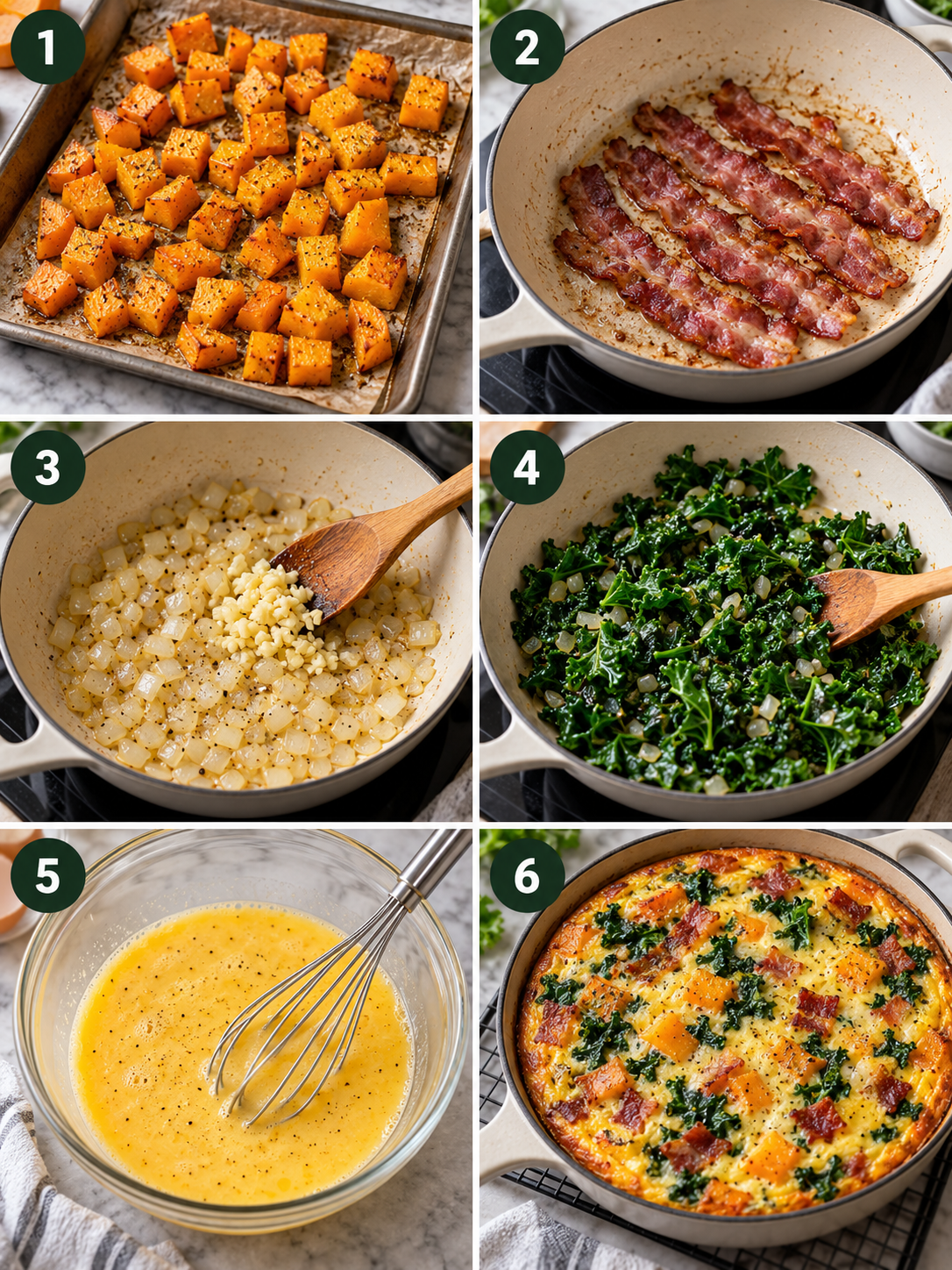
1. Preheat the oven to 375°F.
2. Roast the butternut squash in the oven for 30-40 minutes, or until tender. Let it cool, then cube it.
3. In a large skillet, cook the diced turkey bacon over medium heat until crispy. Remove the bacon from the skillet and set it aside.
4. In the same skillet, add the diced onion and cook until softened, about 5 minutes. Add the minced garlic and cook for an additional minute.
5. Add the chopped kale to the skillet and cook until wilted, about 2-3 minutes.
6. In a large bowl, whisk together the eggs, plain yogurt, salt, black pepper, and paprika.
7. Add the cooked, cubed butternut squash, crumbled goat cheese, and cooked bacon to the bowl with the egg mixture. Stir until well combined.
8. Add the cooked onion and kale mixture to the bowl and stir until well combined.
9. Pour the egg mixture into a 10-inch cast-iron skillet greased with cooking spray.
10. Cook the frittata over medium heat on the stovetop for 5-7 minutes, or until the edges start to set.
11. Transfer the skillet to the preheated oven and bake for 15-20 minutes, or until the frittata is almost set and the edges are golden brown.
12. Remove the skillet from the oven and let it cool for a few minutes.
13. Slice the frittata into 6 wedges and serve hot.
For more delicious recipe ideas, be sure to check out our Tortellini Salad and Turkey Sandwich Recipe.
Expert Chef Tips & Troubleshooting
To ensure that your frittata turns out perfectly, make sure to cook the butternut squash until it’s tender and let it cool before adding it to the egg mixture. Additionally, don’t overmix the egg mixture, as this can result in a dense and rubbery texture.
When it comes to food safety, it’s essential to cook the frittata to the recommended internal temperature. For more information on safe minimum internal temperatures, follow official guidance on safe minimum internal temperatures guidelines. It’s also crucial to follow proper food safety guidelines for leftovers to prevent foodborne illness.
Storage, Make-Ahead & Reheating
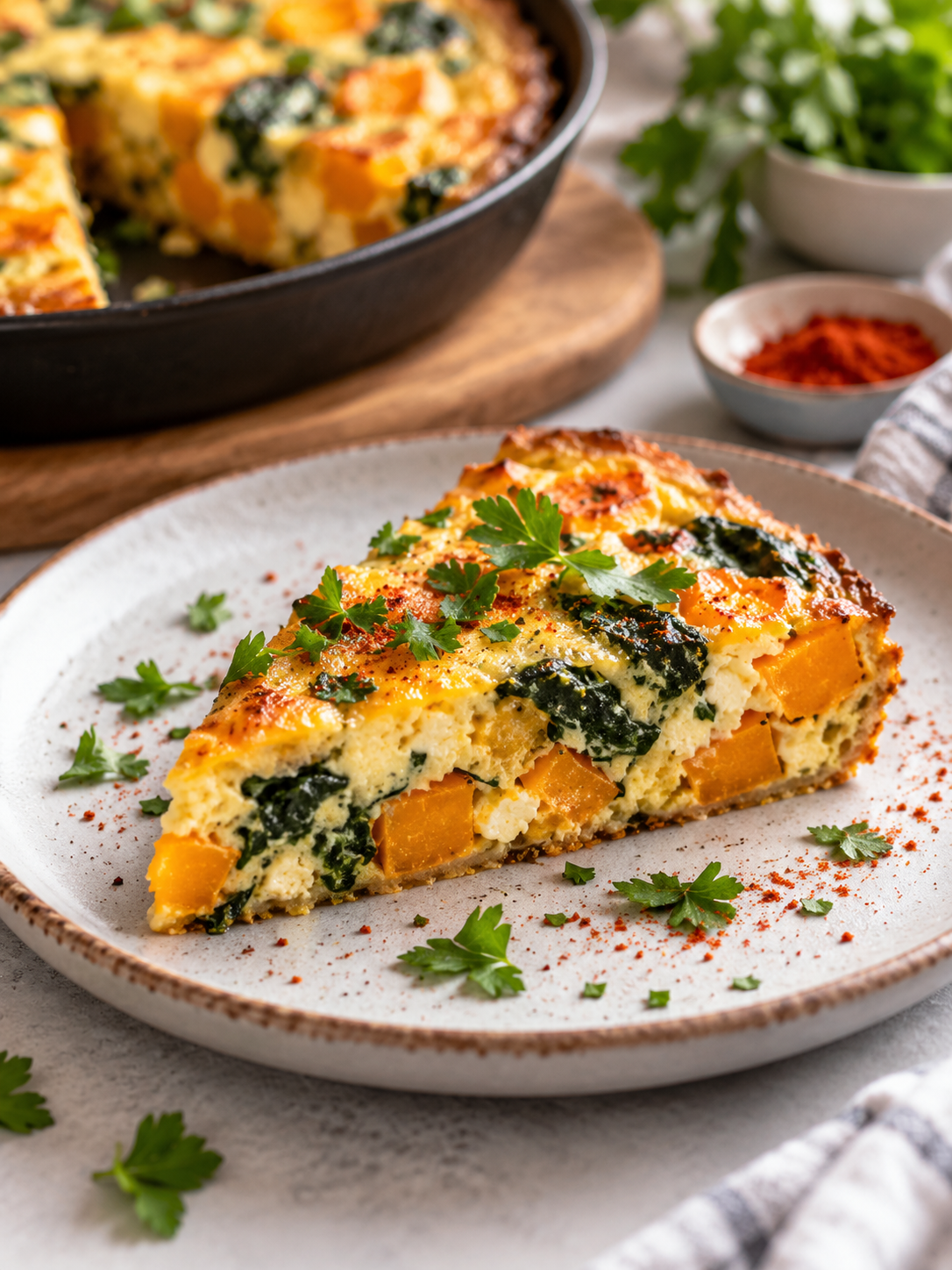
This butternut squash frittata is perfect for meal prep, as it can be made ahead of time and reheated when needed. To store, let the frittata cool completely, then wrap it in plastic wrap or aluminum foil and refrigerate for up to 3 days. To reheat, simply slice the frittata and warm it in the microwave or oven until heated through.
You can also freeze the frittata for up to 2 months. To freeze, let the frittata cool completely, then wrap it in plastic wrap or aluminum foil and place it in a freezer-safe bag. To reheat, thaw the frittata overnight in the refrigerator, then reheat it in the microwave or oven until heated through.
Serving Suggestions
This butternut squash frittata is highly versatile and can be served in a variety of ways. Here are some serving suggestions:
- Serve it with a side of toast or hash browns for a filling breakfast.
- Add it to a salad or wrap for a quick and easy lunch.
- Serve it as a main dish for dinner, accompanied by a side of roasted vegetables or a green salad.
- Use it as a base for a breakfast burrito or wrap.
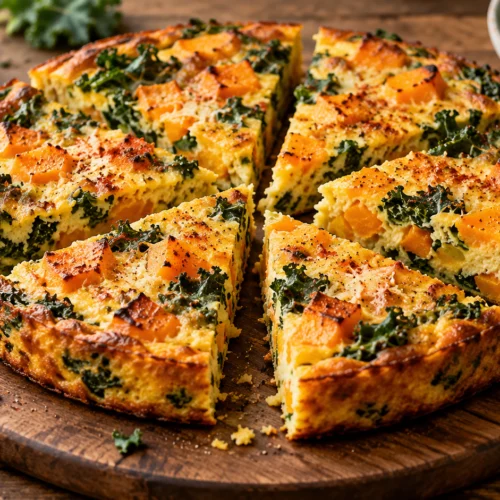
Butternut Squash Frittata

Equipment
- 10-inch cast-iron skillet
- Oven
Ingredients
Eggs
- 8 large eggs
Butternut Squash
- 2 cups cooked, cubed butternut squash
Kale
- 2 cups chopped kale
Yogurt
- 1/2 cup plain yogurt
Cheese
- 4 oz crumbled goat cheese
Onion
- 1 medium diced onion
Garlic
- 2 cloves minced garlic
Turkey Bacon
- 4 slices diced turkey bacon
Spices
- 1 teaspoon salt
- 1/2 teaspoon black pepper
- 1/4 teaspoon paprika
Instructions
- Preheat the oven to 375°F.
- Roast the butternut squash in the oven for 30-40 minutes, or until tender. Let it cool, then cube it.
- In a large skillet, cook the diced turkey bacon over medium heat until crispy. Remove the bacon from the skillet and set it aside.
- In the same skillet, add the diced onion and cook until softened, about 5 minutes. Add the minced garlic and cook for an additional minute.
- Add the chopped kale to the skillet and cook until wilted, about 2-3 minutes.
- In a large bowl, whisk together the eggs, plain yogurt, salt, black pepper, and paprika.
- Add the cooked, cubed butternut squash, crumbled goat cheese, and cooked bacon to the bowl with the egg mixture. Stir until well combined.
- Add the cooked onion and kale mixture to the bowl and stir until well combined.
- Pour the egg mixture into a 10-inch cast-iron skillet greased with cooking spray.
- Cook the frittata over medium heat on the stovetop for 5-7 minutes, or until the edges start to set.
- Transfer the skillet to the preheated oven and bake for 15-20 minutes, or until the frittata is almost set and the edges are golden brown.
- Remove the skillet from the oven and let it cool for a few minutes.
- Slice the frittata into 6 wedges and serve hot.
Notes
- Calories: 320
- Protein: 20g
- Carbohydrates: 20g
- Fat: 18g
- Saturated fat: 8g
- Cholesterol: 180mg
- Sodium: 400mg
- Potassium: 400mg
- Fiber: 2g
- Sugar: 4g
Frequently Asked Questions
Can I use raw butternut squash directly in the frittata recipe?
No, it’s essential to roast or sauté the butternut squash before adding it to the egg mixture. This step ensures the squash is cooked through and tender, preventing an undercooked texture in the final dish. Roasting at 450°F can quickly char the squash, while sautéing is another option for pre-cooking.
How do I achieve the perfect texture for my butternut squash frittata?
To ensure your frittata isn’t rubbery, maintain an “egg-to-dairy ratio” of about 1/2 cup of dairy (such as yogurt, labne, or heavy cream) per 8-10 eggs. This ratio helps achieve a fluffy texture. Also, look for visual cues like a “slight jiggle” in the center and “puffy/golden edges” to determine doneness.
What are some versatile serving options for butternut squash frittata?
This dish is highly versatile and can be served as “Breakfast for Dinner” or as a centerpiece for a “Weekend Brunch.” It’s also a great option for meal prep, as it reheats beautifully. Consider serving it with a side of toast, salad, or fresh fruit for a well-rounded meal.
Can I make butternut squash frittata in alternative cooking vessels like an Air Fryer or Instant Pot?
While traditional recipes often use a 10-inch cast-iron skillet, there’s a growing interest in using modern appliances like Air Fryers or Instant Pots for such dishes. Experimenting with these methods could yield interesting results and provide a unique twist on the classic recipe, though specific instructions and cooking times may vary.