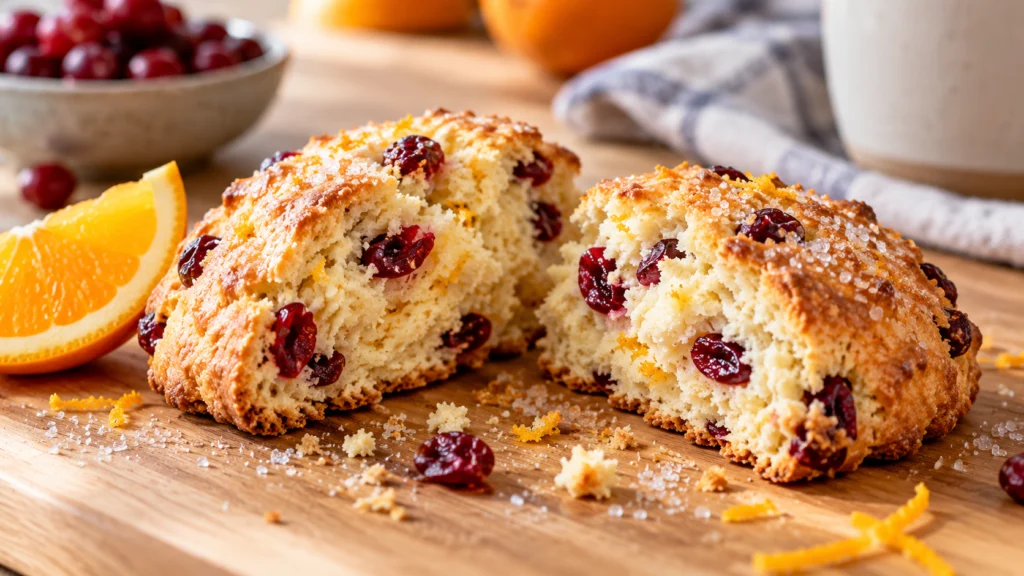
Cranberry orange scones offer a balanced contrast of bright citrus and tangy fruit set against a rich, buttery pastry. Scones are often misunderstood as dry or crumbly, but when mixed gently and kept cold during preparation, they bake into pastries with crisp outer edges and a soft, tender crumb. Freshly grated orange zest releases aromatic citrus oils throughout the dough, while plump dried cranberries provide bursts of tart chewiness in every bite.
Whether you are preparing a weekend brunch, setting out an afternoon tea, or baking a batch ahead of time for weekday mornings, these bakery-style scones come together in just thirty minutes of active effort. This guide breaks down the essential baking science, ingredient selections, and handling techniques required to achieve light, flaky layers on your kitchen counter.
Table of Contents
Why You’ll Love This Recipe
- Reliable Tender Texture: Incorporating cold butter into the dry flour creates small pockets of steam in the oven, producing a soft center rather than a dense, heavy pastry.
- Balanced Flavor Profile: Sweet granulated sugar and rich half-and-half soften the sharp bite of dried cranberries and freshly grated orange zest.
- Straightforward Technique: The dough comes together in a single bowl using basic kitchen utensils without requiring an electric mixer or specialized pastry tools.
- Make-Ahead Flexibility: You can shape and freeze the unbaked wedges ahead of time, allowing you to bake individual scones fresh on demand.
Key Ingredients & Substitutions
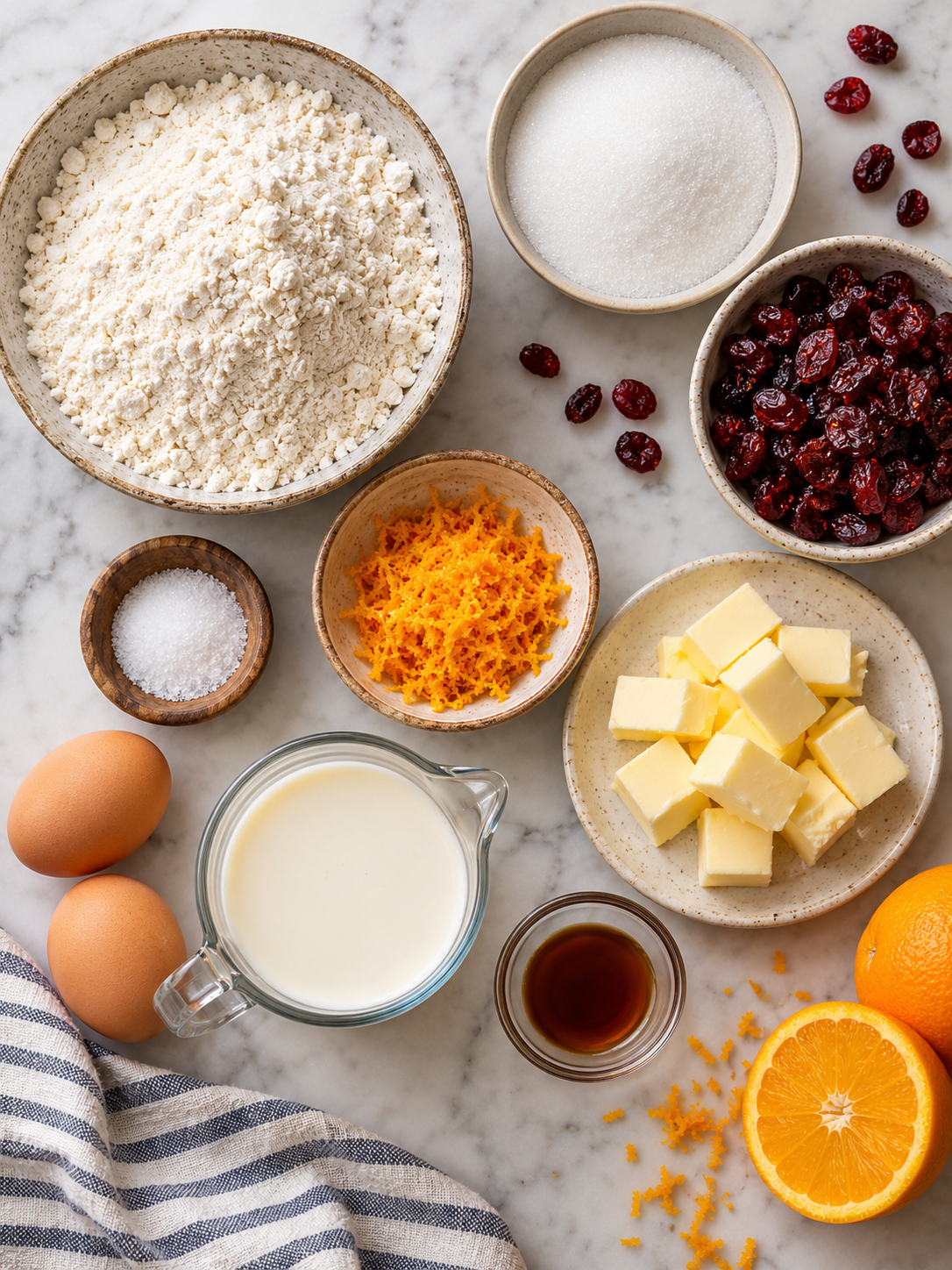
Every ingredient in this recipe serves a specific structural or flavorful purpose. Using the correct proportions ensures the pastry holds its shape without becoming tough.
- All-Purpose Flour (2 cups): Standard unbleached all-purpose flour provides the ideal protein structure (typically around 10% to 11%). It creates enough gluten to give the pastry shape while keeping the crumb delicate. Avoid bread flour, which develops too much gluten and yields a chewy texture.
- Granulated Sugar (1/2 cup): Sugar sweetens the dough and acts as a tenderizer by retaining moisture and weakening gluten strands. A small portion is also reserved to sprinkle over the tops for a sparkling, crunchy crust.
- Dried Cranberries (1/2 cup): Dried cranberries deliver concentrated tartness and hold their shape during baking. If your dried cranberries feel particularly hard or dry, soak them in hot water for ten minutes and pat them thoroughly dry with paper towels before folding them into the flour.
- Salt (1/2 teaspoon): Fine table salt enhances the buttery flavor and balances the sharp sweetness of the citrus and fruit.
- Orange Zest (1 tablespoon): Use a microplane to remove only the bright orange outer layer of the citrus peel. Avoid the bitter white pith beneath. The zest contains natural essential oils that disperse deep citrus aroma evenly through the dough.
- Unsalted Butter (1/2 cup, chilled): Cold butter is essential. As the butter melts in the hot oven, the moisture inside turns to steam, pushing apart the flour layers. Cut the butter into small half-inch cubes and return it to the refrigerator until the exact moment of mixing. If using salted butter, reduce the added salt to one-quarter teaspoon.
- Large Egg (1): One large egg binds the dry mixture, enriches the crumb, and provides golden color.
- Half-and-Half (1/3 cup): Half-and-half contains roughly 10% to 18% milkfat, providing enough richness to soften the crumb without overwhelming the dough with liquid. You can substitute heavy cream for a slightly richer pastry, or whole milk for a lighter crumb. For dairy-free options, an unsweetened plain oat milk or almond milk works well, though the exterior may brown slightly less.
- Vanilla Extract (1 teaspoon): Pure vanilla extract rounds out the sharp acidity of the citrus zest and cranberries with warm aromatic notes.
- Orange Juice (1 tablespoon): Freshly squeezed orange juice supplements the dairy liquid, adding a subtle touch of natural acidity that helps tenderize the gluten.
Step-by-Step Instructions
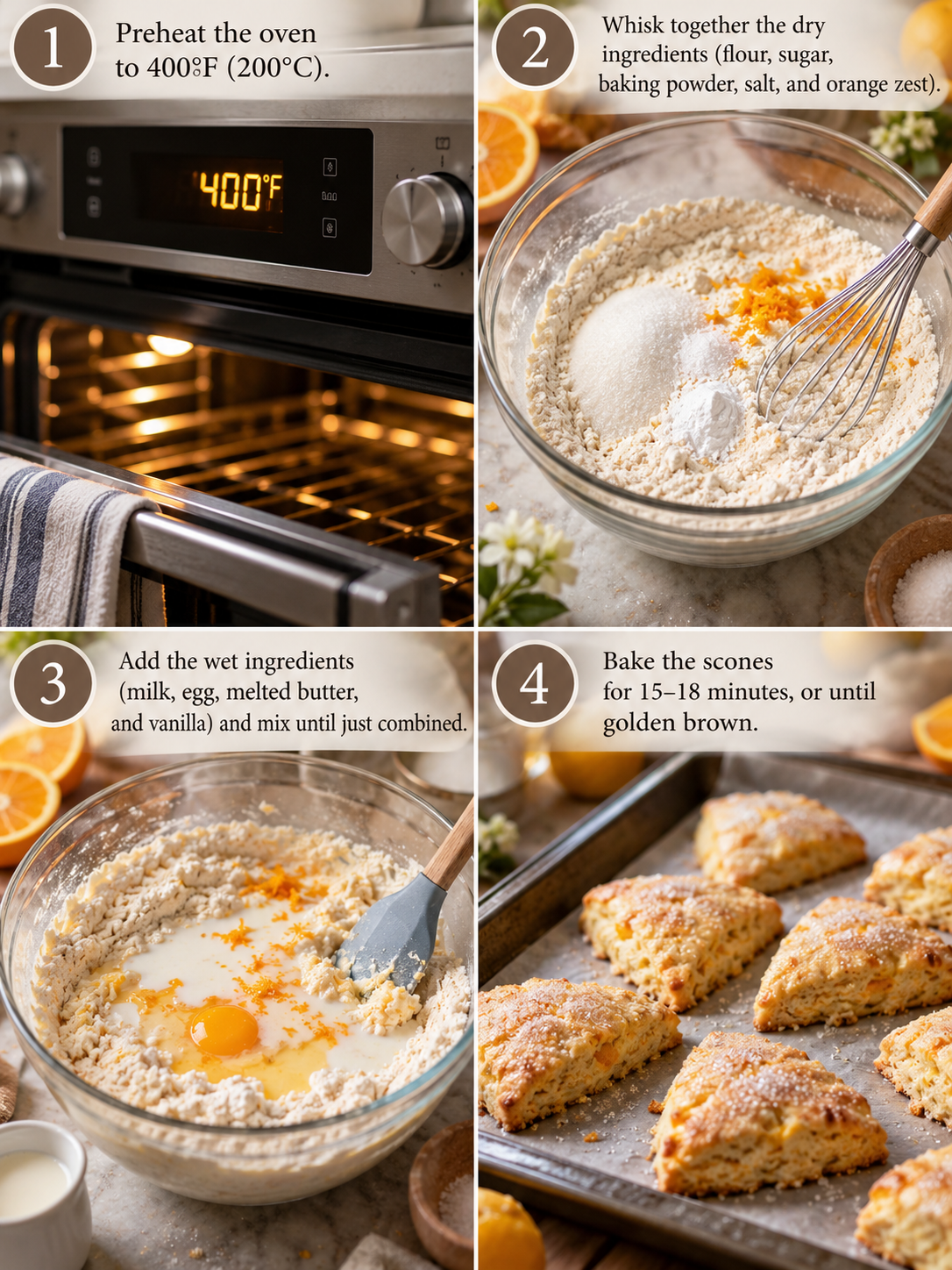
Follow these detailed steps to assemble and bake the scones with consistent results:
1. Preheat and Prep: Position an oven rack in the center position and preheat your oven to 400°F (200°C). Line a heavy rimmed baking sheet with parchment paper or a silicone baking mat to prevent the bottoms from over-browning.
2. Combine Dry Ingredients: In a large mixing bowl, whisk together 2 cups of all-purpose flour, 1/2 cup of granulated sugar, and 1/2 teaspoon of salt until thoroughly distributed.
3. Incorporate Citrus and Fruit: Add the 1 tablespoon of freshly grated orange zest and 1/2 cup of dried cranberries to the flour mixture. Toss them with your fingers or a spatula to coat each cranberry in flour. Coating the fruit prevents it from clumping together in the dough.
4. Cut in the Cold Butter: Add the 1/2 cup of chilled, cubed butter to the bowl. Using a pastry blender, two butter knives, or your fingertips, cut the butter into the flour mixture. Work quickly so the warmth of your hands does not soften the fat. Stop when the mixture resembles coarse meal with a few pea-sized butter pieces visible throughout.
5. Whisk the Wet Ingredients: In a separate medium measuring cup or small bowl, whisk together 1 large egg, 1/3 cup of half-and-half, 1 teaspoon of vanilla extract, and 1 tablespoon of orange juice until smooth and uniform.
6. Combine Wet and Dry: Pour the liquid mixture into the dry flour and butter mixture. Using a flexible silicone spatula or fork, stir gently from the bottom upward just until the flour is moistened and a shaggy dough begins to form. Do not overmix; the dough should look slightly rough and uneven.
7. Turn Out and Gather: Turn the shaggy dough out onto a lightly floured work surface. Gather any loose flour scraps and gently press the dough together. Knead it lightly by folding it over onto itself three to four times. This brief folding creates subtle internal layers without developing excess gluten.
8. Shape the Disk: Pat the gathered dough into an even 8-inch circular disk that is approximately 1 inch thick. Keep the edges straight and perpendicular to the work surface rather than sloped.
9. Portion into Wedges: Using a floured chef’s knife, bench scraper, or pastry wheel, slice straight down through the center of the disk to cut it into 8 equal triangular wedges (or 10 smaller wedges if preferred). Press straight down without sawing back and forth, which can pinch the edges closed and inhibit rising.
10. Arrange on Pan: Transfer the wedges to the prepared baking sheet, leaving at least 1 to 2 inches of space between each piece to allow the hot air to circulate freely.
11. Finish the Tops: Lightly brush the tops of the unbaked wedges with an extra teaspoon of half-and-half using a pastry brush. Sprinkle a light pinch of granulated sugar across each top for added crunch and appearance.
12. Bake to Doneness: Bake at 400°F (200°C) for 15 to 20 minutes. The scones are finished when the tops turn a pale golden hue, the edges are lightly browned, and the center feels set when gently pressed. Remove from the oven and allow them to rest on the hot baking sheet for 5 minutes before transferring them to a wire rack to cool slightly.
If you are planning an extended brunch or lunch gathering, these sweet pastries pair wonderfully alongside savory lunch options such as a chilled Tortellini Salad or an herb-seasoned Turkey Sandwich Recipe.
Expert Chef Tips & Troubleshooting
- Keep Everything Cold: The single most critical rule of scone baking is maintaining cold fat. If your kitchen runs warm, place your cubed butter in the freezer for ten minutes before cutting it into the dry ingredients. You can also place the shaped unbaked wedges in the refrigerator for fifteen minutes before sliding them into the hot oven to firm up the butter.
- Avoid Overworking the Dough: Gluten forms whenever flour contacts liquid and is agitated. Stir only until the dry flour pockets vanish, and handle the dough as gently as possible during the shaping step. Excessive kneading results in a tough, bread-like texture rather than a soft crumb.
- Clean Cuts for Maximum Rise: When dividing the 8-inch round into wedges, dust your knife with flour and press straight down through the dough. Dragging or sawing the blade compresses the tender edges, sealing the dough and preventing the pastry from expanding upward.
- Food Safety Standards: When handling raw eggs and dairy during preparation, maintain clean kitchen surfaces and follow standard safe food handling practices by washing your hands and tools thoroughly. Scones should be baked until the internal crumb is fully set; check safe minimum internal temperatures for general egg-based baked goods, which typically register around 160°F to 200°F inside once baked through.
- Watch the Oven Temperature: An oven that runs too cool will cause the butter to melt and leak out onto the pan before the flour starch sets, resulting in greasy, flat scones. An inexpensive oven thermometer hung on the center rack helps verify your actual baking temperature.
Storage, Make-Ahead & Reheating
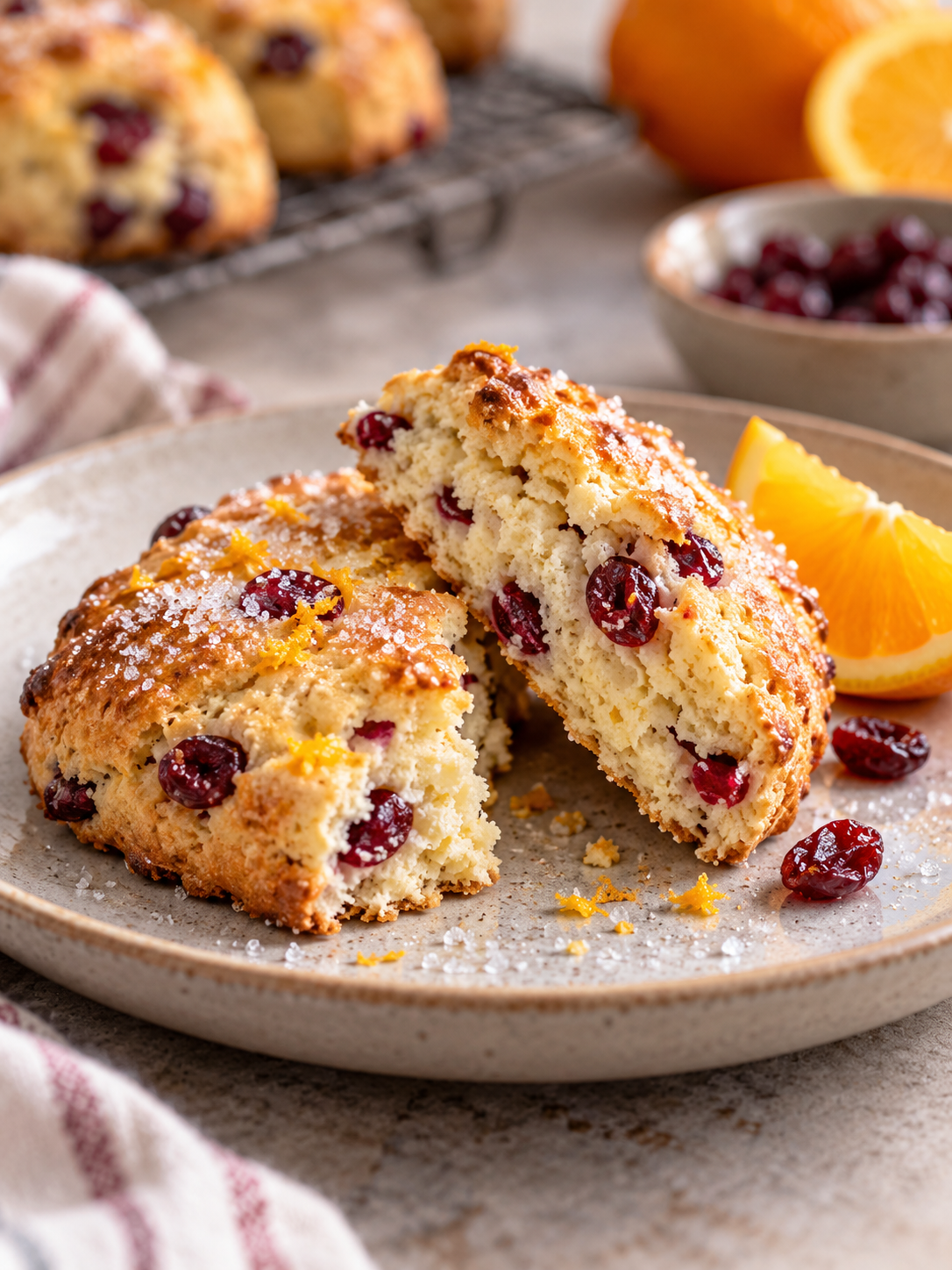
- Room Temperature Storage: Allow the scones to cool completely on a wire rack before packing them away. Trapped steam inside a warm container softens the crust and makes the pastry gummy. Store cooled scones in an airtight container lined with a dry paper towel at room temperature for up to 2 days.
- Freezing Baked Scones: Wrap individually cooled scones tightly in plastic wrap and store them inside a heavy-duty freezer bag for up to 2 months. Thaw frozen scones on the kitchen counter at room temperature for about one hour before serving.
- Freezing Unbaked Dough: You can shape and slice the dough into wedges, arrange them on a parchment-lined baking sheet, and freeze them until solid (about two hours). Transfer the frozen wedges to a freezer-safe bag. When ready to bake, place the frozen scones directly onto a prepared sheet pan and bake at 400°F (200°C), adding 2 to 3 minutes to the standard baking time.
- Reheating for Best Texture: To restore the crisp exterior and tender interior, preheat your oven or toaster oven to 300°F (150°C). Place the scones on a baking sheet, loosely tented with foil, and warm them for 5 to 10 minutes. Avoid the microwave, as it rapidly steams the pastry, making the texture dense and spongy.
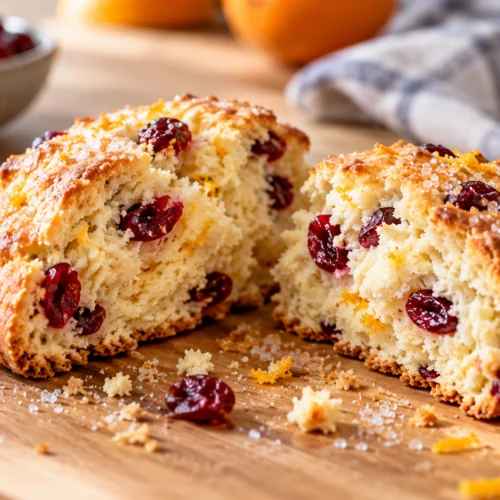
Cranberry Orange Scones

Equipment
- Large bowl
- Pastry blender
- Baking Sheet
- Oven
Ingredients
Dry Ingredients
- 2 cups all-purpose flour
- 1/2 cup granulated sugar
- 1/2 cup dried cranberries
- 1/2 teaspoon salt
Wet Ingredients
- 1/2 cup unsalted butter, chilled and cut into small pieces
- 1 large egg
- 1/3 cup half-and-half
- 1 teaspoon vanilla extract
- 1 tablespoon orange juice
Instructions
- Preheat oven to 400°F (200°C). Line a baking sheet with parchment paper.
- In a large bowl, whisk together the flour, sugar, and salt.
- Add the dried cranberries and orange zest to the dry ingredients and stir to combine.
- Use a pastry blender or your fingers to work the cold butter into the dry ingredients until the mixture resembles coarse crumbs.
- In a separate bowl, whisk together the egg, half-and-half, and vanilla extract.
- Pour the wet ingredients into the dry ingredients and stir until the dough comes together in a shaggy mass.
- Turn the dough out onto a floured surface and gently knead it a few times until it comes together.
- Pat the dough into an 8-inch round disk, about 1 inch thick.
- Use a sharp knife or pastry cutter to cut the disk into 8-10 wedges.
- Place the wedges on the prepared baking sheet, leaving about 1 inch of space between each scone.
- Brush the tops of the scones with a little extra half-and-half and sprinkle with granulated sugar.
- Bake the scones for 15-20 minutes, or until they are golden brown.
Notes
- Calories: 220
- Protein: 3g
- Carbohydrates: 30g
- Fat: 10g
- Saturated fat: 6g
- Cholesterol: 20mg
- Sodium: 200mg
- Potassium: 0mg
- Fiber: 1g
- Sugar: 10g
Frequently Asked Questions
What is the best way to integrate dried cranberries into cranberry orange scones for optimal flavor and texture?
Toss the half cup of dried cranberries directly with the whisked dry flour mixture before cutting in the cold butter. The light coating of flour separates the dried fruit pieces, preventing them from sticking together or sinking to the bottom of the dough during the baking process.
Can I use fresh or frozen cranberries instead of dried cranberries in this recipe?
You can use fresh or frozen cranberries, but keep in mind that fresh berries release extra tart juice as they burst under heat. Roughly chop the fresh cranberries and fold them into the dough very gently to prevent streaking the flour purple, or reduce the orange juice by one teaspoon to balance the additional moisture.
How do cold ingredients create a flaky scone texture?
Cold butter remains solid while you cut it into the dry flour, leaving small bits scattered throughout the mixture. When exposed to the high heat of the oven, the moisture in those cold butter pockets converts to steam, expanding the surrounding flour into delicate, airy layers before the fat fully melts into the crumb.
What is the best method to reheat cranberry orange scones without drying them out?
Reheat scones in an oven or toaster oven preheated to 300°F (150°C) for 5 to 10 minutes. Wrapping them loosely in aluminum foil protects the delicate top crust from burning while gently warming the buttery interior back to its original soft texture.