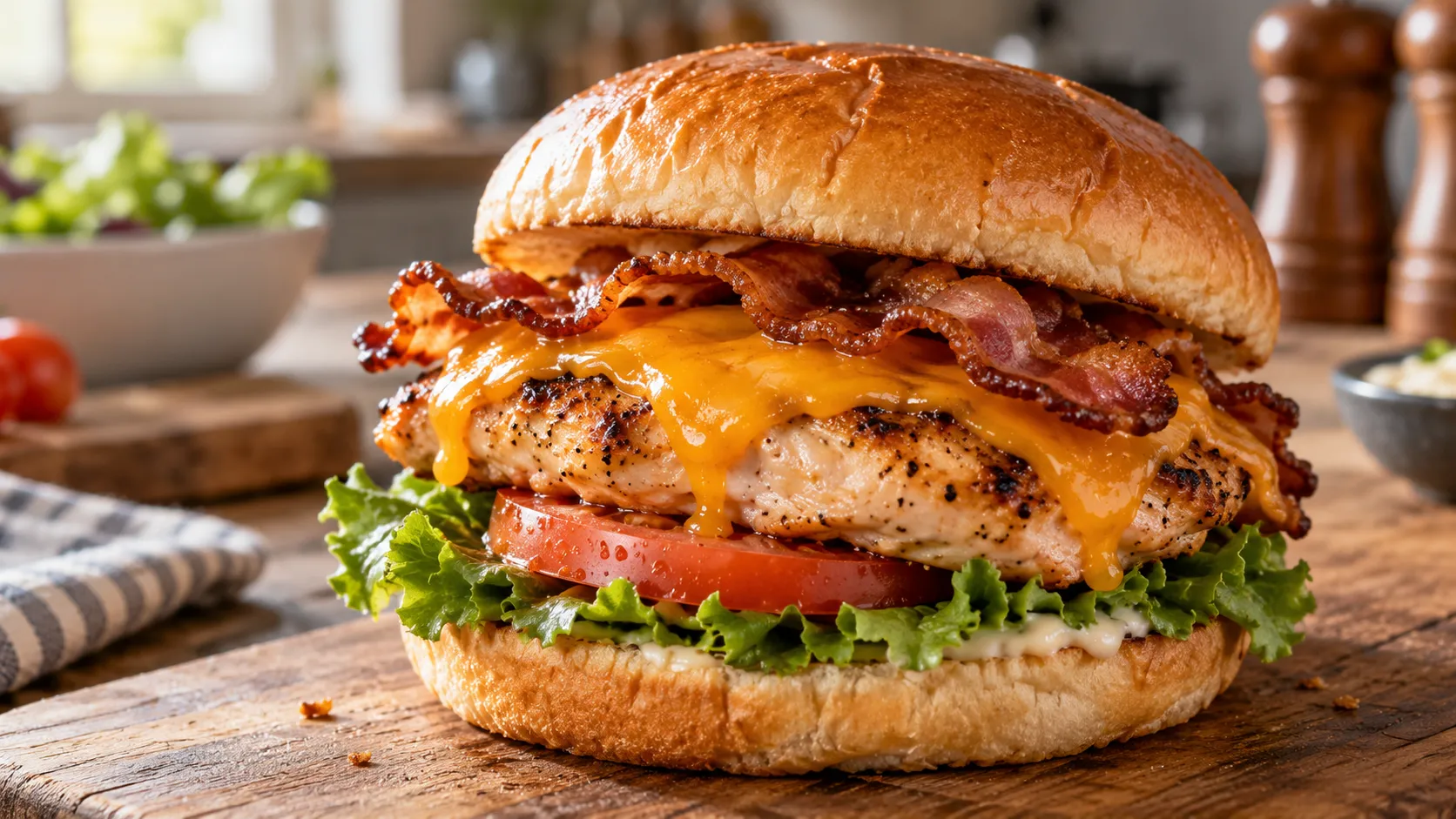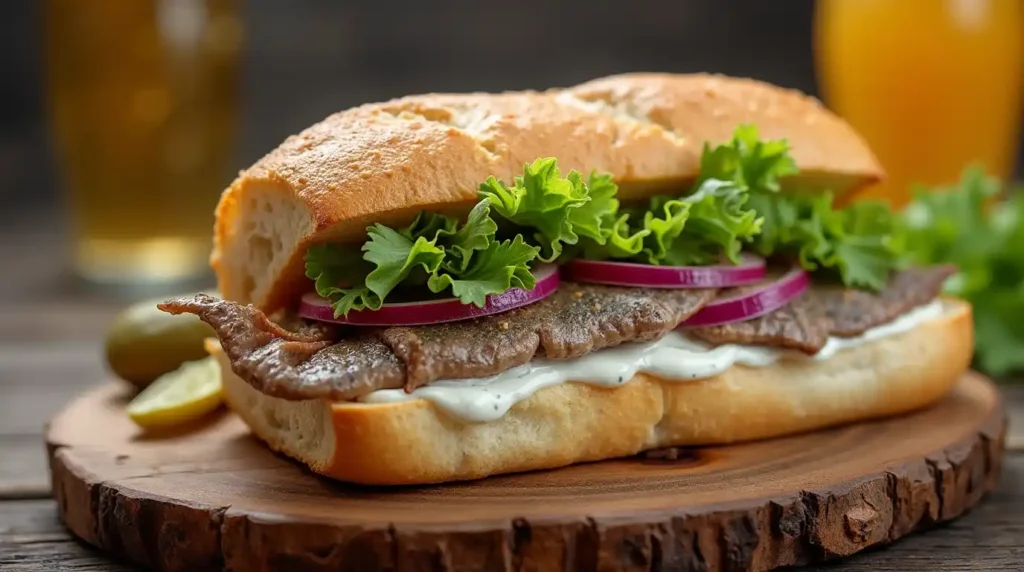
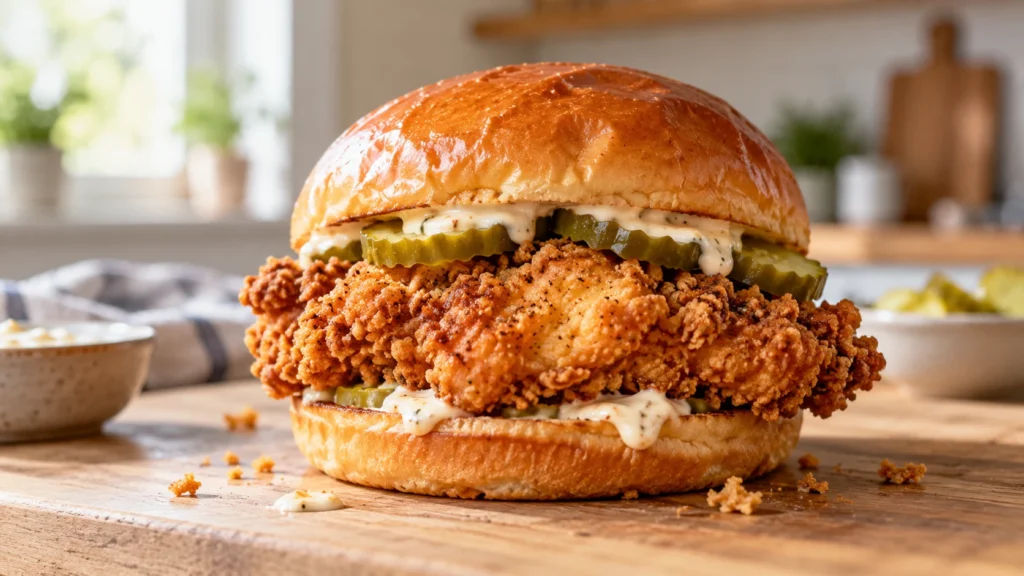
Looking for a crispy chicken sandwich recipe that’s easy to make and delicious? You’re in the right place! This recipe is perfect for anyone who loves crispy chicken sandwiches, and it’s great for lunch or dinner. The best part? It’s incredibly easy to make, and the result is a crispy, juicy chicken sandwich that’s sure to please.
Table of Contents
Why You’ll Love This Recipe
- Easy to make: This recipe is simple and requires minimal ingredients and preparation time.
- Crispy and juicy: The combination of flour, cornstarch, and baking powder creates a crispy exterior, while the buttermilk marinade keeps the chicken juicy and tender.
- Customizable: You can customize this recipe to your taste by adding your favorite toppings, such as pickles, lettuce, and tomato.
Key Ingredients & Substitutions
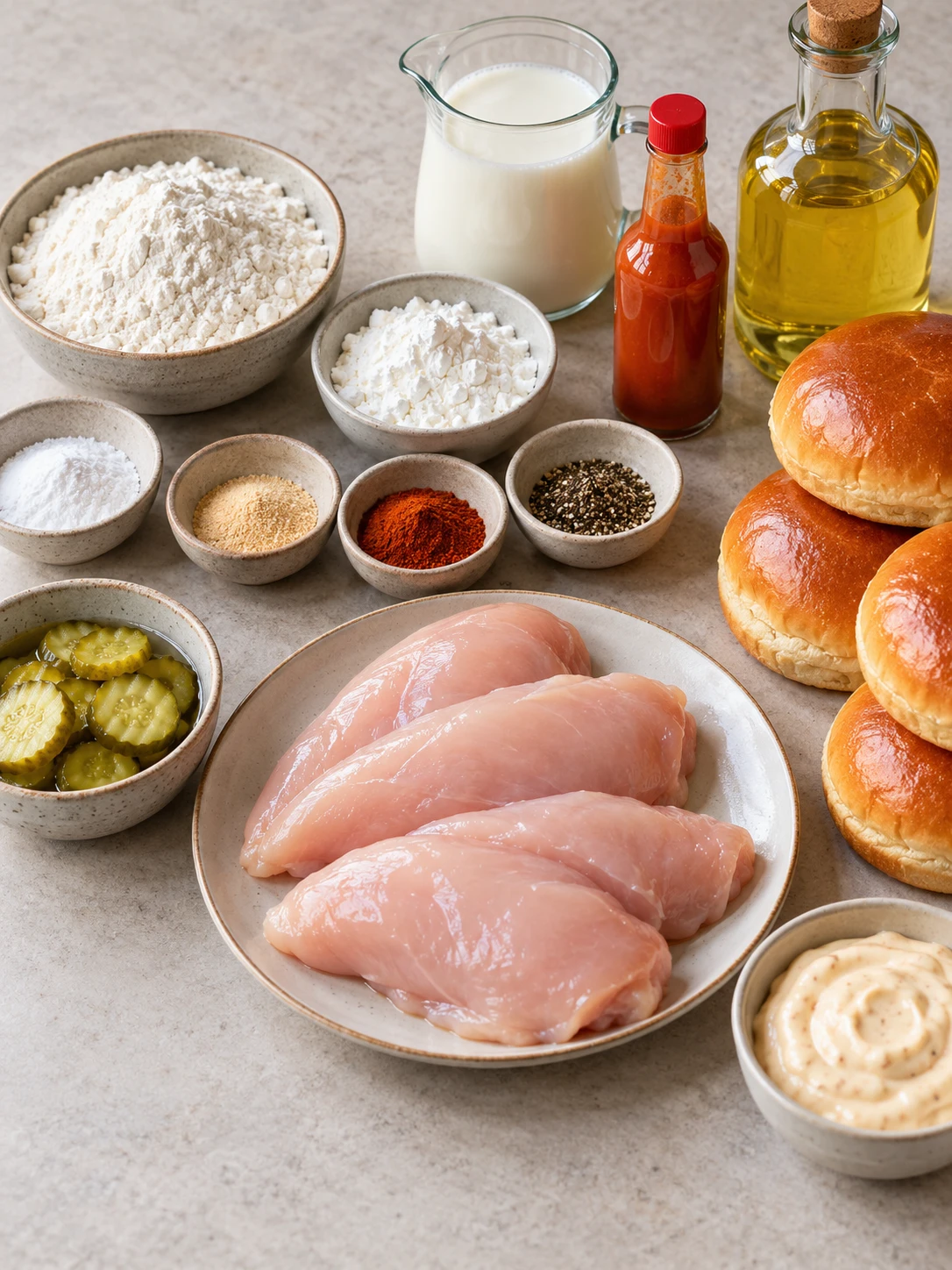
To make this crispy chicken sandwich recipe, you’ll need the following ingredients:
- 3 boneless, skinless chicken breasts (approximately 1⅓ lbs)
- 1.5 cups All-Purpose Flour
- 3 tbsp cornstarch
- 1.5 tsp baking powder
- 1 tsp garlic powder
- 1 tsp paprika
- 1 tsp black pepper
- 1 cup buttermilk
- 1 tsp hot sauce
- 4 cups vegetable oil for frying
- 6 buns (Brioche or standard)
- Pickles (Bread and Butter or Dill)
- Mayo-based sauce
If you’re looking for substitutions, you can try using gluten-free flour or replacing the buttermilk with a non-dairy milk alternative. For a spicy kick, you can add more hot sauce or use red pepper flakes.
Step-by-Step Instructions
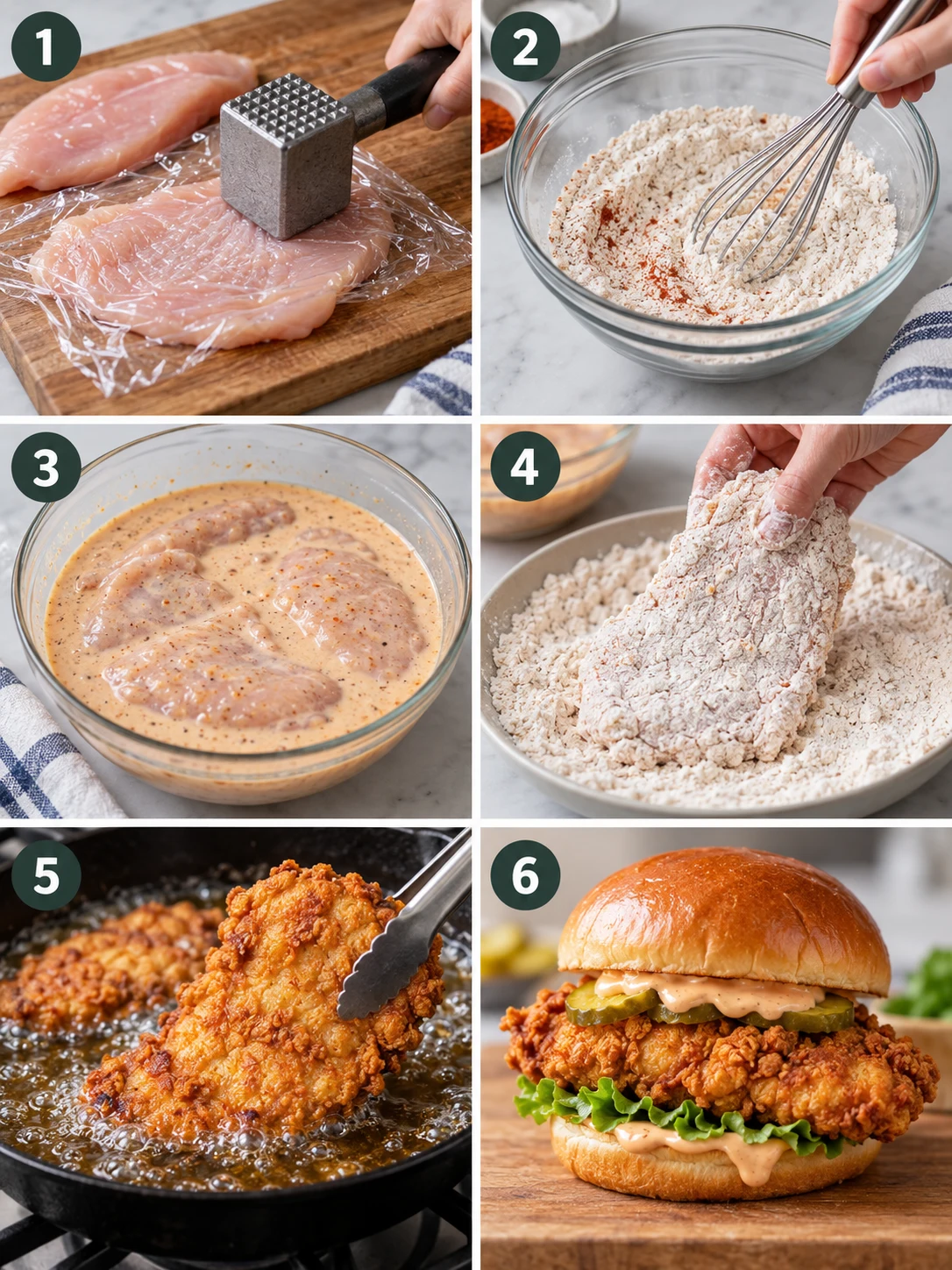
1. Pound the chicken breasts to an even thickness of 1/4″ to 1/2″.
2. In a large bowl, whisk together the flour, cornstarch, baking powder, garlic powder, paprika, and black pepper.
3. Pour the buttermilk into a separate large bowl and add the hot sauce. Stir to combine.
4. Add the chicken breasts to the buttermilk mixture and marinate for at least 2 hours or overnight.
5. Preheat the oil in a Dutch oven or high-sided pot to 350°F (175°C).
6. Remove the chicken from the marinade, allowing any excess to drip off.
7. Dredge the chicken breasts in the flour mixture, shaking off excess.
8. Drizzle the wet buttermilk mixture into the dry flour mixture to create “craggy bits” before dredging the chicken again.
9. Carefully place the coated chicken breasts in the preheated oil. Fry for 4-7 minutes total, or until the internal temperature reaches 160-165°F. For safe internal temperatures, follow official guidance on safe minimum internal temperatures and safe internal temperature chart for guidance.
10. Remove the chicken from the oil and place on a wire rack to drain excess oil.
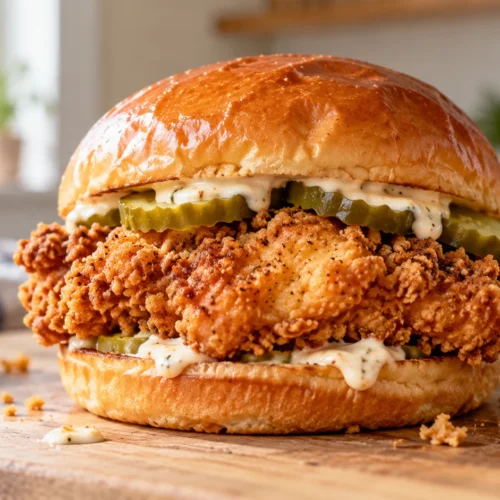
11. Assemble the sandwiches by spreading mayo-based sauce on the buns, adding the fried chicken, pickles, and any other desired toppings.
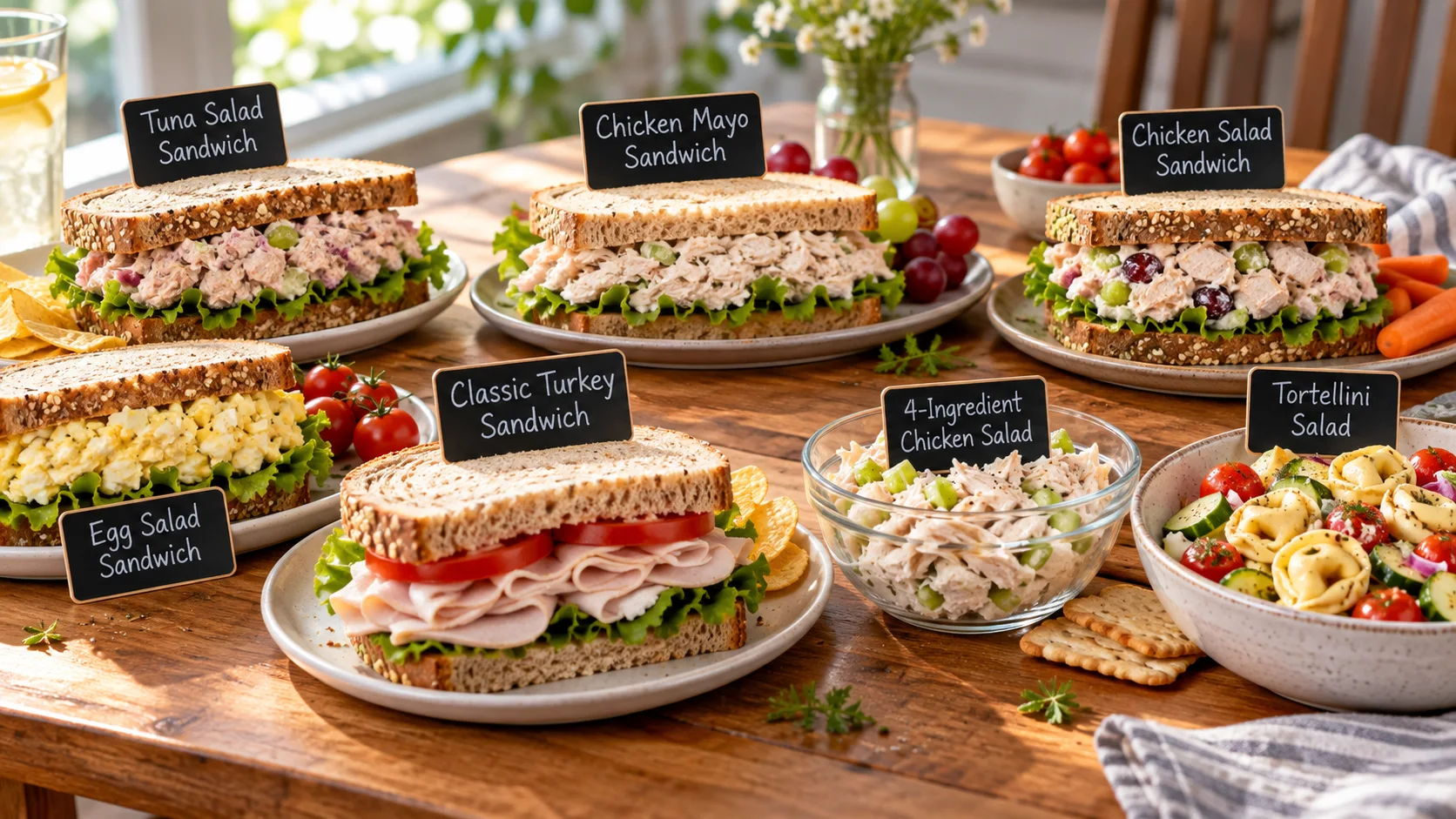
If you’re looking for more chicken sandwich recipes, be sure to check out our Chicken Salad Sandwich Without Celery and Chicken Mayo Sandwich Recipe.
Expert Chef Tips & Troubleshooting
To achieve a crispy crust, make sure to not overmix the flour mixture, and don’t be afraid to experiment with different seasonings and spices. If you’re having trouble getting the breading to stick, try dipping the chicken in the flour mixture twice, or using a little bit of egg wash to help the breading adhere.
For more tips on cooking chicken, check out our Shredded Chicken Sandwich Recipe.
Storage, Make-Ahead & Reheating
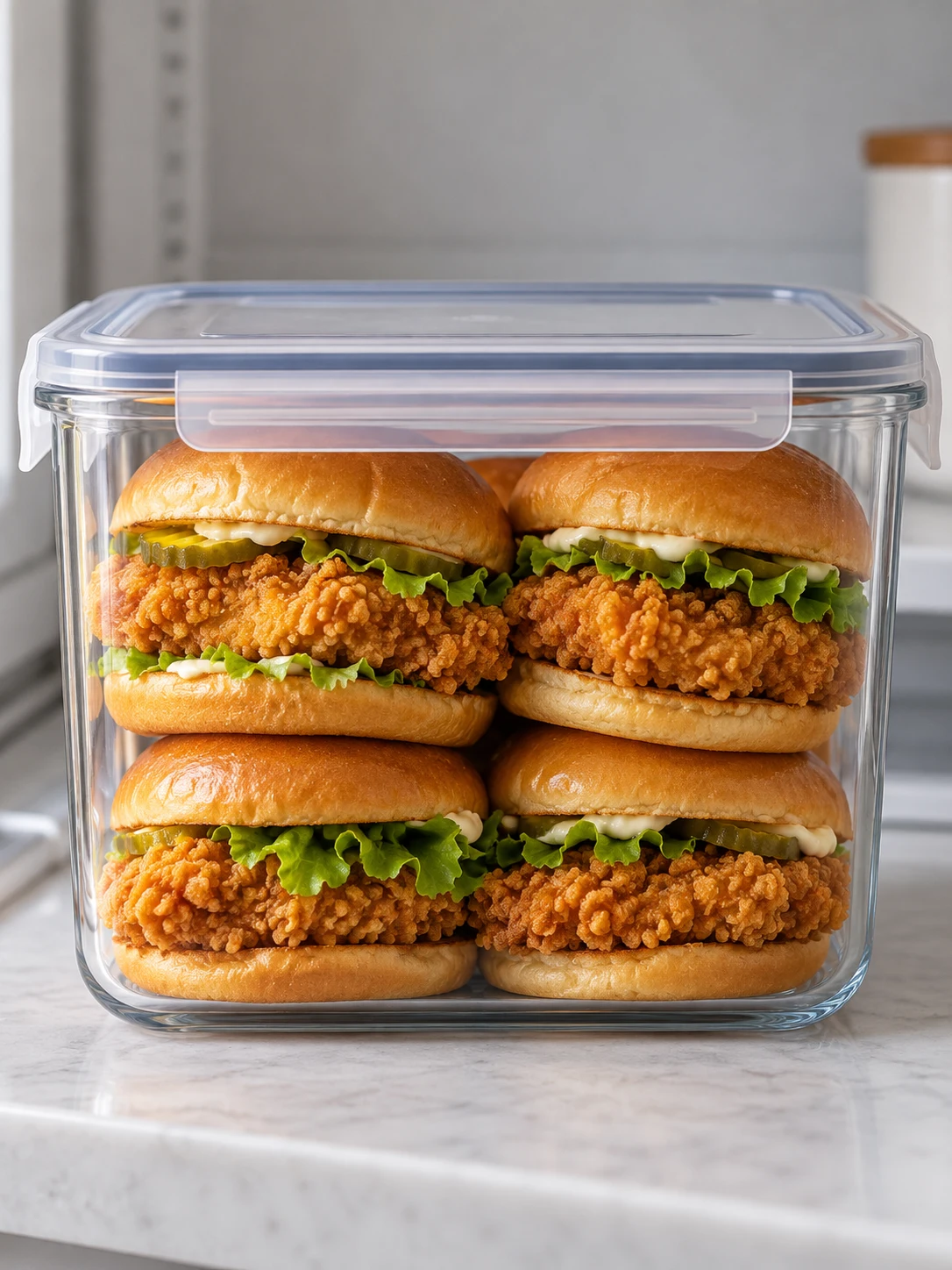
To store the fried chicken, let it cool completely on a wire rack before placing it in an airtight container in the refrigerator. You can reheat the chicken in the oven or microwave, or use a toaster oven to crisp up the exterior.
Crispy Chicken Sandwich Recipe

Equipment
- Dutch oven or high-sided pot
- Wire rack
- Fine Mesh Sieve or Cheesecloth
Ingredients
Chicken
- 3 boneless, skinless chicken breasts chicken breasts approximately 1⅓ lbs
Breading
- 1.5 cups All-Purpose Flour
- 3 tbsp cornstarch
- 1.5 tsp baking powder
- 1 tsp garlic powder
- 1 tsp paprika
- 1 tsp black pepper
Marinade
- 1 cup buttermilk
- 1 tsp hot sauce
Frying Oil
- 4 cups vegetable oil
Toppings
- 6 buns buns Brioche or standard
- 1 cup pickles Bread and Butter or Dill
- 1 cup mayo-based sauce
Instructions
- Pound the chicken breasts to an even thickness of 1/4″ to 1/2″.
- In a large bowl, whisk together the flour, cornstarch, baking powder, garlic powder, paprika, and black pepper.
- Pour the buttermilk into a separate large bowl and add the hot sauce. Stir to combine.
- Add the chicken breasts to the buttermilk mixture and marinate for at least 2 hours or overnight.
- Preheat the oil in a Dutch oven or high-sided pot to 350°F (175°C).
- Remove the chicken from the marinade, allowing any excess to drip off.
- Dredge the chicken breasts in the flour mixture, shaking off excess.
- Drizzle the wet buttermilk mixture into the dry flour mixture to create “craggy bits” before dredging the chicken again.
- Carefully place the coated chicken breasts in the preheated oil. Fry for 4-7 minutes total, or until the internal temperature reaches 160-165°F.
- Remove the chicken from the oil and place on a wire rack to drain excess oil.
- Assemble the sandwiches by spreading mayo-based sauce on the buns, adding the fried chicken, pickles, and any other desired toppings.
Notes
- Calories: 540
- Protein: 35g
- Carbohydrates: 25g
- Fat: 35g
- Saturated fat: 10g
- Cholesterol: 60mg
- Sodium: 450mg
- Potassium: 400mg
- Fiber: 2g
- Sugar: 5g
- Vitamin A: 10 IU
- Vitamin C: 20mg
- Calcium: 20mg
- Iron: 2.5mg
Frequently Asked Questions
What is the best way to achieve a crispy crust on my chicken sandwich, and how do I prevent the breading from falling off?
To achieve a crispy crust, it’s essential to use the right combination of ingredients and techniques. Both leading competitors in the crispy chicken sandwich recipe space utilize All-Purpose Flour as the base, with additions like cornstarch and baking powder to enhance crispiness. The “craggy” crust technique, achieved by drizzling a wet mixture into the dry flour or using a “double-dip” method, is also crucial. To prevent the breading from falling off, ensure that your chicken is properly pounded to an even thickness, marinated or brined for sufficient time, and that the breading process is done gently but firmly.
Can I use an air fryer to make crispy chicken sandwiches, and if so, how do I adjust the recipe?
Currently, both top competitors advise against using an air fryer for these specific wet-batter recipes, as it may not produce the desired crispy texture. However, if you still wish to experiment with an air fryer, you might need to adjust the breading technique and possibly the marinade time. It’s also crucial to preheat the air fryer and cook the chicken in batches to prevent overcrowding, which can affect the crispiness of the crust. Keep in mind that results may vary, and traditional deep-frying might still yield the best crispy chicken sandwich.
How do I safely manage and reuse the oil after frying my crispy chicken sandwiches?
Safely straining and reusing oil is a common concern for home cooks. After frying, let the oil cool down completely. Then, strain it through a fine-mesh sieve or cheesecloth into a clean container to remove any food particles. Store the strained oil in an airtight container in the refrigerator or freezer for future use. It’s essential to check the oil’s quality before reusing it; if it smells bad, looks cloudy, or has been used too many times, it’s best to discard it. Reusing oil can save you money and reduce waste, but always prioritize food safety.
What are some dietary variations or substitutions I can make to the traditional crispy chicken sandwich recipe to cater to different tastes or requirements?
There are several dietary variations and substitutions you can make to the traditional crispy chicken sandwich recipe. For a gluten-free version, consider replacing the All-Purpose Flour with a gluten-free flour blend. For a keto diet, focus on using low-carb ingredients and possibly substituting the breading with a mixture that includes almond flour or coconut flour. Additionally, you can explore using different types of protein, such as turkey or plant-based alternatives, for a variation in taste and nutritional content. Always ensure that any substitutions or variations comply with the necessary dietary restrictions and preferences.