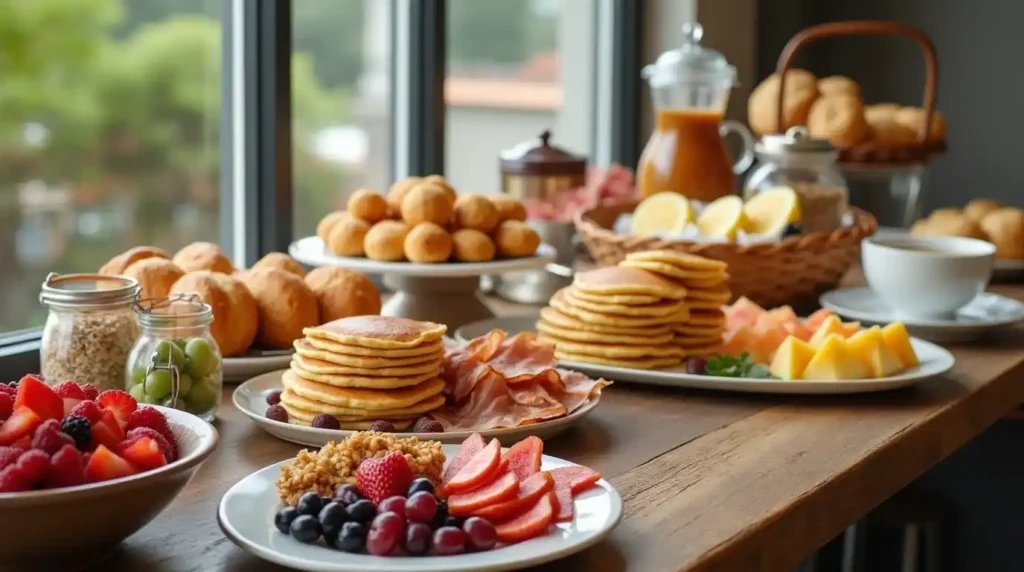

If you have ever frantically searched for “Soufflé pancakes near me” or “Japanese soufflé pancakes near me” only to face hour-long queues, you know the allure of these gravity-defying treats. But home cooks often face a heartbreaking reality: pancakes that rise beautifully in the pan, only to collapse into sad, flat disks the moment they hit the plate.
Table of Contents
Forget the recipes that rely on luck. We have developed a “Double Insurance” technique that solves the deflation problem once and for all. By combining the freezing method (chilling egg whites to tighten protein bonds) with chemical stabilization (cream of tartar), this recipe creates a structural integrity that standard recipes lack. Whether you are a novice or a pro, this guide will teach you how to make Japanese soufflé pancakes that stay tall, fluffy, and melt-in-your-mouth delicious.
The Science of the Fluff: Why This Recipe Works
To master this dish, you must understand that you are essentially cooking a soufflé in a skillet. The height comes from air bubbles trapped in a protein network, and our goal is to protect those bubbles at all costs.
The “Double Insurance” Stability
Most recipes use either cold eggs or an acidic stabilizer. We use both.
- Thermal Stability: Freezing the egg whites for 15 minutes before whipping increases their viscosity. This creates smaller, stronger air bubbles that are harder to pop during the folding process.
- Chemical Stability: Cream of tartar lowers the pH of the egg whites, preventing the proteins from bonding too tightly and squeezing out the water (which causes weeping and collapse).
When considering the nutritional benefits of eggs, it is fascinating to note that the high-quality protein in the whites is exactly what allows this architectural marvel to exist.
Flour Choice Matters
While some search for how to make soufflé pancakes with pancake mix, the stabilizers in commercial mixes are often too heavy. We use cake flour because its lower protein content (compared to all-purpose) discourages gluten formation, ensuring the pancake remains tender rather than chewy.
Ingredients
Follow these measurements and instructions precisely. Baking is chemistry, and Soufflé Pancakes are its most delicate experiment.

- 2 large eggs (whites and yolks separated)
- 1 ½ tbsp whole milk
- ¼ tsp vanilla extract
- ¼ cup (32g) cake flour (or all-purpose flour)
- ½ tsp baking powder
- 2 tbsp (25g) granulated sugar
- ¼ tsp cream of tartar (or ½ tsp lemon juice/vinegar)
- 1 tbsp vegetable oil (for greasing the pan)
- 1 tbsp water (for steaming)
- Optional toppings: Powdered sugar, maple syrup, fresh berries, whipped cream
Note: If you have health considerations for a gluten-free diet, you can substitute a high-quality 1:1 gluten-free baking flour, though the rise may be slightly less dramatic.
Step-by-Step Instructions
- Chill and Separate: Separate the egg whites and yolks into two different bowls. Place the whites in the freezer for exactly 15 minutes to chill.
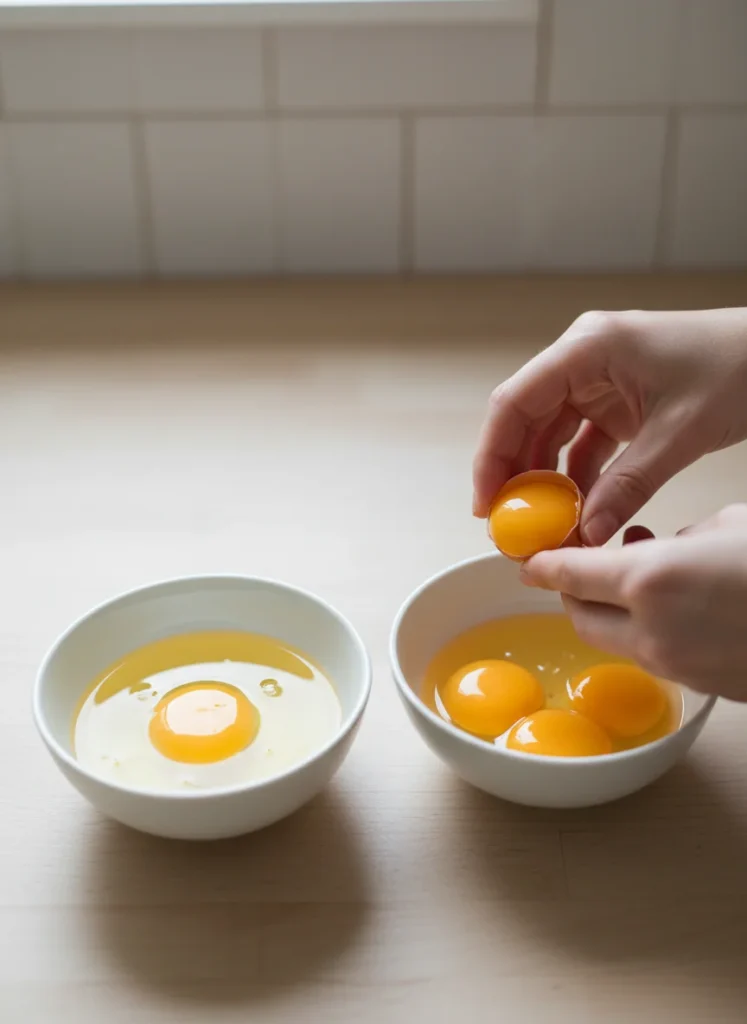
- Prepare the Yolk Base: In the bowl with yolks, whisk in the milk and vanilla extract until frothy.

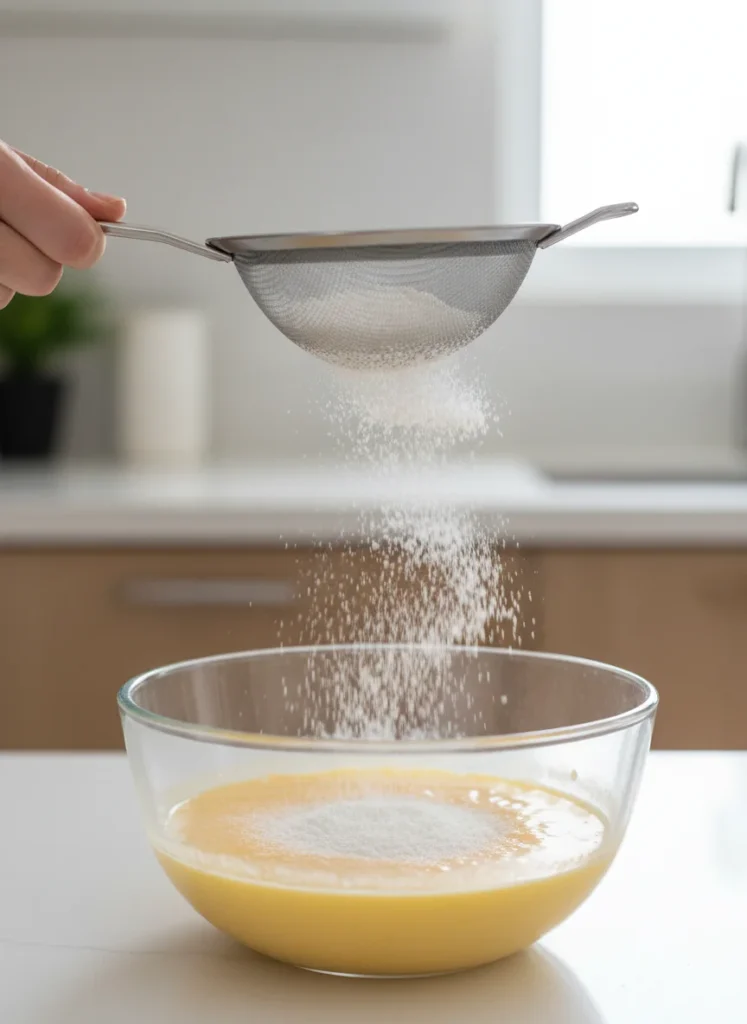
- Add Dry Ingredients: Sift the cake flour and baking powder into the yolk mixture and whisk until smooth and combined. Set aside.
- Whip the Meringue: Remove egg whites from the freezer. Add cream of tartar. Using a hand mixer, beat on medium speed until the mixture is opaque and frothy.
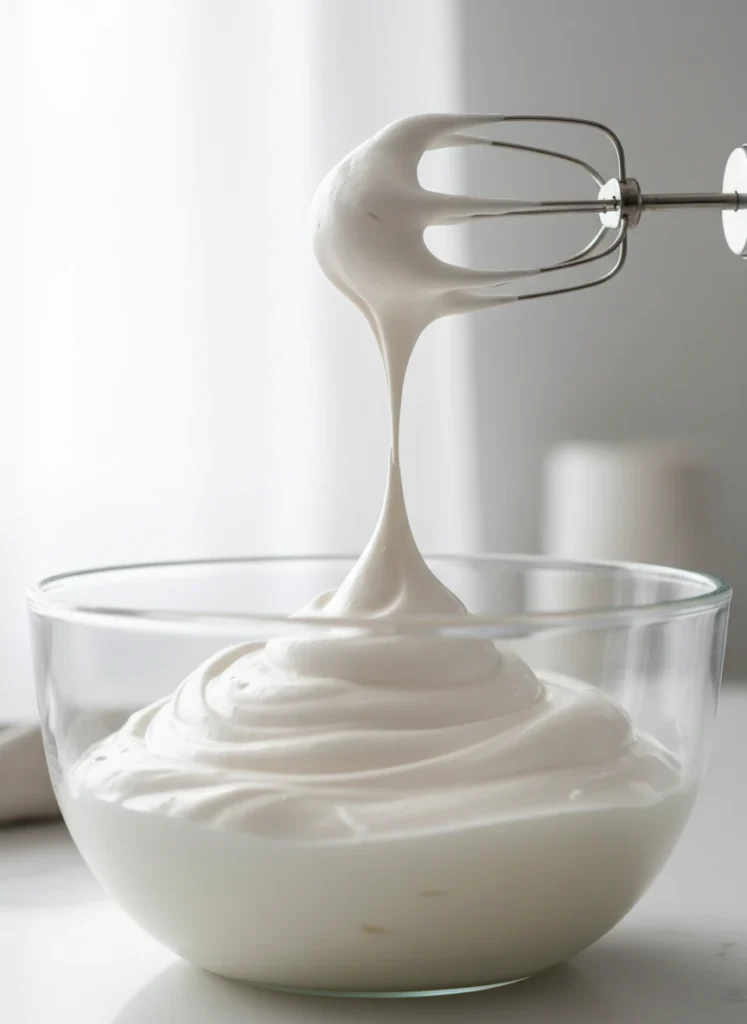
- Create Stiff Peaks: Gradually add the sugar to the egg whites one-third at a time while beating. Continue whipping until stiff, glossy peaks form (the meringue should resemble shaving cream and defy gravity when the bowl is inverted).
- The Fold: Gently fold one-third of the meringue into the yolk batter with a spatula to lighten it.
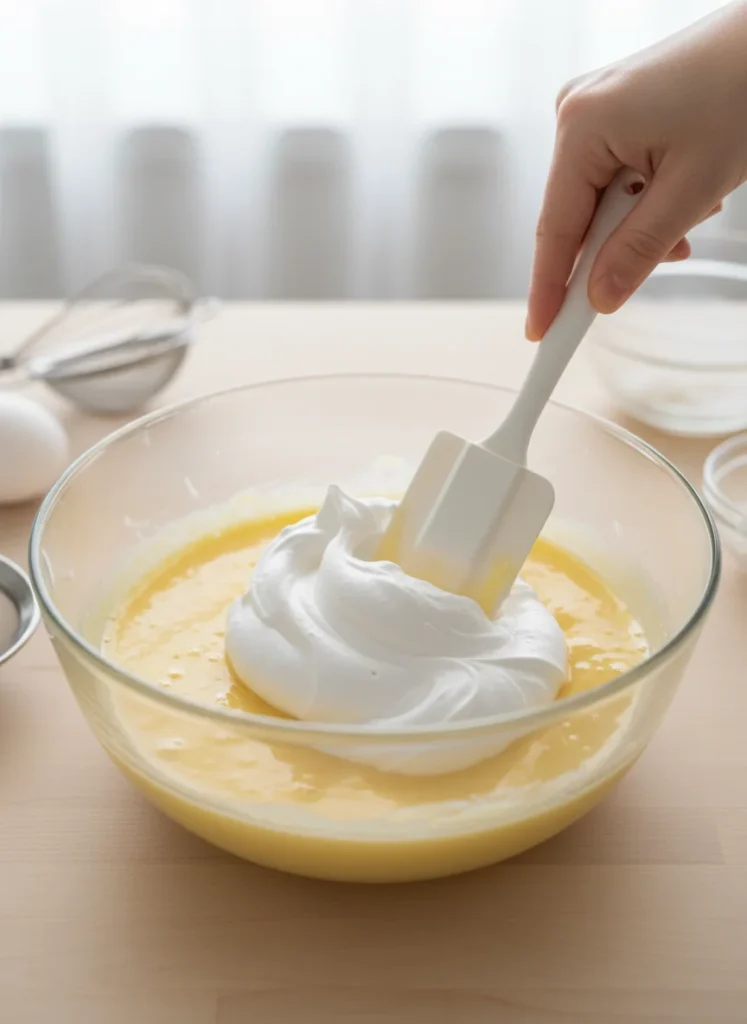
- Final Combination: Add the remaining meringue and fold very gently to incorporate without breaking the air bubbles. Stop as soon as no white streaks remain.
- Preheat: Heat a non-stick frying pan (or electric griddle to 300°F/150°C) over very low heat. Lightly grease with vegetable oil and wipe off excess with a paper towel.
- Stack the Batter: Scoop the batter into the pan, stacking 2-3 scoops on top of each other to create tall, thick mounds.
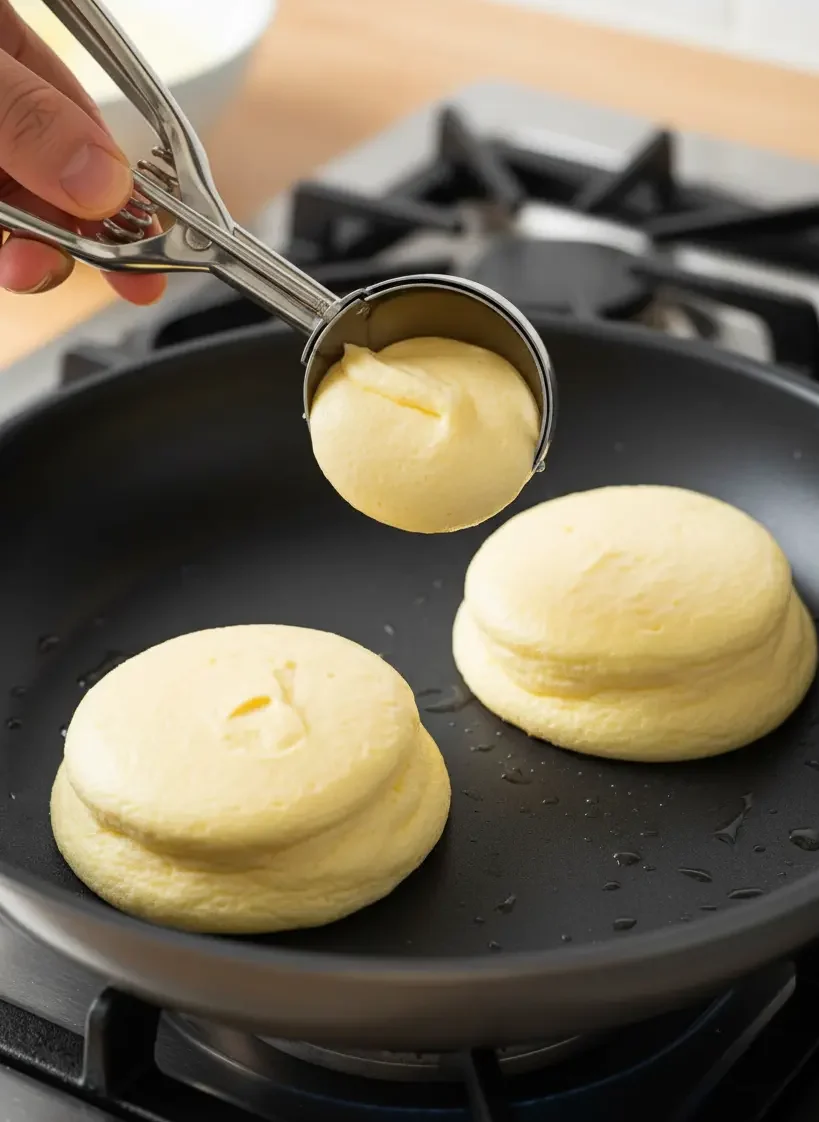
- Steam Bath: Add 1 tablespoon of water to empty spaces in the pan (not touching the batter) and immediately cover with a lid (or dome if using a griddle).
- The Rise: Cook for 4-5 minutes on low heat. The batter should rise significantly and the bottom should be golden brown.
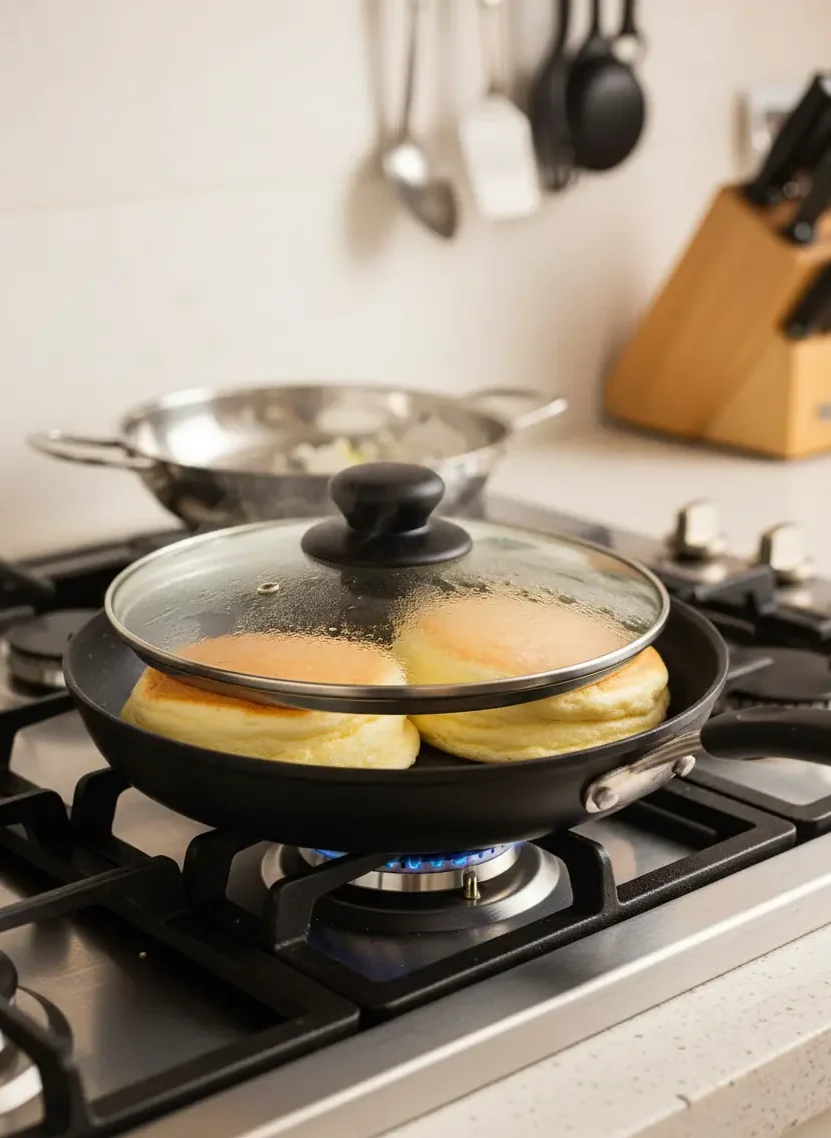
- Flip and Finish: Carefully flip the pancakes. Add another teaspoon of water if dry, cover, and cook for another 4-5 minutes.
- Serve: Transfer to a plate immediately and serve with toppings. Serve instantly as they will naturally deflate as they cool.
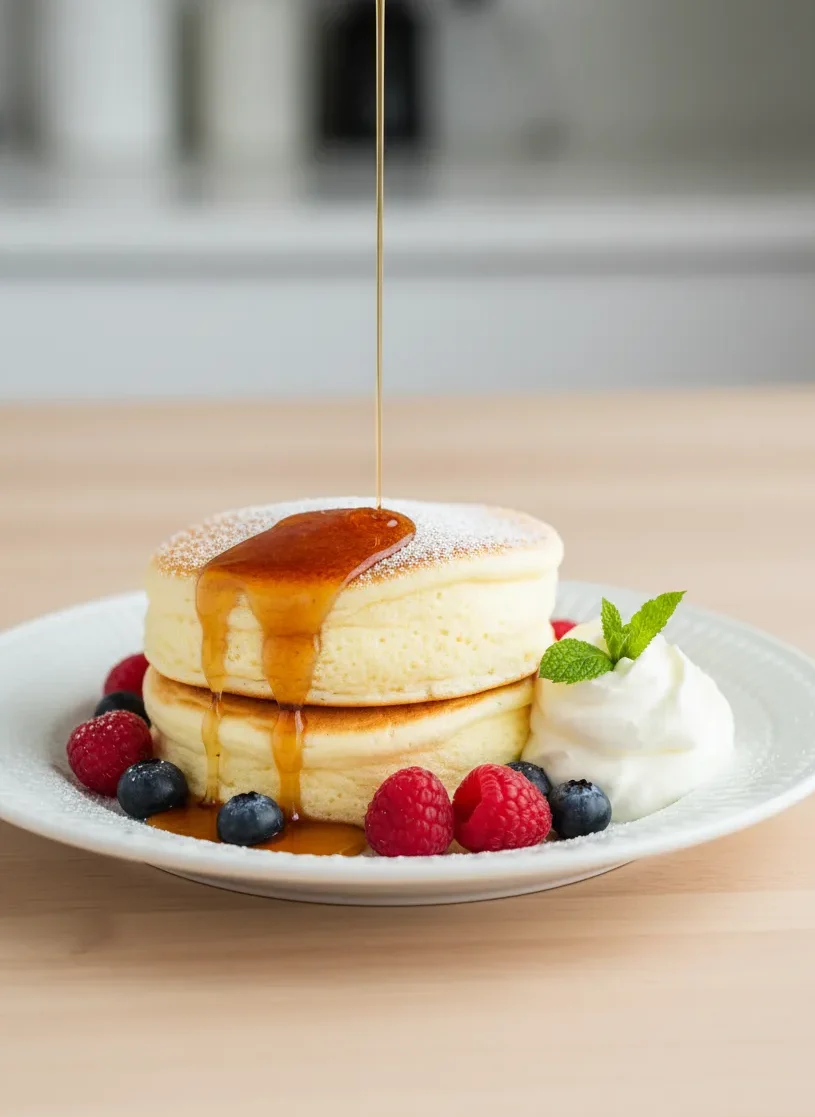
Meringue Masterclass: Visual Cues for Success
The number one reason users fail with this recipe is improper whipping. “Stiff peaks” is a vague term. Here is exactly what you need to look for during the whipping process:
- Stage 1: The Froth. After adding the cream of tartar, the mixture will look like bubble bath foam. It is too loose to hold shape.
- Stage 2: Soft Peaks. As you add sugar, the mixture turns opaque white. When you lift the beater, the peak will slump over like a soft serve ice cream cone. Do not stop here.
- Stage 3: Stiff Peaks (The Goal). The mixture should look like glossy shaving cream. When you lift the beater, the meringue points straight up like a jagged mountain peak. If you invert the bowl, the meringue should not move.
- Stage 4: Over-beaten (The Danger Zone). If the mixture looks grainy, dry, or like Styrofoam, you have gone too far. Unfortunately, there is no fixing this; you must start over with fresh whites.
Scaling Up: Batch Cooking and Griddle Method
Most recipes only show you how to cook two pancakes in a small pan. But what if you are feeding a family? The “Double Insurance” batter is stable enough to be cooked in larger batches if you move quickly.
To cook on a large electric griddle:
- Preheat: Set your electric griddle to 300°F (150°C). Accuracy is key; too hot and they burn, too cool and they won’t rise.
- The Dome: You cannot flip these like standard hotcakes; they need steam. Use a large roasting pan lid or individual stainless steel mixing bowls to cover the pancakes on the griddle.
- Water Injection: Just like the pan method, squirt a small amount of water under the lid/dome to create the necessary steam environment.
Flavor Variations and Infusions
Once you have mastered the texture, you can elevate the flavor profile beyond simple toppings.
- Earl Grey Infusion: Grind 1 teaspoon of Earl Grey tea leaves into a fine powder and whisk it into the yolk mixture (step 2).
- Lemon Zest: Rub lemon zest into the sugar before whipping the meringue for a citrusy aroma that cuts through the richness.
- Protein Soufflé Pancakes: For a post-workout boost, replace 1 tablespoon of flour with unflavored whey isolate.
If you enjoy citrus notes in your breakfast, you might also want to try our Lemon Ricotta Pancakes with Cherry Sauce, which offer a denser but equally delicious texture.
Serving Suggestions and Nutrition
These pancakes are best enjoyed with a light dusting of powdered sugar and fresh fruit. If using syrup, be mindful of the nutritional profile of maple syrup; while delicious, it is calorie-dense. For those monitoring their intake, understanding the role of carbohydrates in your diet can help you balance this treat within a healthy lifestyle.
Troubleshooting and FAQs
Why do my soufflé pancakes deflate, and how can I prevent it?
Some deflation is inevitable due to temperature changes. However, severe collapse is usually caused by under-whipped meringue (too soft) or under-cooking the center of the pancake. Our “Double Insurance” method of chilling whites and using cream of tartar minimizes this risk significantly.
What are “stiff peaks” and why is the meringue so crucial for fluffy soufflé pancakes?
“Stiff peaks” refer to egg whites that have been whipped enough to stand straight up without curling. This protein structure traps air. Without it, the batter is just liquid; with it, the batter becomes a structured foam that expands with heat.
Can I substitute all-purpose flour for cake flour when making soufflé pancakes?
Yes, you can. However, all-purpose flour has more gluten, which can make the pancakes slightly chewier and heavier. Cake flour is preferred for that authentic “melt-in-your-mouth” texture.
How quickly do soufflé pancakes need to be served to maintain their signature fluffiness?
Immediately! You have a window of about 5 minutes before gravity takes over. Have your plates, forks, and cameras ready before the pancakes leave the pan.
Soufflé Pancakes

Ingredients
- 2 large eggs whites and yolks separated
- 1 ½ tbsp whole milk
- ¼ tsp vanilla extract
- ¼ cup cake flour or all-purpose flour
- ½ tsp baking powder
- 2 tbsp granulated sugar
- ¼ tsp cream of tartar or ½ tsp lemon juice/vinegar
- 1 tbsp vegetable oil for greasing the pan
- 1 tbsp water for steaming
- Optional toppings: Powdered sugar maple syrup, fresh berries, whipped cream
Instructions
- Separate the egg whites and yolks into two different bowls. Place the whites in the freezer for 15 minutes to chill.
- In the bowl with yolks, whisk in the milk and vanilla extract until frothy.
- Sift the cake flour and baking powder into the yolk mixture and whisk until smooth and combined. Set aside.
- Remove egg whites from freezer. Add cream of tartar. Using a hand mixer, beat on medium speed until frothy.
- Gradually add the sugar to the egg whites one-third at a time while beating. Continue whipping until stiff, glossy peaks form (the meringue should stand up straight when the beater is lifted).
- Gently fold one-third of the meringue into the yolk batter with a spatula to lighten it.
- Add the remaining meringue and fold very gently to incorporate without breaking the air bubbles. Stop as soon as no white streaks remain.
- Heat a non-stick frying pan over very low heat. Lightly grease with vegetable oil and wipe off excess with a paper towel.
- Scoop the batter into the pan, stacking 2-3 scoops on top of each other to create tall, thick mounds.
- Add 1 tablespoon of water to empty spaces in the pan (not touching the batter) and immediately cover with a lid.
- Cook for 4-5 minutes on low heat. The batter should rise and the bottom should be golden brown.
- Carefully flip the pancakes. Add another teaspoon of water if dry, cover, and cook for another 4-5 minutes.
- Transfer to a plate immediately and serve with toppings. Serve instantly as they will deflate quickly.
Notes
Nutritional Information
- Calories: 320 kcal
- Fat: 14g
- Carbohydrates: 38g
- Protein: 10g
- Sugar: 22g