Acorn squash soup is a velvety, comforting bowl that brings out the very best of autumn produce. By roasting the squash halves until their edges caramelize, this recipe draws out a deep, nutty sweetness that balances harmoniously with warm savory aromatics, fragrant thyme, and a hint of cayenne heat. Finished with rich coconut cream and crisp toasted pepitas, it delivers a satisfying, velvety texture without requiring heavy dairy or complicated culinary techniques.
Whether you need a simple weeknight dinner to take the chill off a brisk evening or an elegant starter for a holiday spread, this soup comes together smoothly. Because winter squashes hold their structure and flavor well, you can easily prepare the base in advance, making your dinner routine seamless and stress-free.
Table of Contents
Why You’ll Love This Recipe
- Roasting the squash cut-side down concentrates its natural sugars and creates rich, caramelized depth before simmering.
- The aromatic base of slow-cooked yellow onions, sweet carrots, and fresh garlic creates a rounded, savory backbone that prevents the soup from tasting cloying.
- Pure coconut cream provides an ultra-smooth, luxurious body while keeping the entire recipe naturally dairy-free.
- The soup stores and reheats cleanly, making it an exceptional option for batch cooking and weekday meal prep.
Key Ingredients & Substitutions
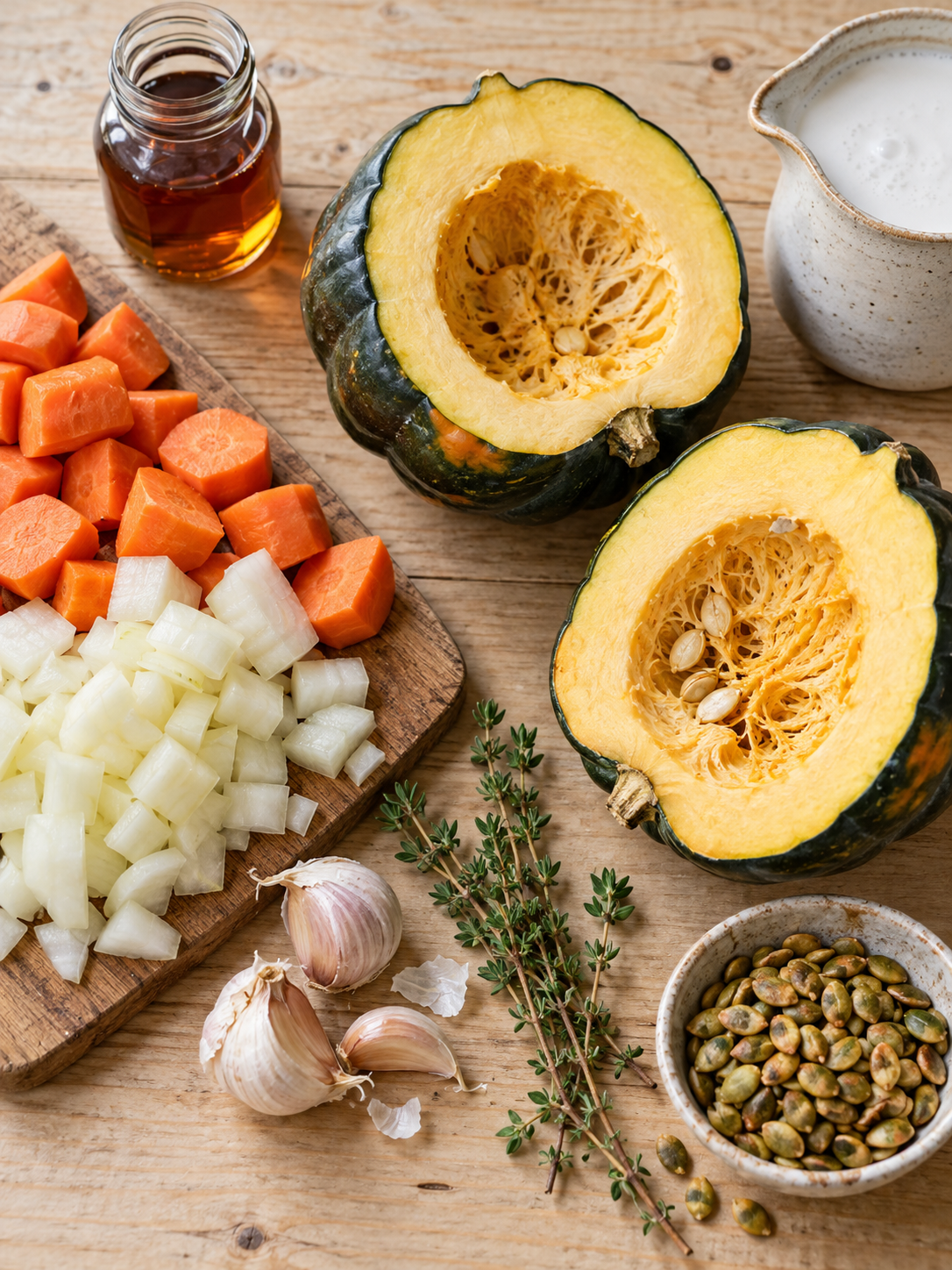
Every component in this recipe serves a specific culinary purpose, balancing richness, acidity, sweetness, and aroma:
- Acorn Squash (2 medium squashes, about 3 lbs total): Look for specimens that feel heavy for their size with smooth, dull, dark green rinds showing a splash of orange. A dull skin indicates peak ripeness, whereas a shiny rind signals an underripe squash with less developed flavor. Halving and roasting the squash directly in its peel eliminates the labor of raw peeling.
- Extra Virgin Olive Oil (2 tablespoons): Divided between roasting the squash flesh and gently sweating the mirepoix vegetables to carry the fat-soluble flavor compounds.
- Yellow Onion (1 large, diced): Forms the foundational savory sweetness. Sautéing the onion until translucent softens its sulfur compounds, yielding a mellow, savory base.
- Carrots (2 medium, peeled and chopped): Enhance the vibrant golden hue of the purée while adding earthy sweetness and body to the broth.
- Garlic (4 cloves, minced): Lends pungent warmth that cuts through the dense starch of the squash. Add it briefly at the end of sautéing to prevent bitterness.
- Low-Sodium Vegetable Broth (4 cups): Provides the liquid vehicle for simmering. Using low-sodium broth ensures you retain precise control over the final seasoning profile. Unsalted chicken broth also works well if you prefer poultry stock.
- Pure Maple Syrup (1 tablespoon): Amplifies the natural nutty notes of the squash without dominating the palate. You can substitute mild clover honey or omit it entirely if your squash is exceptionally sweet.
- Ground Nutmeg (1/2 teaspoon): A classic botanical pairing for winter squashes that imparts cozy, aromatic warmth. Freshly grated whole nutmeg offers an even brighter aroma.
- Cayenne Pepper (1/4 teaspoon): Introduces a gentle, lingering back-of-the-throat warmth that cuts the dense sweetness of the purée. Adjust the quantity up or down according to personal spice tolerance.
- Fine Sea Salt (1 teaspoon) & Cracked Black Pepper (1/2 teaspoon): Anchor and balance all individual flavor notes.
- Fresh Thyme (2 sprigs): Simmered whole in the broth to release herbal, woody notes, then removed before blending. A half teaspoon of dried thyme leaves works as a practical substitute.
- Heavy Coconut Cream (1/2 cup): Stirred in at the very end to yield a silky, velvety mouthfeel without curdling. For a traditional dairy profile, heavy whipping cream works in an equal 1:1 ratio.
- Toasted Pepitas (1/4 cup): Shelled pumpkin seeds toasted in a dry skillet until puffed and nutty, providing an essential textural contrast to the silky purée.
If acorn squash is unavailable at your local market, butternut squash or kabocha squash make reliable substitutes. Butternut squash offers a slightly smoother, silkier fiber profile, while kabocha provides an even richer, chestnut-like texture. Keep in mind that cooking times may vary by 5 to 10 minutes depending on the density and moisture content of the alternative squash you select.
Step-by-Step Instructions
1. Prepare and Roast the Squash
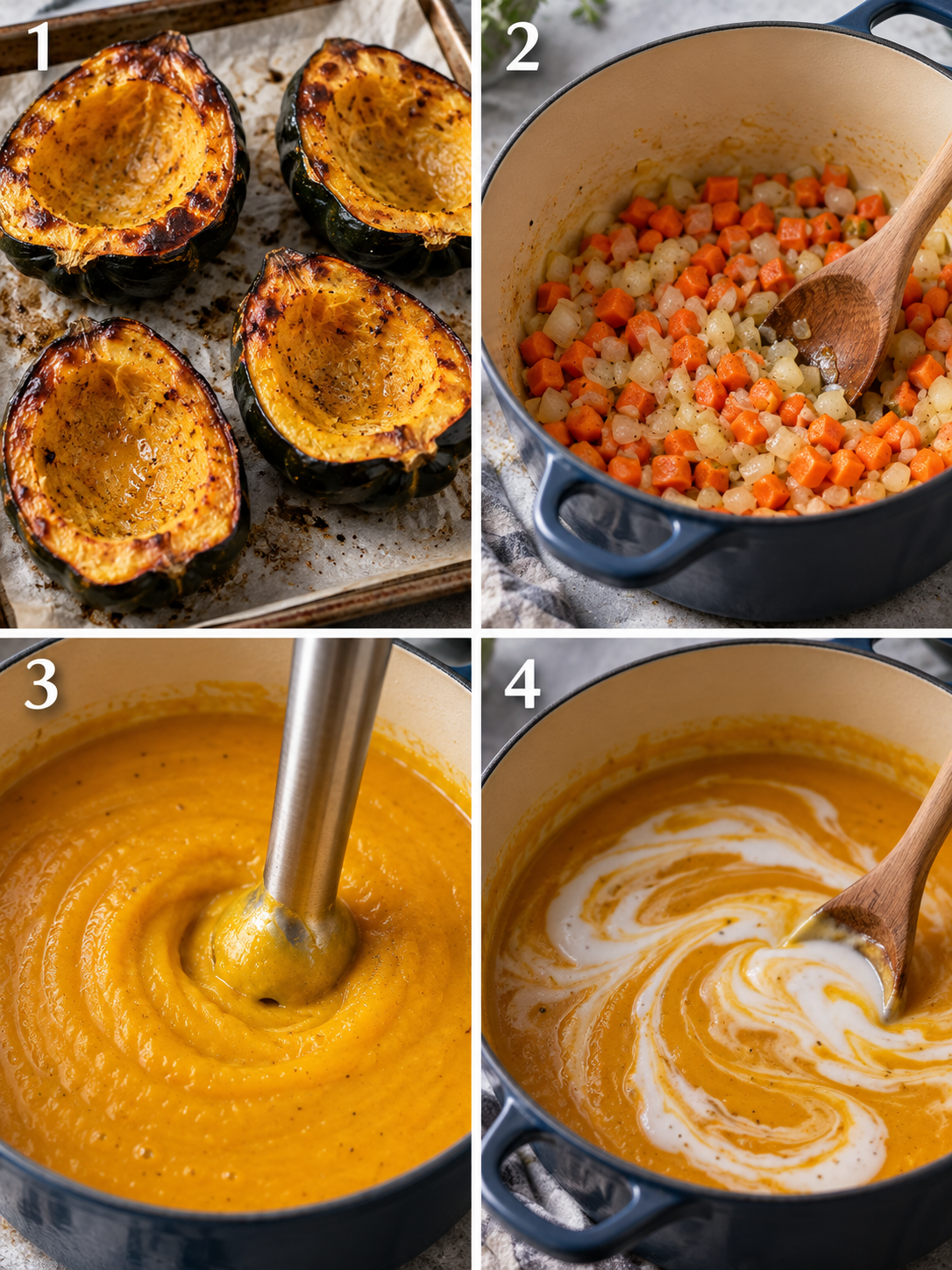
Preheat your oven to 400°F (200°C) and line a large rimmed baking sheet with parchment paper to prevent sticking and ease cleanup. Using a heavy chef’s knife, trim a thin sliver off the stem and blossom ends of each acorn squash to create stable, flat surfaces. Slice the squashes in half lengthwise, then use a sturdy metal spoon to scrape away the seeds and stringy pulp.
Brush the exposed flesh evenly with 1/2 tablespoon of the olive oil. Arrange the squash halves cut-side down on the lined baking sheet. Roasting them cut-side down traps moisture inside the cavity while creating deep golden caramelization where the flesh directly contacts the hot pan. Roast for 40 to 50 minutes. The squash is properly cooked when the skin visibly sags and a small paring knife slides into the thickest part of the flesh with zero resistance.
2. Scoop the Tender Flesh
Remove the baking sheet from the oven and allow the squash halves to sit undisturbed for roughly 10 minutes until they are cool enough to handle safely. Using a large kitchen spoon, gently separate and scoop the soft roasted flesh away from the papery outer skin into a bowl. Discard the empty skins.
3. Build the Savory Aromatics
Set a large Dutch oven or heavy-bottomed stockpot over medium heat and warm the remaining 1.5 tablespoons of olive oil. Add the finely diced yellow onion and chopped carrots. Sauté the vegetables for 8 to 10 minutes, stirring periodically with a wooden spatula. You want the onions to turn soft and translucent and the carrots to lose their raw snap without browning heavily.
Stir in the minced garlic and cook for exactly 60 seconds, moving it constantly around the pot until fragrant. Garlic burns quickly over direct heat, so keep your flame steady.
4. Simmer the Soup Base
Tumble the scooped roasted squash flesh into the pot along with the low-sodium vegetable broth, pure maple syrup, ground nutmeg, cayenne pepper, sea salt, cracked black pepper, and whole thyme sprigs. Stir thoroughly, scraping along the bottom of the pot to incorporate any caramelized aromatics.
Turn the heat up to medium-high and bring the liquid to a gentle, bubbling simmer. Immediately reduce the heat to low, cover the pot tightly with its lid, and let the mixture simmer gently for 15 to 20 minutes. This simmering window softens the carrots entirely and allows the woody thyme and warm spices to thoroughly infuse the broth.
5. Blend to a Velvety Finish
Turn off the heat. Uncover the pot and locate the thyme sprigs; lift them out using tongs and discard them.
Submerge an immersion blender completely into the liquid, resting the blade guard flat against the bottom of the pot. Blend in a smooth, circular motion on medium-high speed for 2 to 3 minutes until the soup transforms into an ultra-smooth, uniform purée. If using a countertop blender instead, process the soup in small, controlled batches, filling the pitcher no more than halfway each time. Always remove the center cap from the blender lid and drape a folded kitchen towel over the opening to let expanding steam escape safely while blending.
6. Finish with Cream and Garnish
Return the blended soup to low heat. Pour in the heavy coconut cream and whisk gently to integrate it completely. Let the soup warm through for an additional 2 to 3 minutes without bringing it to a rapid boil. Taste a spoonful and adjust the seasoning with an extra pinch of salt or a crack of black pepper if desired.
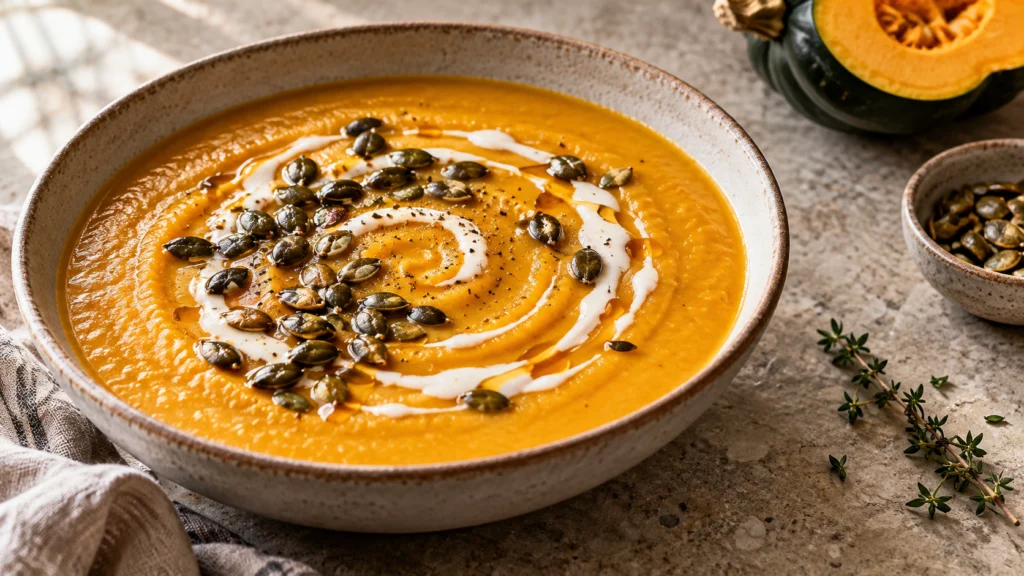
Ladle the warm soup into shallow serving bowls. Scatter toasted pepitas generously across the center of each portion, followed by a faint drizzle of pure maple syrup or a few drops of extra virgin olive oil. Serve piping hot.
For more comforting bowls to add to your seasonal menu, explore our Easy Soup Recipes collection, or prepare a batch of our Creamy Hamburger Potato Soup for an equally satisfying, family-friendly dinner.
Expert Chef Tips & Troubleshooting
- Check Roasting Doneness by Feel: Never rely strictly on a timer for winter squash. Moisture levels vary significantly among individual squashes. Always test doneness by piercing the thickest part of the flesh through the skin with a fork or paring knife; it should yield like softened butter.
- Dialing in the Viscosity: Starch levels in acorn squashes fluctuate. If your purée feels thicker than desired after blending, gradually pour in an extra 1/2 cup of warm vegetable broth until you reach a pourable, velvety consistency. Conversely, if the soup turns out thinner than you prefer, leave the lid off and let it simmer gently on low heat for 5 to 8 minutes to reduce down naturally before adding the coconut cream.
- Taming Excess Sweetness: Because roasted acorn squash contains natural fructose and the recipe includes maple syrup, squashes harvested late in the season can sometimes taste intensely sweet. If your finished soup leans too far toward dessert, stir in 1 teaspoon of raw apple cider vinegar or fresh lemon juice. The crisp acidity immediately cuts through the sugar and brings the savory garlic and onion back into sharp focus.
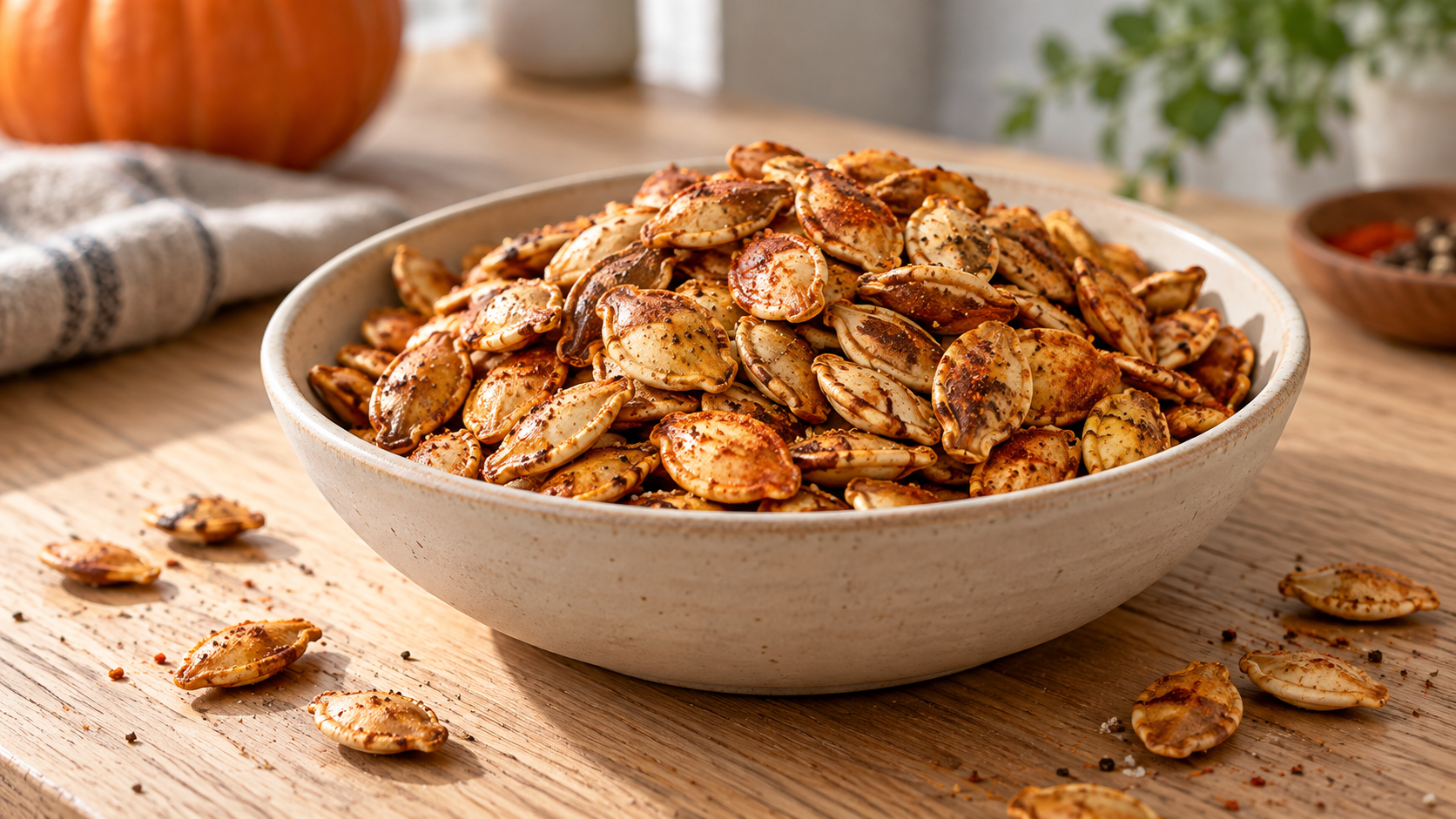
- Toasting Pepitas for Maximum Crunch: Raw pumpkin seeds can feel tough in a smooth soup. Toast them beforehand in a small, dry skillet over medium-low heat for 3 to 4 minutes, shaking the pan continuously until they turn lightly golden and begin to pop. Let them cool completely before sprinkling onto the hot soup so they retain their crisp texture.
Storage, Make-Ahead & Reheating
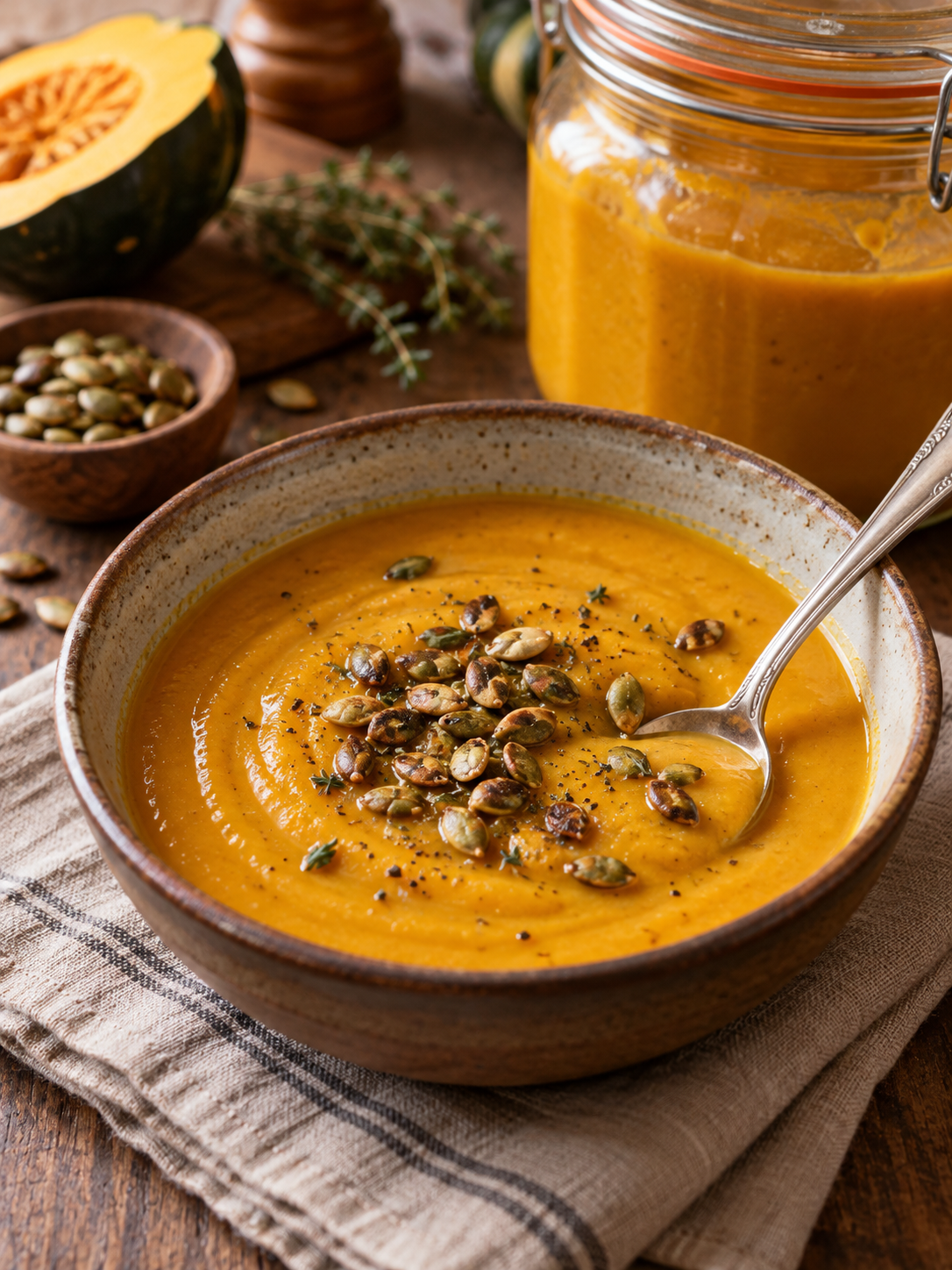
To maintain safety and quality, cool the cooked soup down quickly before packing it away. Follow standard food safety guidelines for leftovers by transferring warm soup into shallow storage containers within two hours of cooking so it chills rapidly in the refrigerator.
- Refrigeration: Store the cooled soup in airtight glass or BPA-free plastic containers in the refrigerator for up to 4 days. As the starch settles, the soup will naturally thicken in cold storage.
- Freezing: Acorn squash soup freezes well, especially when made with coconut cream, which resists separation during thawing far better than dairy milk. Leave at least 1/2 inch of headspace in freezer-safe jars or bags to accommodate liquid expansion. Freeze for up to 3 months. For detailed timelines on preserving vegetable purées, consult official cold food storage guidelines.
- Reheating: Thaw frozen soup in the refrigerator overnight. Reheat gently in a saucepan set over medium-low heat, whisking occasionally until steaming and heated through to an internal temperature of at least 165°F (74°C). Whisk in a splash of water or vegetable broth to loosen the texture if the starches tightened up in storage. You can also reheat individual portions in the microwave on medium power in 60-second increments, stirring between intervals.
Serving Suggestions & Pairings
This silky soup works exceptionally well as a standalone light lunch or as the opening course for a larger autumnal dinner. Pair a steaming bowl with a slice of warm, crusty sourdough bread, toasted garlic focaccia, or warm flatbread brushed with olive oil to swipe up every drop from the bottom of the bowl.
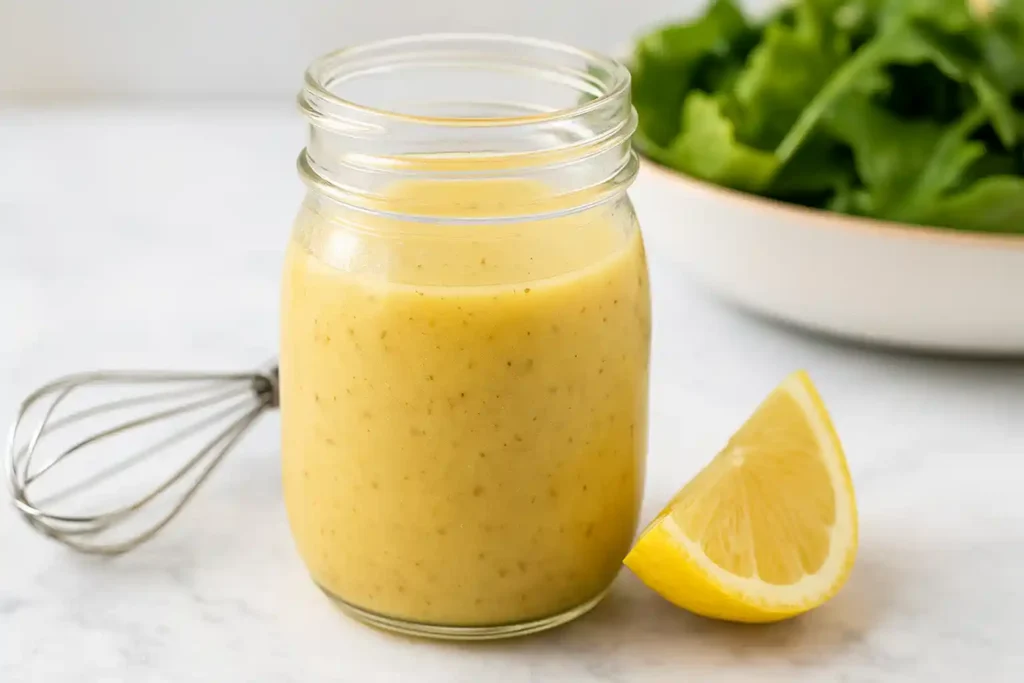
If you are serving this soup as a main meal and want to round out the table, accompany it with a crisp green salad featuring peppery arugula, thinly sliced crisp apples, shaved fennel, and a tangy apple cider vinaigrette. The sharp, peppery greens and acid from the dressing create a refreshing counterpoint to the velvety, rich squash purée.
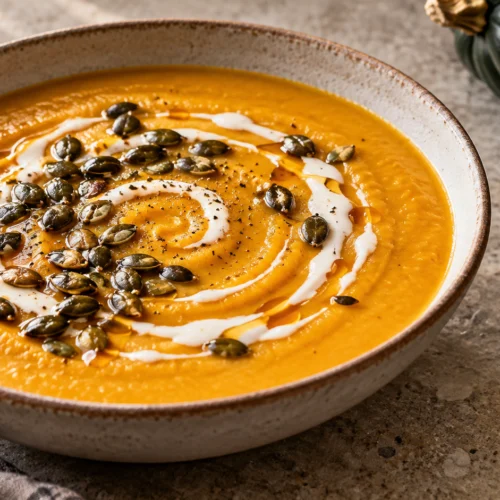
Acorn Squash Soup

Equipment
- Large baking sheet
- Dutch oven or heavy-bottomed pot
- Immersion blender
Ingredients
Acorn Squash
- 2 medium acorn squashes
Aromatics
- 2 tablespoons extra virgin olive oil
- 1 large yellow onion diced
- 2 medium carrots peeled and chopped
- 4 cloves garlic minced
Liquid
- 4 cups low-sodium vegetable broth
- 1 tablespoon pure maple syrup
Spices
- 1/2 teaspoon ground nutmeg
- 1/4 teaspoon cayenne pepper
- 1 teaspoon sea salt
- 1/2 teaspoon cracked black pepper
Cream
- 1/2 cup heavy coconut cream
- 2 sprigs fresh thyme
- 1/4 cup toasted pepitas for garnish
Instructions
- Preheat your oven to 400°F (200°C) and line a large baking sheet with parchment paper.
- Brush the flesh of the halved acorn squashes with 1/2 tablespoon of olive oil. Place them cut-side down on the prepared baking sheet and roast for 40 to 50 minutes, or until the skin is easily pierced with a fork and the flesh is tender.
- Remove the squash from the oven and let it cool for 10 minutes. Use a large spoon to scoop the roasted flesh out of the skins into a bowl; discard the skins.
- In a large Dutch oven or heavy-bottomed pot, heat the remaining 1.5 tablespoons of olive oil over medium heat. Add the diced onion and carrots, sautéing for 8 to 10 minutes until the onions are translucent and the carrots have softened.
- Add the minced garlic to the pot and cook for 60 seconds until fragrant, being careful not to burn it.
- Add the roasted squash flesh, vegetable broth, maple syrup, nutmeg, cayenne pepper, salt, black pepper, and thyme sprigs to the pot.
- Bring the liquid to a gentle boil, then reduce the heat to low. Cover and simmer for 15 to 20 minutes to allow the flavors to fully integrate.
- Remove and discard the thyme sprigs. Use an immersion blender to purée the soup until it reaches a velvety, smooth consistency. If using a standard blender, work in small batches and vent the lid to allow steam to escape.
- Stir in the coconut cream and simmer for an additional 2 to 3 minutes on low heat until the soup is rich and heated through.
- Ladle the soup into bowls and garnish with toasted pepitas and a small drizzle of maple syrup if desired. Serve immediately.
Notes
- Calories: 245
- Protein: 4g
- Carbohydrates: 31g
- Fat: 14g
- Saturated fat: 8g
- Cholesterol: 0mg
- Sodium: 590mg
- Potassium: 320mg
- Fiber: 6g
- Sugar: 10g
- Vitamin A: 850 IU
- Vitamin C: 35mg
- Calcium: 40mg
- Iron: 2.1mg
Frequently Asked Questions
Do I need to peel the acorn squash before roasting?
No, peeling raw acorn squash is difficult and hazardous due to its deeply ribbed, tough exterior. Roasting the squash cut-side down in its skin softens the flesh completely, allowing you to easily scrape it away with a spoon in seconds while leaving the skin behind.
How can I make acorn squash easier and safer to cut?
Acorn squash skins are dense and slippery under a knife blade. To make cutting effortless, pierce the whole squash in two or three spots with the tip of a knife and microwave it on high for 1 to 2 minutes. This gently relaxes the fibrous rind, letting your chef’s knife slice straight through down the center without wedging or slipping.
What are the best protein-rich toppings for this soup?
To transform this light soup into a hearty meal, crown each bowl with crispy cooked beef bacon bits, pan-seared sliced chicken sausage, or crumbled turkey bacon. If you prefer a plant-based addition, roasted spiced chickpeas or hemp hearts offer a crunchy texture and complementary nutty flavor.
How do I prevent the soup from tasting too sweet?
If your squash has a high sugar content, balance the flavor profile by skipping the maple syrup and adding 1 teaspoon of fresh lemon juice or unfiltered apple cider vinegar right after blending. You can also increase the minced garlic or add an extra pinch of savory ground cumin and cayenne to tilt the overall profile toward deep savory warmth.