
Butternut squash risotto is a delicious and comforting dish perfect for the fall and winter seasons. This recipe for butternut squash risotto without wine is a great alternative for those who prefer not to cook with alcohol or are looking for a halal-friendly version. You’ll love this recipe because it’s easy to make, flavorful, and can be customized to suit your dietary needs. Whether you’re a vegetarian, vegan, or just looking for a hearty meal, this butternut squash risotto is a great option.
Table of Contents
Why You’ll Love This Recipe
- It’s a halal-friendly version of the classic risotto recipe
- It’s easy to make and requires minimal ingredients
- It’s customizable to suit your dietary needs
- It’s a delicious and comforting dish perfect for the fall and winter seasons
Key Ingredients & Substitutions
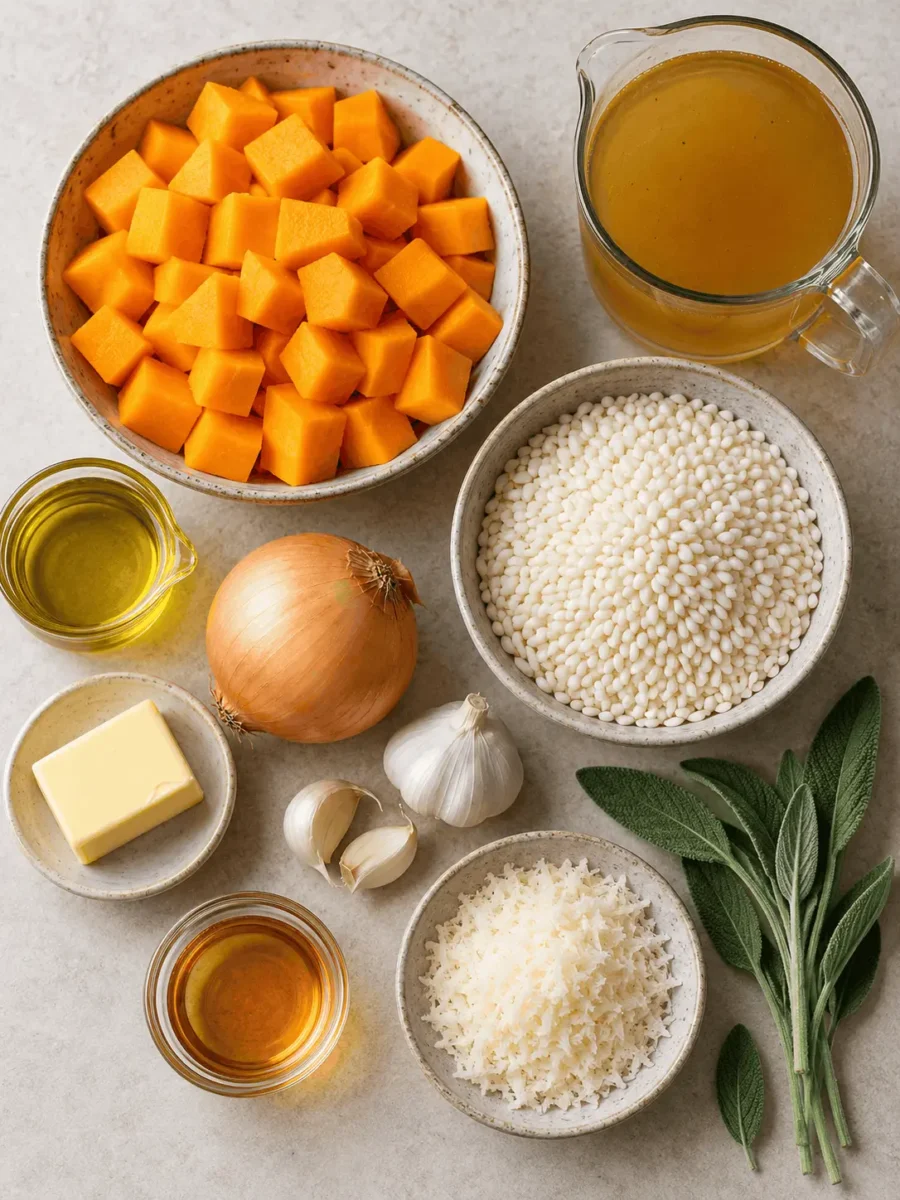
To make this butternut squash risotto without wine, you’ll need the following ingredients:
- 3 cups butternut squash, peeled and cut into 1/2-inch cubes
- 2 tablespoons olive oil
- 1 tablespoon unsalted butter
- 1 medium yellow onion, finely diced
- 3 cloves garlic, minced
- 1.5 cups Arborio rice
- 6 cups vegetable broth
- 1 tablespoon apple cider vinegar
- 1/2 cup grated Parmesan cheese
- 2 tablespoons fresh sage, finely chopped
- 1/2 teaspoon kosher salt
- 1/4 teaspoon ground black pepper
If you’re looking for substitutions, you can try using different types of squash, such as honeynut or acorn squash, for a variation in flavor and texture. You can also use dairy-free broth and cheese alternatives to make the dish vegan-friendly.
Step-by-Step Instructions
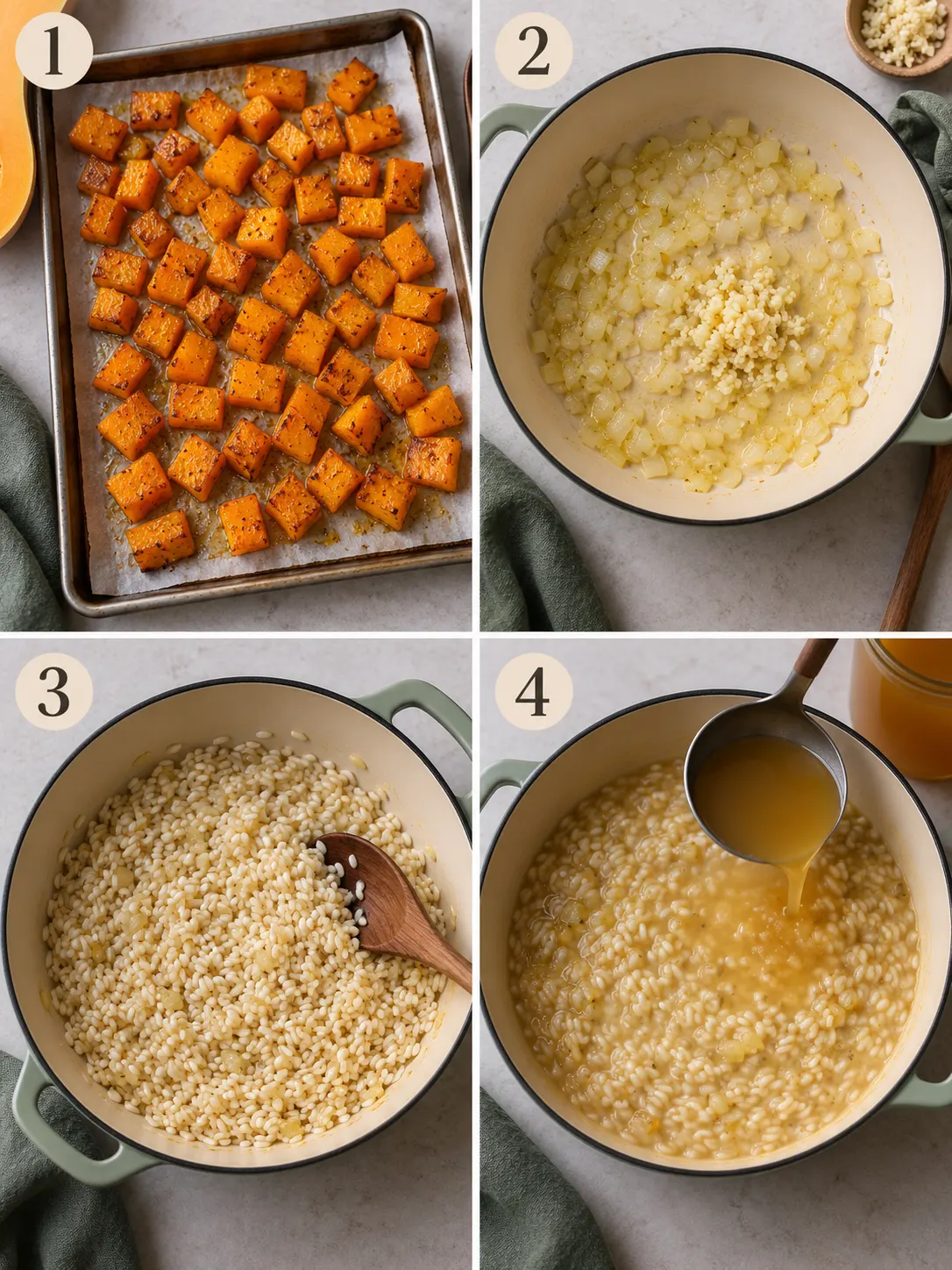
1. Preheat your oven to 400°F (200°C). On a large baking sheet, toss the cubed butternut squash with 1 tablespoon of olive oil and a pinch of salt. Roast for 20 to 25 minutes until the squash is tender and the edges are lightly caramelized.
2. While the squash is roasting, pour the vegetable broth into a medium saucepan and bring to a low simmer over medium-low heat. Keep the broth warm throughout the entire cooking process.
3. In a large heavy-bottomed pot or Dutch oven, heat the remaining 1 tablespoon of olive oil and the butter over medium heat until the butter is melted and foamy.
4. Add the diced onion to the pot and sauté for 5 to 6 minutes, stirring occasionally, until translucent and soft. Add the minced garlic and cook for 1 minute more until fragrant.
5. Add the Arborio rice to the pot. Stir constantly for 2 to 3 minutes to toast the grains. The rice is ready when the edges of the grains look translucent while the center remains opaque.
6. Stir in the apple cider vinegar to deglaze the pan, scraping up any browned bits from the bottom. Continue stirring until the liquid has been fully absorbed by the rice.
7. Add one ladleful (about 1/2 cup) of the warm vegetable broth to the rice. Stir frequently and gently. Wait until the broth is almost completely absorbed before adding the next ladleful.
8. Continue adding broth one ladle at a time, stirring frequently. This process should take about 20 to 25 minutes. The risotto is finished when the rice is creamy and tender but still has a slight firm bite (al dente). You may not need all 6 cups of broth.
9. Once the rice reaches the desired consistency, remove the pot from the heat. Gently fold in the roasted butternut squash, grated Parmesan cheese, and chopped fresh sage.
10. Season the risotto with salt and ground black pepper to taste. Serve immediately in warm bowls, garnished with extra Parmesan or sage if desired.
For more recipe ideas, you can check out our Chicken Salad Sandwich Without Celery or Creamy Hamburger Potato Soup recipes. You can also try our Chicken Rice Bowl for a different twist on a classic dish.
Expert Chef Tips & Troubleshooting
To achieve the perfect creamy texture in your butternut squash risotto, make sure to stir constantly and add the broth one ladle at a time. This will help to break down the starches in the Arborio rice and create a creamy consistency. If you’re having trouble getting the right texture, try checking the heat level and adjusting it as needed. You can also try adding a little more broth or stirring more frequently to achieve the desired consistency.
When it comes to food safety, it’s essential to handle and store your ingredients properly. Make sure to follow official guidance on safe minimum internal temperatures for your ingredients and cook them to the recommended temperature. You can also follow official guidance on USDA nutritional profile for more information on the nutritional content of your ingredients.
Storage, Make-Ahead & Reheating

To store your butternut squash risotto, let it cool completely and then refrigerate or freeze it. You can reheat it in the microwave or on the stovetop, adding a little more broth if needed to achieve the right consistency.

Butternut Squash Risotto Without Wine

Equipment
- Large heavy-bottomed pot or Dutch oven
- Medium saucepan
- Large baking sheet
Ingredients
Butternut squash
- 3 cups butternut squash, peeled and cut into 1/2-inch cubes
Olive oil
- 2 tablespoons olive oil
Unsalted butter
- 1 tablespoon unsalted butter
Yellow onion
- 1 medium yellow onion, finely diced
Garlic
- 3 cloves garlic, minced
Arborio rice
- 1.5 cups Arborio rice
Vegetable broth
- 6 cups vegetable broth
Apple cider vinegar
- 1 tablespoon apple cider vinegar
Parmesan cheese
- 0.5 cup Parmesan cheese, grated
Fresh sage
- 2 tablespoons fresh sage, finely chopped
Kosher salt
- 0.5 teaspoon kosher salt
Ground black pepper
- 0.25 teaspoon ground black pepper
Instructions
- Preheat your oven to 400°F (200°C). On a large baking sheet, toss the cubed butternut squash with 1 tablespoon of olive oil and a pinch of salt. Roast for 20 to 25 minutes until the squash is tender and the edges are lightly caramelized.
- While the squash is roasting, pour the vegetable broth into a medium saucepan and bring to a low simmer over medium-low heat. Keep the broth warm throughout the entire cooking process.
- In a large heavy-bottomed pot or Dutch oven, heat the remaining 1 tablespoon of olive oil and the butter over medium heat until the butter is melted and foamy.
- Add the diced onion to the pot and sauté for 5 to 6 minutes, stirring occasionally, until translucent and soft. Add the minced garlic and cook for 1 minute more until fragrant.
- Add the Arborio rice to the pot. Stir constantly for 2 to 3 minutes to toast the grains. The rice is ready when the edges of the grains look translucent while the center remains opaque.
- Stir in the apple cider vinegar to deglaze the pan, scraping up any browned bits from the bottom. Continue stirring until the liquid has been fully absorbed by the rice.
- Add one ladleful (about 1/2 cup) of the warm vegetable broth to the rice. Stir frequently and gently. Wait until the broth is almost completely absorbed before adding the next ladleful.
- Continue adding broth one ladle at a time, stirring frequently. This process should take about 20 to 25 minutes. The risotto is finished when the rice is creamy and tender but still has a slight firm bite (al dente). You may not need all 6 cups of broth.
- Once the rice reaches the desired consistency, remove the pot from the heat. Gently fold in the roasted butternut squash, grated Parmesan cheese, and chopped fresh sage.
- Season the risotto with salt and ground black pepper to taste. Serve immediately in warm bowls, garnished with extra Parmesan or sage if desired.
Notes
- Calories: 460
- Protein: 11g
- Carbohydrates: 74g
- Fat: 14g
- Saturated fat: 5g
- Cholesterol: 10mg
- Sodium: 400mg
- Potassium: 500mg
- Fiber: 5g
- Sugar: 6g
- Vitamin A: 200 IU
- Vitamin C: 20mg
- Calcium: 10mg
- Iron: 2mg
Frequently Asked Questions
Can I make butternut squash risotto without white wine, and what can I substitute it with?
You can make butternut squash risotto without white wine. If you choose to omit the wine or need a substitute, you can use an additional 1/2 cup of vegetable broth or try using a non-alcoholic ingredient like apple juice or white grape juice to add a touch of sweetness and depth to the dish.
How do I achieve the perfect creamy texture in my butternut squash risotto?
Achieving the perfect creamy texture in butternut squash risotto involves constant stirring and adding the vegetable broth one ladle at a time, allowing each portion to be fully absorbed before adding the next. This process helps to break down the starches in the Arborio rice, creating a creamy consistency.
What are some variations or substitutions I can make to the butternut squash risotto recipe to cater to different dietary needs?
To cater to different dietary needs, you can make several variations to the butternut squash risotto recipe. For a vegan version, you can omit the Parmesan cheese or substitute it with a dairy-free alternative. You can also use a dairy-free broth and ensure that all the ingredients, including any added oils or seasonings, are vegan-friendly. For a gluten-free version, ensure that the broth and any additional ingredients are gluten-free.
How can I serve butternut squash risotto to make it a complete and satisfying meal?
Butternut squash risotto can be served as a main dish or as a side. To make it a complete meal, consider pairing it with a protein source like grilled chicken, beef, or tofu, and a side salad or steamed vegetables. The risotto’s creamy texture and the sweetness of the butternut squash pair well with a variety of flavors, allowing you to be creative with your pairings.