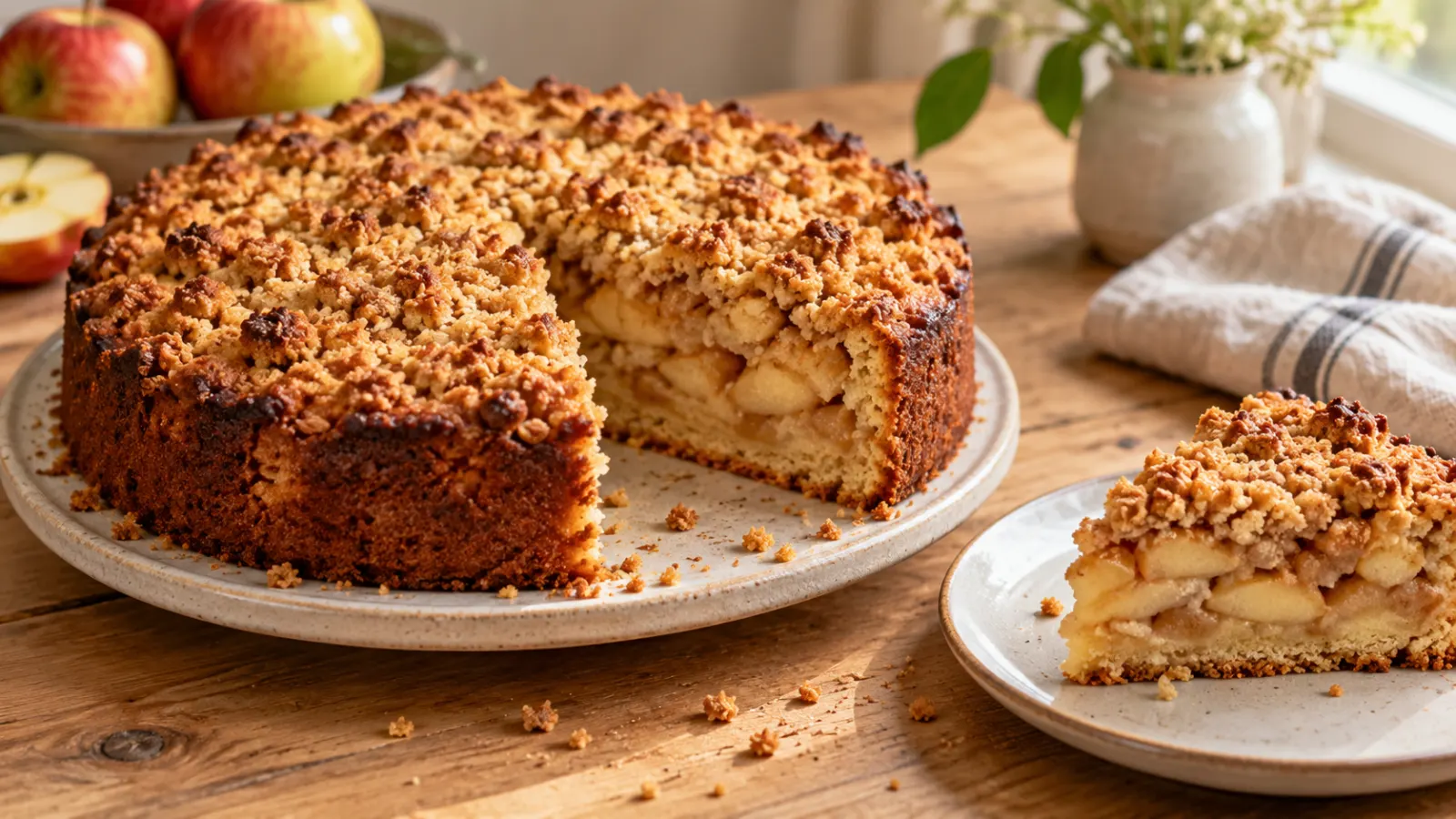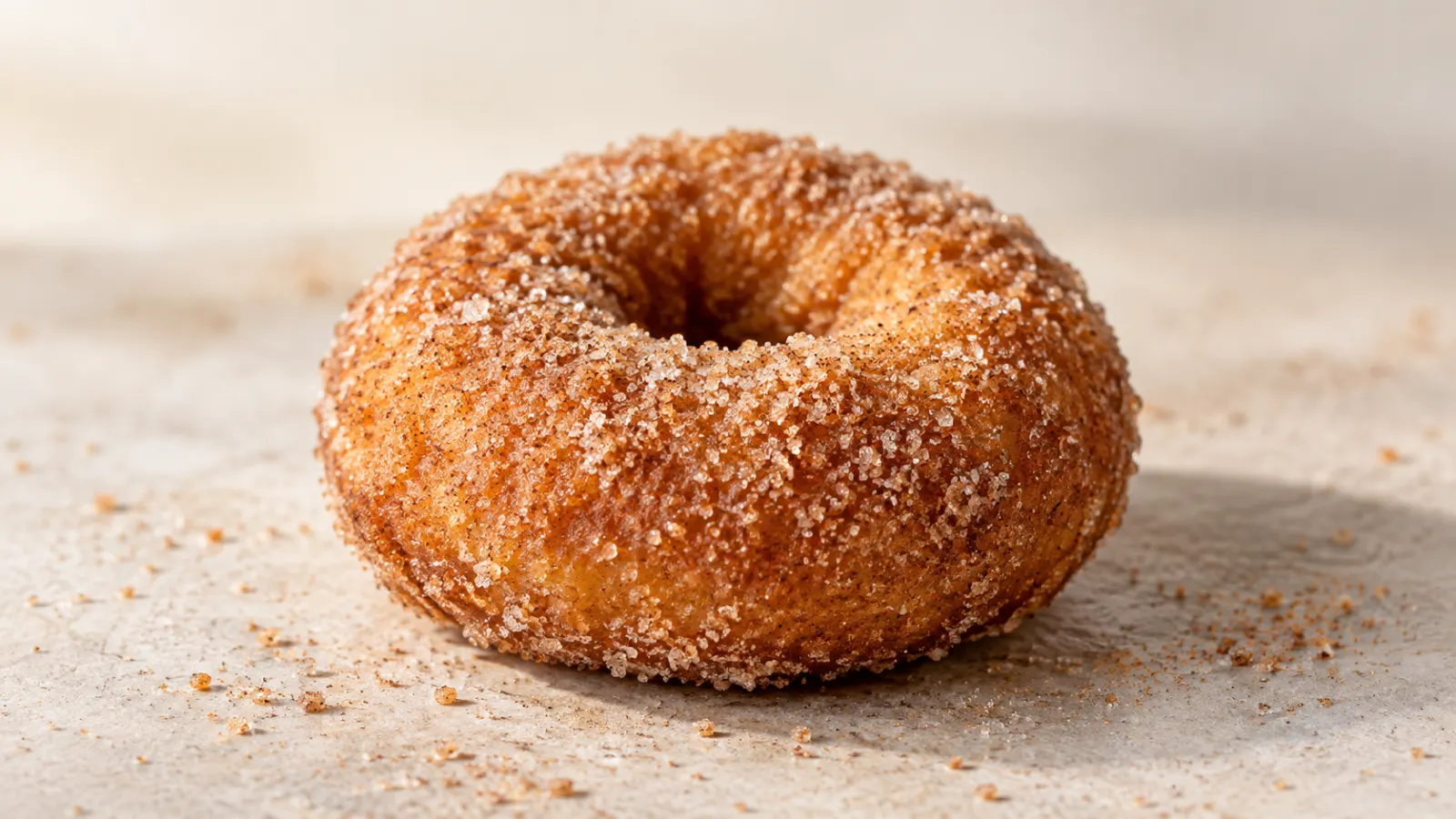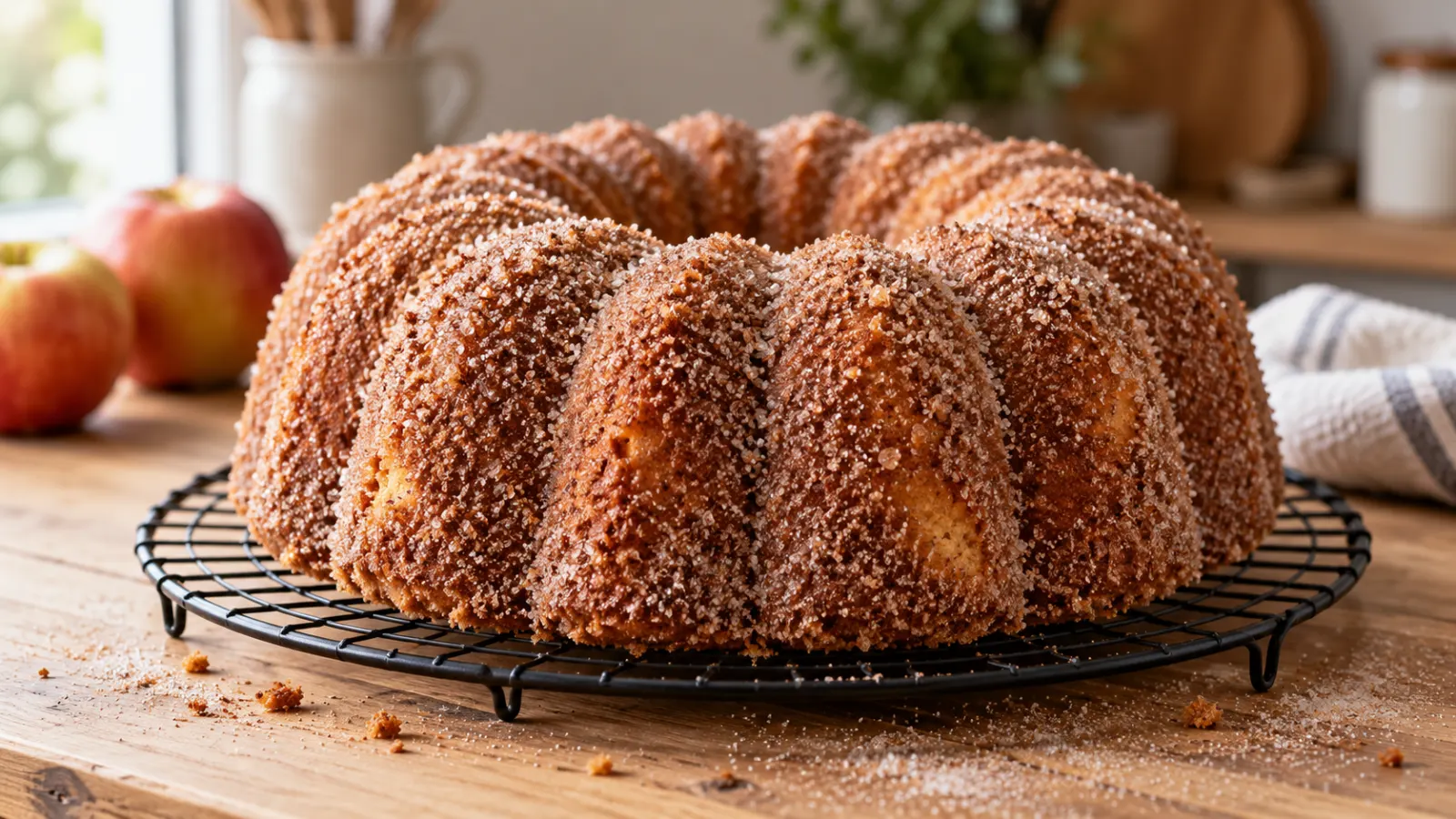
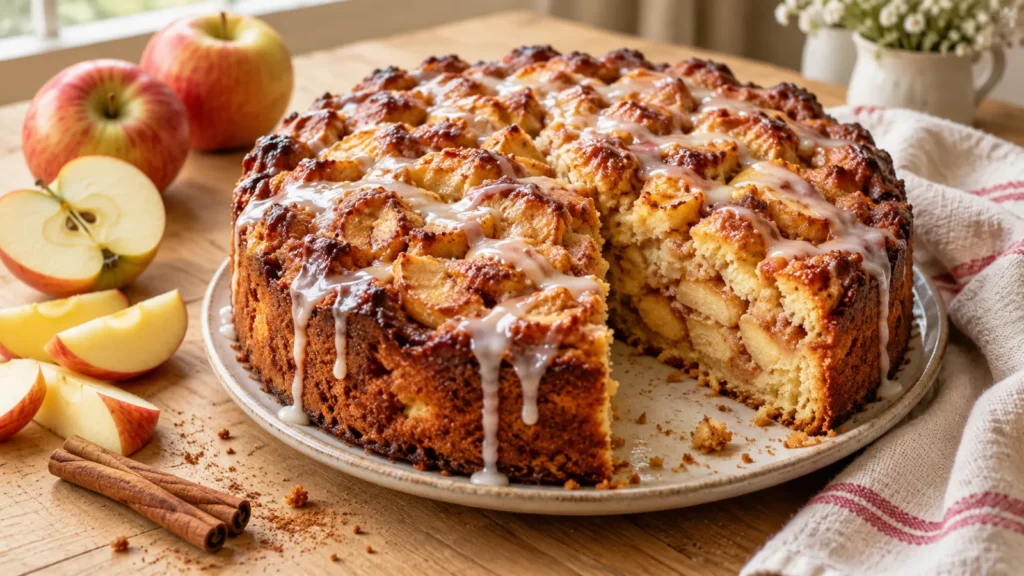
Apple fritters are a bakery classic, prized for their caramelized edges, spiced fruit pockets, and crackly sugar coating. This Apple Fritter Cake captures those distinct textures and flavors in an accessible sheet-cake format. Instead of deep-frying individual portions of dough in hot oil, you layer a tender, buttery crumb with warm, skillet-softened cinnamon apples and finish the surface with a glossy vanilla glaze.
The recipe is built for casual weekend brunches, autumn gatherings, or an afternoon dessert with coffee. Baking the cake in a 9×13-inch pan yields enough servings for a crowd while keeping assembly uncomplicated. By precooking the fruit before it meets the batter, you ensure concentrated apple flavor and an ideal crumb structure that stays soft for days without turning soggy.
Table of Contents
Why You’ll Love This Recipe
- Pre-cooking the diced fruit removes excess water, preventing a wet, gummy layer beneath the apples.
- The reverse-creaming method produces an ultra-tender crumb that stays soft and slices cleanly.
- A warm brown sugar and cinnamon coating creates rich caramel notes that mirror traditional fried fritters.
- The simple confectioners’ sugar glaze sets into a delicate crackle that seals in moisture.
Key Ingredients & Substitutions
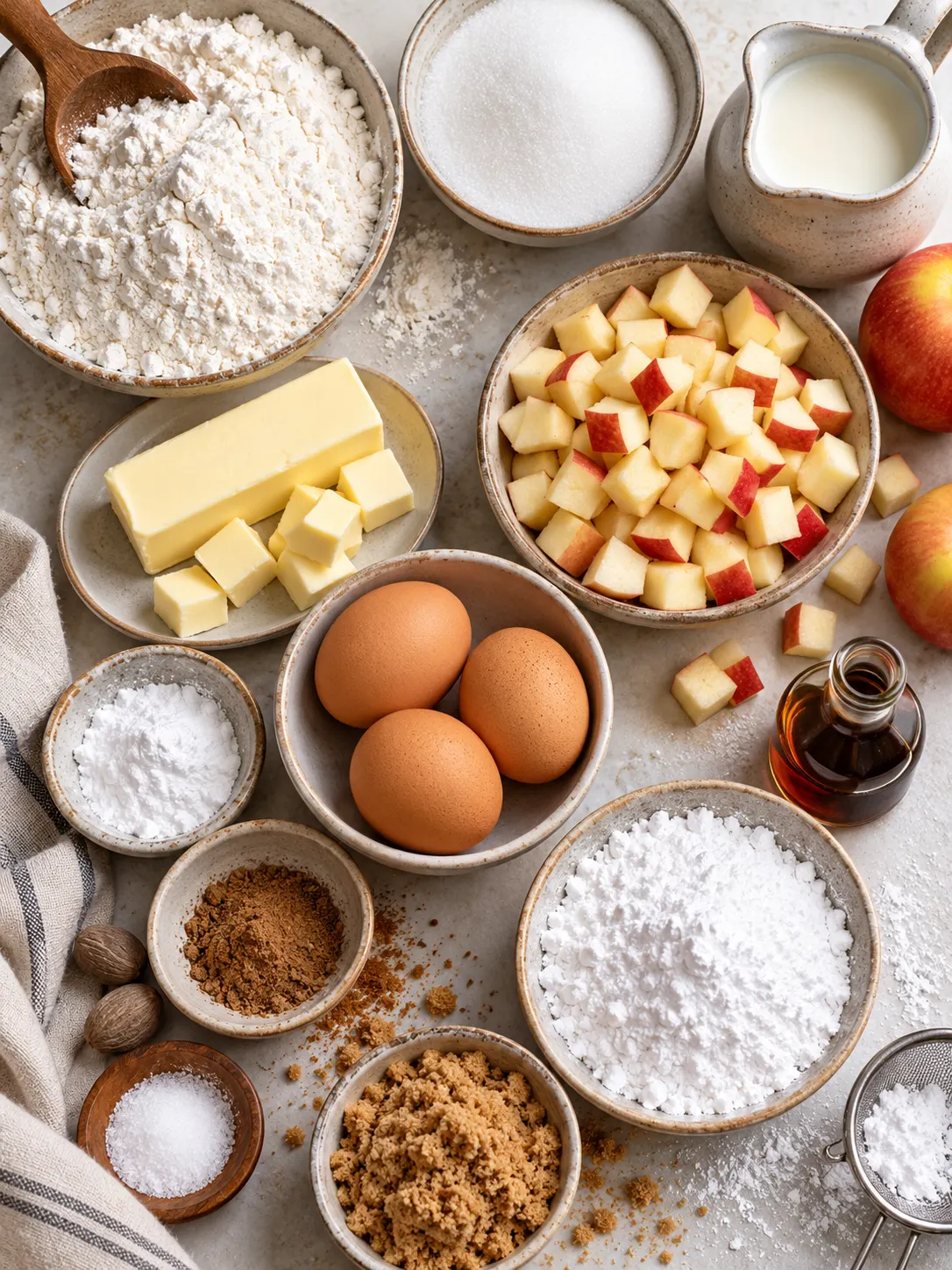
Every component in this recipe plays a specific structural or flavor role. Understanding how these elements interact helps ensure consistent baking results.
- All-Purpose Flour (2 1/4 cups): Provides balanced structure. Standard unbleached all-purpose flour gives enough gluten support to hold up the fruit without turning tough.
- Granulated Sugar (1 cup): Sweetens the base cake batter and aerates the crumb when worked with the butter.
- Unsalted Butter (12 tablespoons, room temperature, plus 2 tablespoons for the apples): The room-temperature butter coats the flour granules during the initial mixing phase, limiting gluten formation for a fine, melt-in-your-mouth crumb. The separate 2 tablespoons sauté the fruit, creating a buttery syrup.
- Milk (3/4 cup): Hydrates the batter. Whole milk provides the best richness, though 2% works reliably. If you prefer a slightly tangier crumb with more moisture, you can replace the milk with an equal volume of whole-milk sour cream or plain Greek yogurt.
- Large Eggs (3): Supply emulsifiers, liquid, and structure to set the cake evenly during its long bake.
- Baking Powder (2.5 tsp): Gives the dense, buttery batter enough lift to rise around the fruit topping.
- Salt (1 tsp): Sharpens the sweet profile and tempers the rich brown sugar glaze.
- Ground Nutmeg or Allspice (1/4 tsp): Adds depth to the batter itself, echoing the warm spices found in classic bakery fritter dough.
- Fresh Apples (3.5 cups, diced into 1/2-inch pieces): Firm, crisp varieties that retain their shape under heat are necessary here. Honeycrisp, Granny Smith, or Braeburn hold up exceptionally well during both the stovetop reduction and the extended oven time. Softer baking apples, such as McIntosh, break down into sauce too quickly and should be avoided.
- Dark or Light Brown Sugar (1/2 cup): Melts alongside butter and ground cinnamon to coat the diced apples in a thick caramel glaze.
- Ground Cinnamon (1.5 tsp): Imparts the warm spice signature of classic fritters.
- Alcohol-Free Vanilla Extract (0.5 tsp for batter, 0.5 tsp for glaze): Adds an aromatic floral backbone that ties the fruit and sugar together.
- Confectioners’ Sugar (3/4 cup): Dissolves smoothly with milk to create an opaque, drizzling glaze.
- Glaze Milk (1.5 to 3 tbsp): Thins the confectioners’ sugar. Start with 1.5 tablespoons and add more drop by drop until you reach a pourable, ribbon-like consistency.
If you enjoy fruit-forward bakes and morning sweets, explore our Tropical Mango Pancakes or cool down later with Frozen Cheesecake Pops.
Step-by-Step Instructions
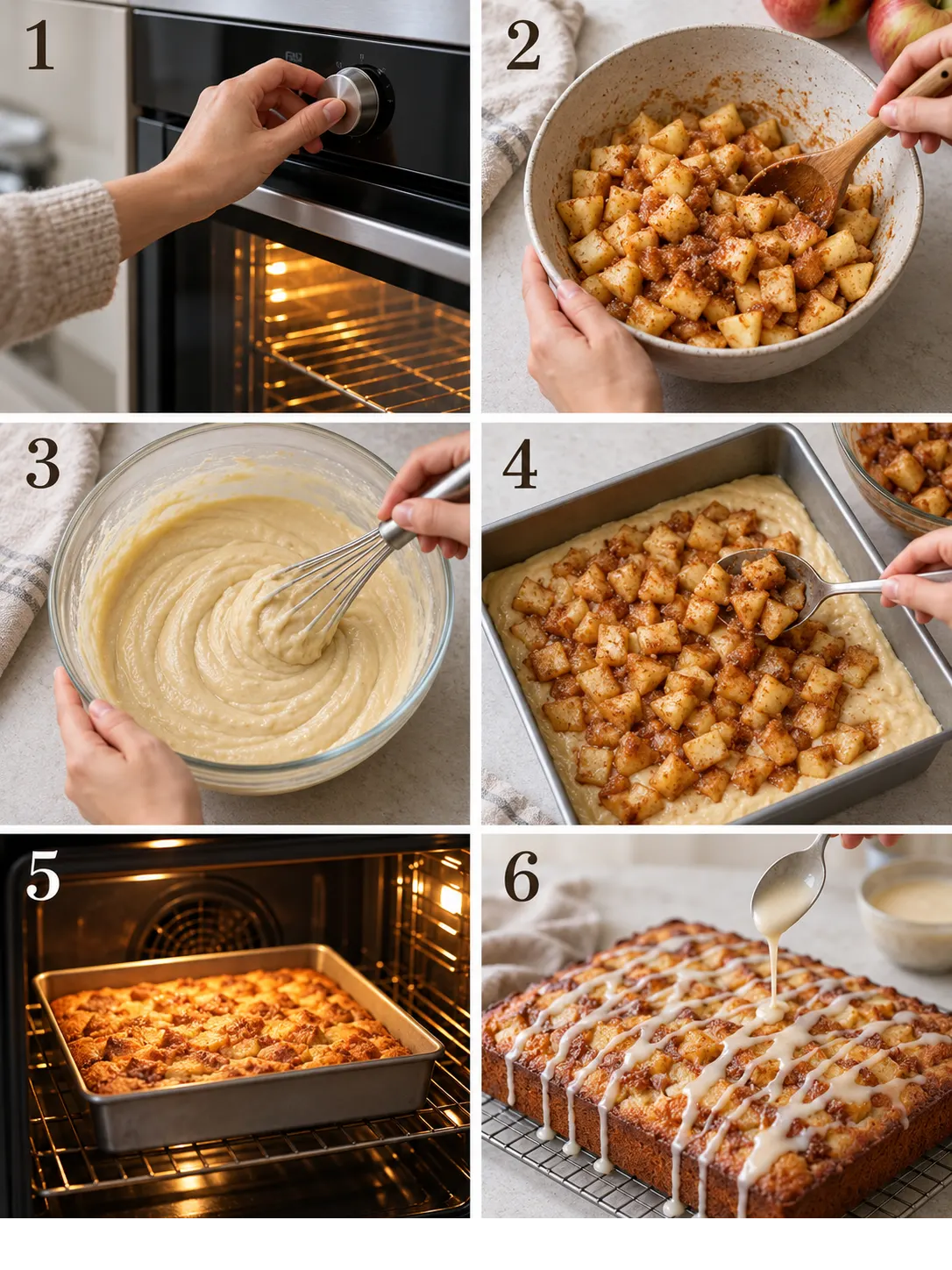
Careful timing and proper temperature management will yield a moist cake with clearly defined apple ribbons.
1. Preparation and Oven Setup
Preheat your oven to 350°F (175°C). Position an oven rack in the center position to promote even browning. Line a 9×13-inch metal baking pan with parchment paper, leaving a small overhang on the sides for easy lifting later. Alternatively, butter and lightly flour the pan, tapping out any excess flour.
2. Sauté the Cinnamon Apples
Melt 2 tablespoons of butter in a large skillet over medium heat. Add the 3.5 cups of diced apples, 1.5 teaspoons of ground cinnamon, and 1/2 cup of brown sugar. Stir continuously as the sugar melts into a bubbling syrup. Cook for 6 to 8 minutes, allowing the apples to release their natural juices. Continue simmering until that liquid reduces significantly, coating the fruit in a thick, sticky sauce. Remove the skillet from heat and let the mixture cool slightly while preparing the batter.
3. Blend the Dry Ingredients and Butter
In a large mixing bowl or the bowl of a stand mixer fitted with the paddle attachment, combine 2 1/4 cups of all-purpose flour, 1 cup of granulated sugar, 2.5 teaspoons of baking powder, 1/4 teaspoon of ground nutmeg (or allspice), and 1 teaspoon of salt. Mix on low speed for 30 seconds to distribute the leavening evenly. Add the 12 tablespoons of softened unsalted butter in chunks. Beat on low-to-medium speed until the butter is broken down and the mixture looks like coarse, damp sand with no large lumps remaining.
4. Incorporate the Liquid Ingredients
In a separate medium bowl or liquid measuring cup, whisk together 3/4 cup of milk, 3 large eggs, and 0.5 teaspoon of alcohol-free vanilla extract until completely smooth. Pour approximately half of the wet mixture into the dry flour-and-butter mixture. Beat on medium-low speed until the dry ingredients are moistened, then pour in the remaining liquid. Mix for an additional 45 to 60 seconds on medium speed just until a cohesive, smooth batter forms. Do not overmix; stop as soon as streaks of liquid vanish.
5. Assemble the Pan
Scrape down the sides of the bowl using a silicone spatula. Spread the thick batter evenly into the prepared 9×13-inch pan, smoothing the top toward the corners. Spoon the cooled, sticky cinnamon-apple mixture evenly across the surface of the batter. You may leave the apples resting on top or lightly draw a butter knife through the surface in wide figure-eight motions to create gentle ripples.
6. Bake to Doneness
Transfer the pan to the center rack of your preheated oven. Bake at 350°F (175°C) for 60 to 70 minutes. Because of the heavy moisture from the apples, the cake needs this extended time to cook through the middle. The cake is done when the edges are deep golden brown, the center springs back lightly when pressed, and a thin wooden skewer or toothpick inserted into the cake crumb comes out clean or with a few moist crumbs, but no wet batter.
7. Cool and Glaze
Set the baking pan on a wire cooling rack and let the cake rest undisturbed for 30 minutes. Once the structure sets, use the parchment overhang to lift the cake onto the rack, or keep it in the pan to cool completely to room temperature.
In a small mixing bowl, prepare the glaze by whisking together 3/4 cup of confectioners’ sugar, 0.5 teaspoon of alcohol-free vanilla extract, and 1.5 tablespoons of milk. If the glaze feels too thick to pour, whisk in additional milk a few drops at a time until it falls from the whisk in smooth ribbons. Drizzle the glaze generously across the cooled cake. Allow the glaze to air-dry for 15 to 20 minutes until a delicate crust forms before slicing.
Expert Chef Tips & Troubleshooting
- Control Moisture in the Skillet: The most common mistake in apple cakes is watery fruit. Apples contain significant moisture that releases upon heating. Sautéing them until the pan juices turn thick and sticky prevents that liquid from sinking into the batter, which would otherwise create a gummy ring under the fruit layer.
- Weigh or Spoon Your Flour: Scooping directly from the bag with a measuring cup packs the flour down, adding up to 20% more weight than intended. Fluff your flour with a fork, spoon it gently into the measuring cup, and level it off with a flat knife.
- Prevent Over-Browning: Because the cake bakes for 60 to 70 minutes, watch the top during the final 15 minutes. If the brown sugar on the apples begins to darken too quickly, tent a sheet of aluminum foil loosely over the pan without sealing the edges.
- Check Doneness Accurately: Insert your tester into the cake crumb itself rather than into a piece of cooked apple. Apples will always leave moisture on the tester, which can lead to misjudging doneness.
When baking dishes containing dairy and eggs, maintain good kitchen hygiene and refer to safe minimum internal temperatures for general food preparation guidance. Whenever handling, cooling, and storing cooked leftovers, align your kitchen practices with standard food safety guidelines for leftovers.
Storage, Make-Ahead & Reheating
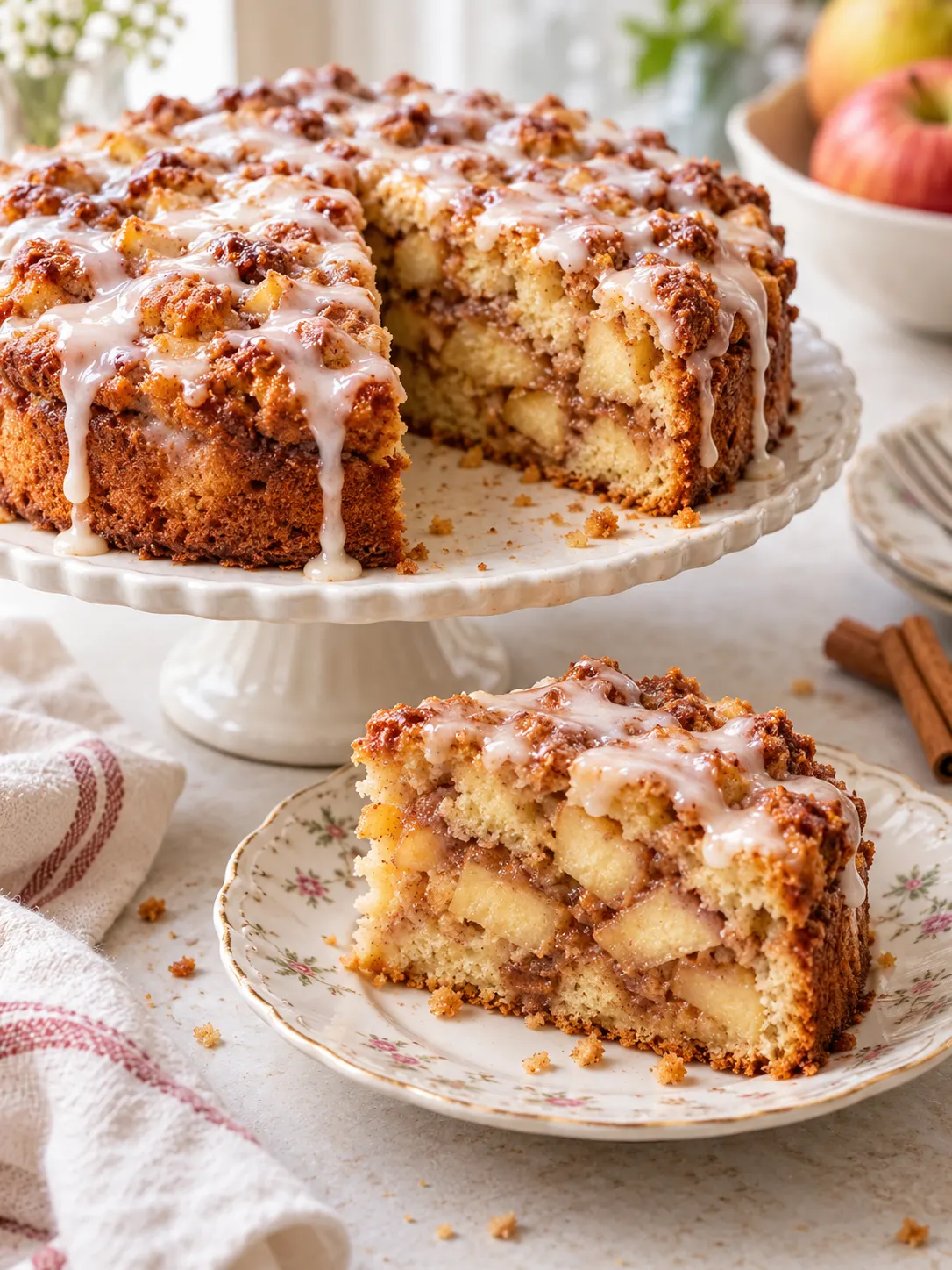
- Room Temperature Storage: Once the glaze has dried completely, cover the baking dish tightly with aluminum foil or plastic wrap. You can keep the cake at room temperature for up to 3 days. Store it in a cool, dry area away from direct sunlight so the glaze does not dissolve into the surface.
- Refrigeration: For storage beyond 3 days, place sliced squares in an airtight container lined with wax paper and refrigerate for up to 5 days. Let chilled slices sit at room temperature for 20 minutes before serving to restore the butter’s tenderness.
- Freezing Guidelines: This cake freezes well without the glaze. Wrap the completely cooled cake or individual unglazed squares in two layers of plastic wrap, followed by a layer of heavy-duty aluminum foil. Freeze for up to 2 months. Thaw overnight in the refrigerator or on the counter for 2 hours, then prepare and apply fresh glaze just before serving.
- Reheating Instructions: To serve warm slices, place an unglazed portion on a microwave-safe plate and heat in 12-second bursts until warmed through. Alternatively, warm foil-wrapped slices in a 300°F (150°C) oven for 8 to 10 minutes.
If you enjoy classic sheet and loaf cakes built for sharing, take a look at our festive 4th of July Pound Cake for more baking inspiration.
Serving Suggestions
Serve this Apple Fritter Cake warm or at room temperature. It pairs naturally with hot black coffee, spiced chai tea, or a cold glass of milk. For an elevated dessert presentation after dinner, omit the glaze and serve warm squares topped with a scoop of vanilla bean ice cream and a light dusting of extra cinnamon.
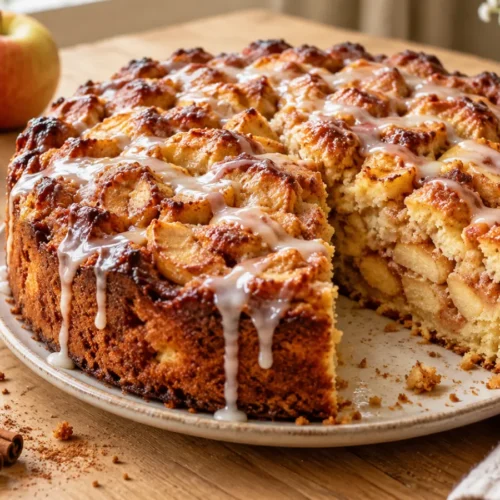
Apple Fritter Cake

Equipment
- 9×13 inch pan
- Large Skillet
- Mixing bowl
- Measuring cups
- Measuring spoons
Ingredients
All-Purpose Flour
- 2 1/4 cups All-Purpose Flour
- 1 cup granulated sugar
- 12 tablespoons unsalted butter, room temperature
- 3/4 cup milk
- 3 large eggs
- 2.5 teaspoons baking powder
- 1/4 teaspoon nutmeg or allspice
- 1 teaspoon salt
- 3.5 cups diced apples (1/2″ pieces)
- 2 tablespoons butter
- 1.5 teaspoons cinnamon
- 1/2 cup brown sugar
- 3/4 cup confectioners’ sugar
- 1.5-3 tablespoons milk
- 0.5 teaspoon alcohol-free vanilla extract
Instructions
- Preheat oven to 350°F (175°C).
- Prepare a 9×13 inch pan with parchment paper.
- In a large skillet, melt 2 tablespoons of butter over medium heat. Add 3.5 cups of diced apples, 1.5 teaspoons of cinnamon, and 1/2 cup of brown sugar. Cook until the liquid has evaporated and the apples are sticky.
- In a large mixing bowl, combine 2 1/4 cups of flour, 1 cup of granulated sugar, and 2.5 teaspoons of baking powder.
- Add 12 tablespoons of unsalted butter to the dry ingredients and mix until the mixture resembles sand.
- In a separate bowl, whisk together 3/4 cup of milk, 3 large eggs, and 0.5 teaspoon of alcohol-free vanilla extract.
- Add the wet ingredients to the dry ingredients and mix until just combined.
- Spread the batter evenly into the prepared pan.
- Spoon the cooked apple mixture evenly over the batter.
- Bake for 60-70 minutes or until a toothpick inserted into the center comes out clean.
- Let the cake cool in the pan for 30 minutes before transferring it to a wire rack to cool completely.
- Once the cake is cool, prepare the glaze by whisking together 3/4 cup of confectioners’ sugar, 1.5-3 tablespoons of milk, and 0.5 teaspoon of alcohol-free vanilla extract.
- Drizzle the glaze over the cooled cake.
Notes
- Calories: 420
- Protein: 4g
- Carbohydrates: 50g
- Fat: 22g
- Saturated fat: 13g
- Cholesterol: 60mg
- Sodium: 350mg
- Potassium: 150mg
- Fiber: 2g
- Sugar: 30g
Frequently Asked Questions
What type of apples are best for making an Apple Fritter Cake?
Firm, tart-sweet apples that maintain their structural integrity during cooking deliver the best results. Honeycrisp, Granny Smith, Braeburn, and Pink Lady hold their shape well under stovetop heat and extended oven baking. Avoid soft varieties like Red Delicious or McIntosh, which quickly break down into a watery purée.
Can I swirl the apples into the batter instead of placing them on top?
Yes, you can create a marbled cinnamon-sugar swirl inside the cake for a more traditional apple fritter appearance. Pour half of the prepared batter into the pan, scatter half of the sautéed apples across it, top with the remaining batter, and finish with the rest of the fruit. Run a butter knife through the layers once or twice to integrate them without overmixing.
How do I know when the apples are ready after sautéing them on the stovetop?
The apples are ready when they have softened slightly at the edges and the bubbling juices have reduced down to a glossy, thick syrup. There should be little to no free-running liquid pooling in the bottom of the skillet when you push the apples aside with a wooden spoon.
How can I convert this recipe to use a Bundt pan or make Apple Fritter Muffins?
To adapt this recipe for a 10-to-12-cup Bundt pan, grease and flour the pan thoroughly, layer the batter and apples in two alternating rounds, and bake at 350°F (175°C) for 50 to 60 minutes. For standard muffins, line a 12-cup tin, divide the batter evenly, crown each cup with sautéed apples, and bake at 350°F (175°C) for 20 to 24 minutes until a tester comes out clean.