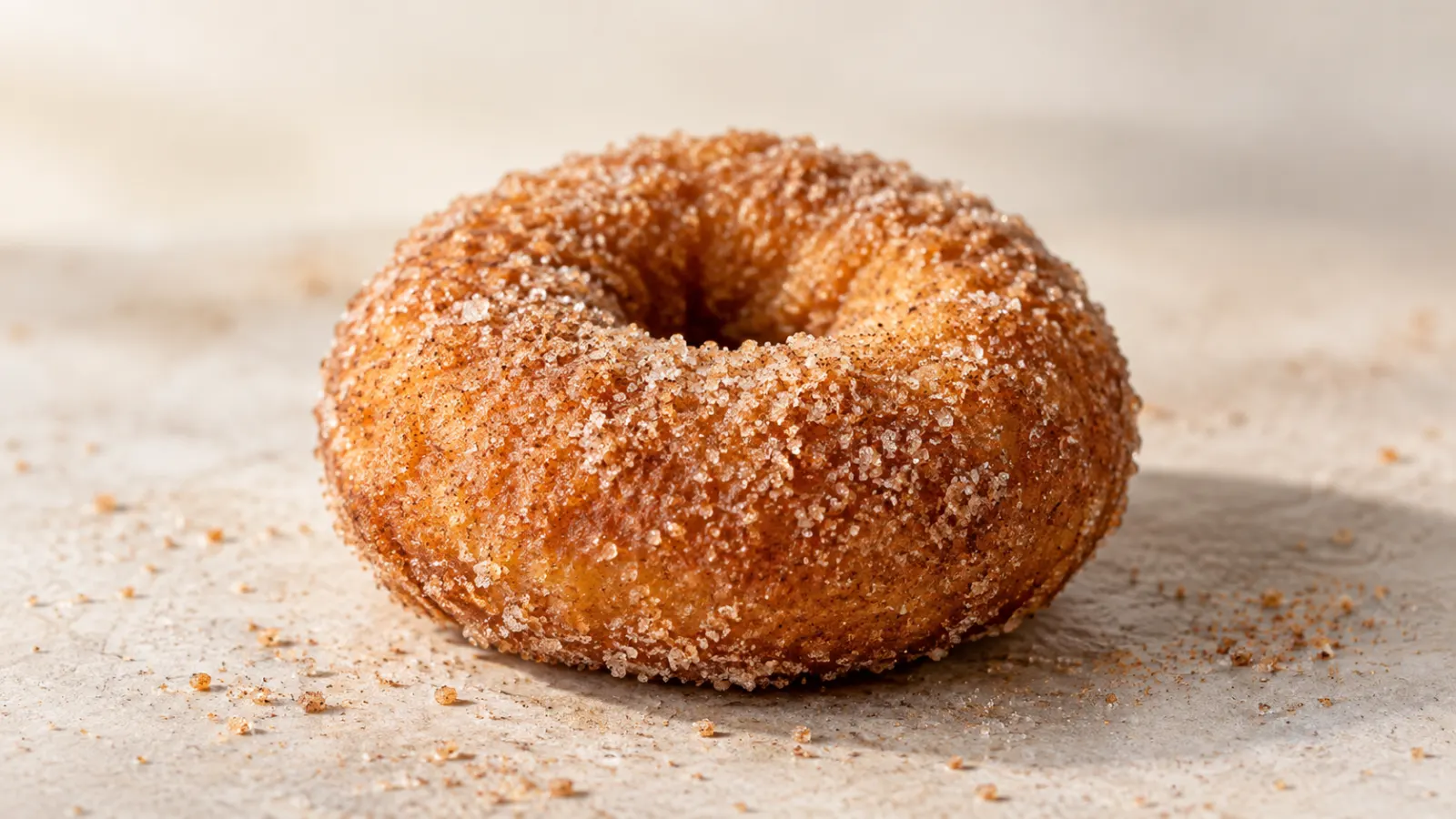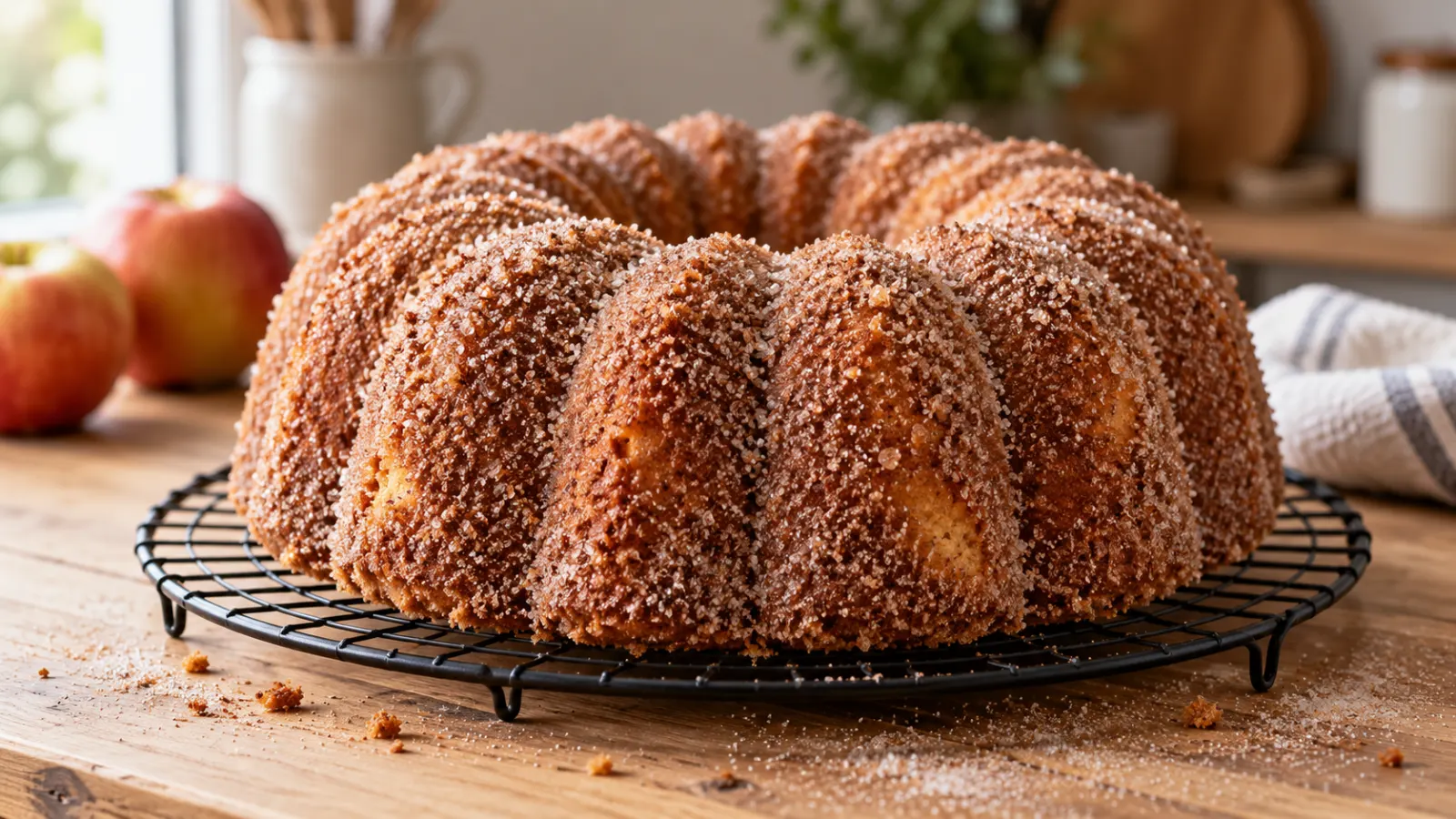
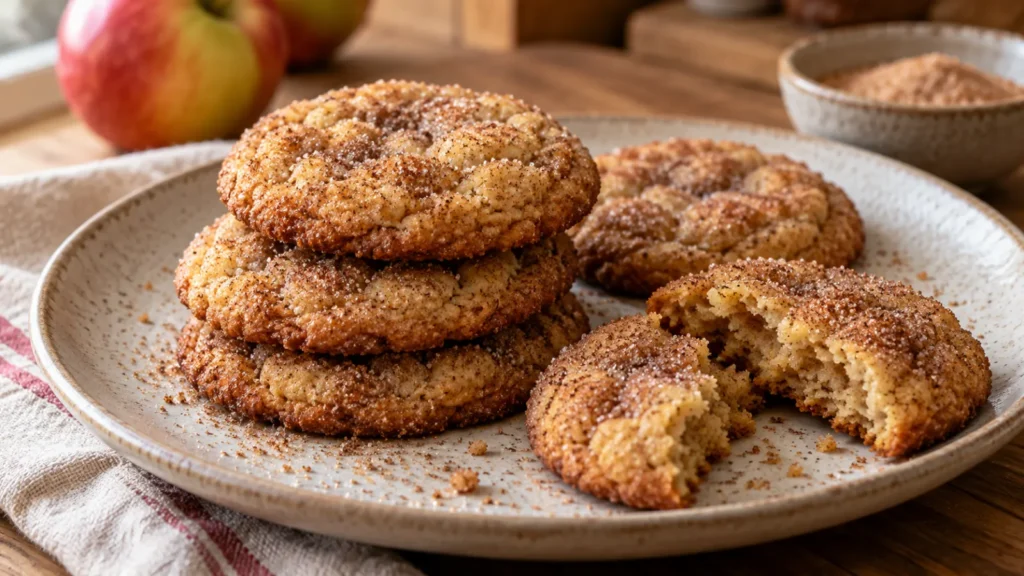
These homemade apple cider cookies capture the warm, comforting essence of classic orchard cider donuts in the form of a soft, melt-in-your-mouth cookie. By simmering fresh, unfiltered cider until it thickens into a golden syrup, you pack genuine fruit intensity straight into the dough without adding excess liquid. Rolled in fragrant cinnamon sugar before hitting the oven, they emerge with crisp edges, tender centers, and a balanced autumn spice profile.
Whether you have fresh cider left over from an orchard trip or simply want a cozy dessert to share with family, this apple cider cookies recipe fits the occasion. The simple creaming method ensures reliable results even for beginner bakers, while the concentrated reduction technique solves the common problem of bland, washed-out fruit cookies.
Table of Contents
Why You’ll Love This Recipe
- Deep cider flavor: Simmering the cider condenses its natural sweetness and tartness, preventing a watery dough.
- Balanced chew and tenderness: Creamed butter and brown sugar yield soft centers with lightly crisp perimeter edges.
- Classic donut coating: Rolling the dough balls in cinnamon sugar gives each bite a slight surface crunch.
- Make-ahead friendly: The prepared dough holds up well in the refrigerator, allowing you to bake batches on demand.
Key Ingredients & Substitutions
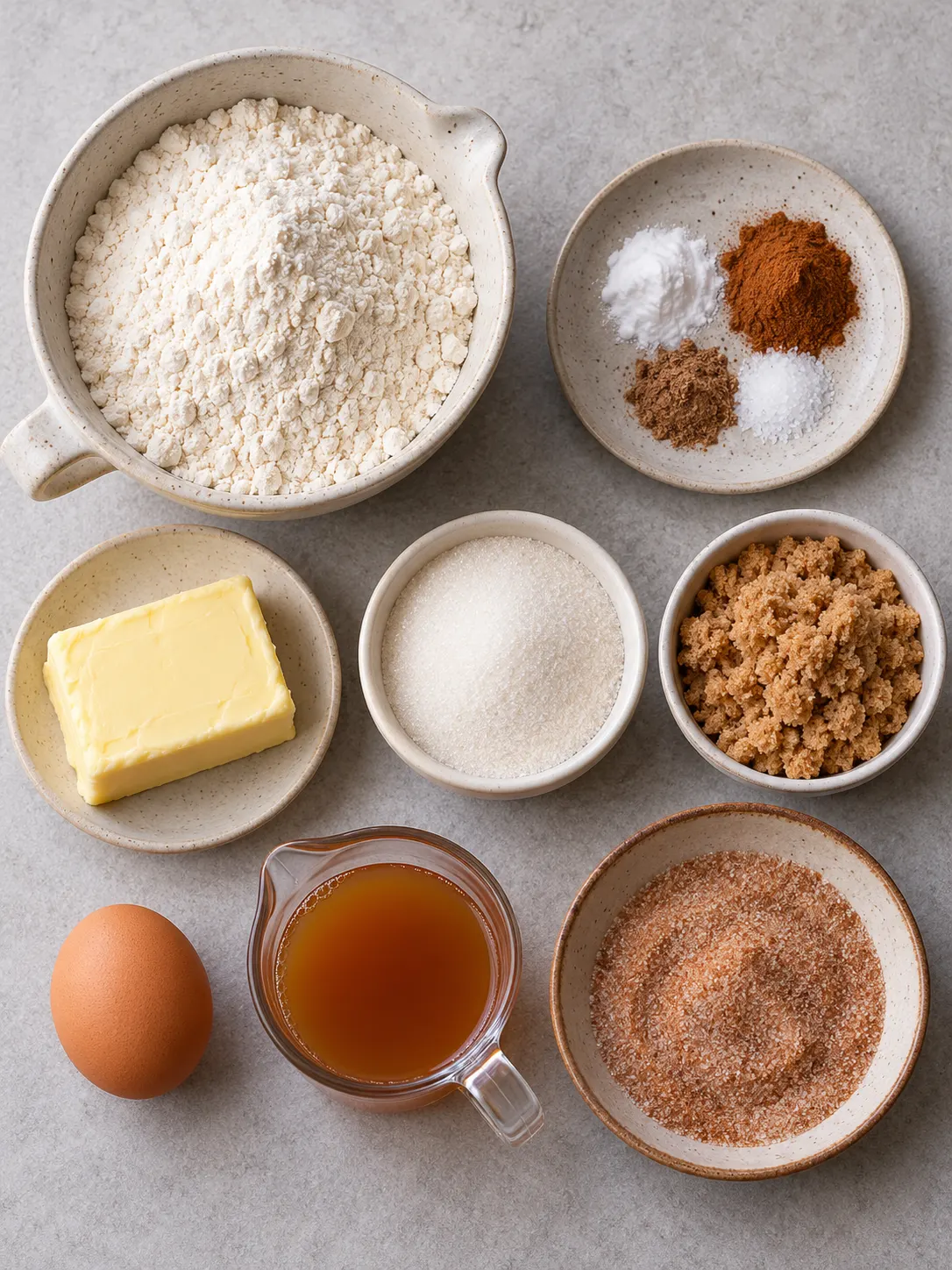
Every component in this apple cider cookie recipe plays an essential role in texture, moisture control, and flavor depth:
- Apple Cider (1 cup): Use traditional non-alcoholic, unfiltered pressed cider. Avoid clear, filtered apple juice, which lacks body, and never substitute apple cider vinegar, which is an acidic condiment.
- All-Purpose Flour (2 1/4 cups): Provides the structural foundation. Spoon and level the flour into your measuring cup rather than scooping directly from the bag to prevent a dry dough.
- Baking Soda (1 teaspoon): Offers gentle lift while reacting with the mild natural acidity in the cider reduction to create a tender crumb.
- Ground Cinnamon (1 teaspoon) & Ground Nutmeg (1/2 teaspoon): Ground spices complement the cooked fruit profile without overpowering it. Freshly grated nutmeg yields the most aromatic results.
- Fine Salt (1/4 teaspoon): Sharpens the sweet butter notes and highlights the fruit acidity.
- Unsalted Butter (1 cup): Softened to room temperature (around 65°F–68°F / 18°C–20°C). Softened butter incorporates air during creaming, creating the ideal cookie structure.
- Granulated Sugar (3/4 cup): Aerates the butter and produces lightly crisp exterior edges.
- Light Brown Sugar (1/2 cup): Introduces mild molasses moisture, helping the cookies remain soft in the center.
- Egg (1 large): Binds the ingredients, provides emulsion stability, and adds chew.
- Cinnamon Sugar (2 tablespoons): A balanced blend of granulated sugar and ground cinnamon used to coat the dough prior to baking.
If you enjoy bright, fruit-forward baked goods, you might also like these vibrant Mojito Sugar Cookies for another refreshing twist on classic cookie doughs. When planning a balanced dinner menu before dessert, a savory dish like this Ground Beef Sweet Potato Bowl makes a wholesome pairing.
Step-by-Step Instructions
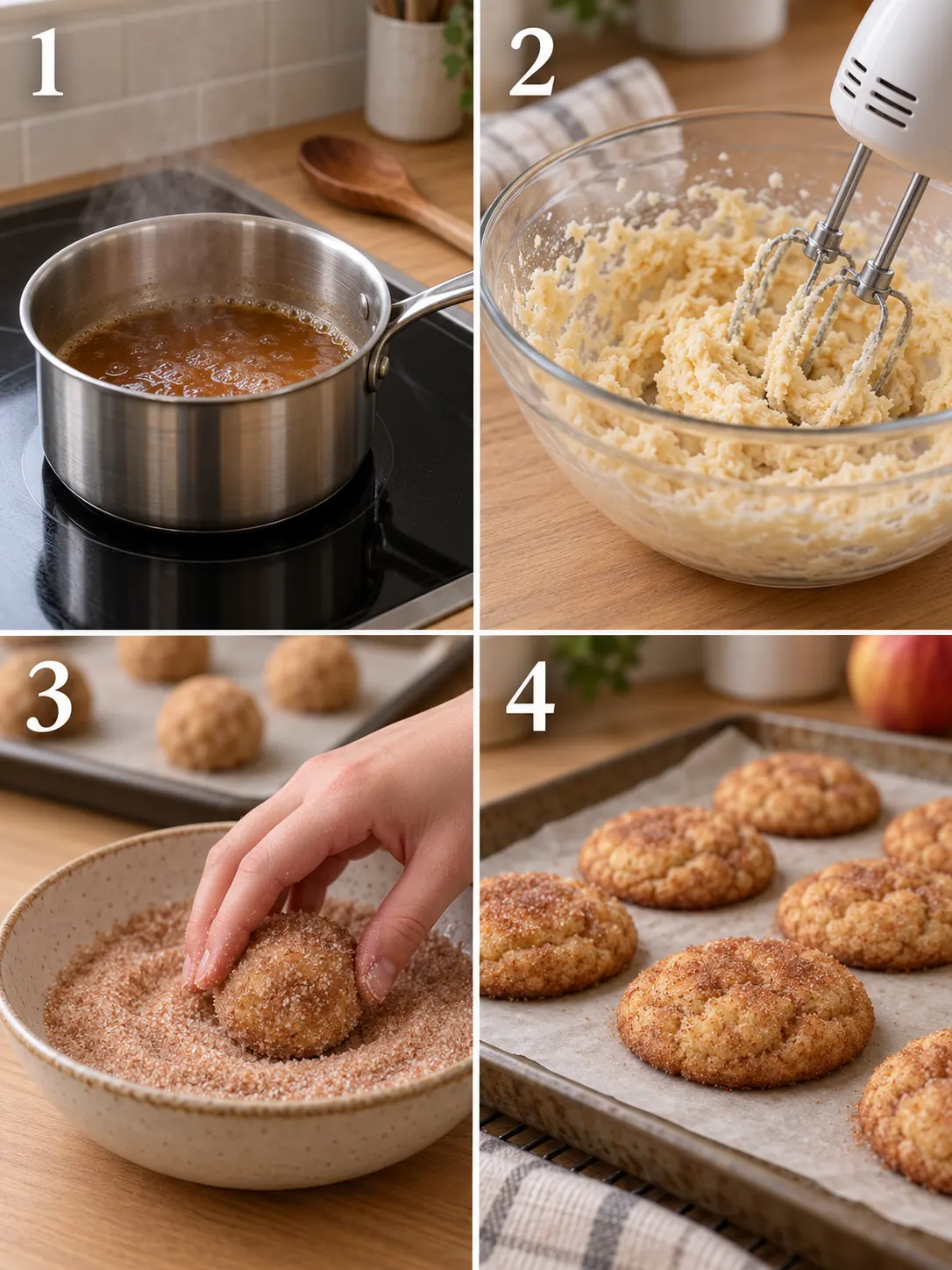
Follow these steps to prepare your cookies accurately:
1. Preheat and prep: Preheat your oven to 350°F (175°C). Line a large rimmed baking sheet with parchment paper or a silicone baking mat.
2. Reduce the cider: Pour 1 cup of apple cider into a small saucepan. Bring to a simmer over medium heat. Let it bubble gently until reduced to 1/4 cup, about 20 to 25 minutes. It should have a light syrupy consistency. Remove from the heat and allow it to cool completely to room temperature.
3. Whisk dry ingredients: In a medium bowl, whisk together the all-purpose flour, baking soda, ground cinnamon, ground nutmeg, and salt until uniformly blended. Set aside.
4. Cream butter and sugars: In a large mixing bowl (or the bowl of a stand mixer fitted with the paddle attachment), beat the room-temperature butter, granulated sugar, and light brown sugar on medium speed for 2 to 3 minutes until pale, light, and fluffy.
5. Add the egg: Crack in the room-temperature egg and beat until fully emulsified and smooth, scraping down the sides of the bowl with a rubber spatula.
6. Combine flour: Gradually add the flour mixture on low speed, mixing just until streaks of dry flour disappear. Do not overmix.
7. Incorporate cider: Pour the cooled apple cider reduction into the bowl. Mix gently by hand or on low speed until the syrup is evenly distributed through the soft dough.
8. Chill the dough: Cover the bowl and chill in the refrigerator for at least 30 minutes. This firms the fats and hydrates the flour, keeping the cookies from spreading too flat in the oven.
9. Portion and roll: Place the 2 tablespoons of cinnamon sugar in a shallow dish. Scoop the chilled dough into 1.5-tablespoon portions (about a #40 scoop). Roll each portion between your palms into a smooth ball, then toss thoroughly in the cinnamon sugar until completely coated.
10. Arrange on sheet: Place the coated dough balls on the prepared baking sheet, leaving approximately 2 inches of clearance between each cookie to allow for moderate spread.
11. Bake to doneness: Bake at 350°F (175°C) for 10 to 12 minutes. The cookies are ready when the edges are set and lightly golden brown, but the centers remain puffy, soft, and slightly underdone to the eye.
12. Cool and set: Remove the pan from the oven. Let the cookies rest directly on the warm baking sheet for 5 minutes so their tender centers stabilize. Transfer them onto a wire cooling rack to cool completely.
Expert Chef Tips & Troubleshooting
- Cool the cider completely: Adding warm or hot reduced cider directly to creamed butter melts the fat instantly, resulting in an oily, loose dough that puddles in the oven. If short on time, pour the reduction into a small glass dish and place it in the refrigerator for 10 minutes.
- Monitor the reduction volume: Keep a heatproof measuring cup nearby. Pour the simmering cider in near the 20-minute mark to verify you have exactly 1/4 cup. If reduced too far, it becomes sticky candy; if not reduced enough, it introduces excess water into your dough.
- Avoid overbaking: The secret to a bakery-style chew is pulling the sheet pan when the center still looks slightly pale and moist. Residual heat from the baking sheet finishes cooking the base without drying out the crumb.
- Dough consistency: If your kitchen is warm and the dough feels sticky after the initial 30-minute rest, return it to the refrigerator for an additional 15 minutes before rolling.
Storage, Make-Ahead & Reheating
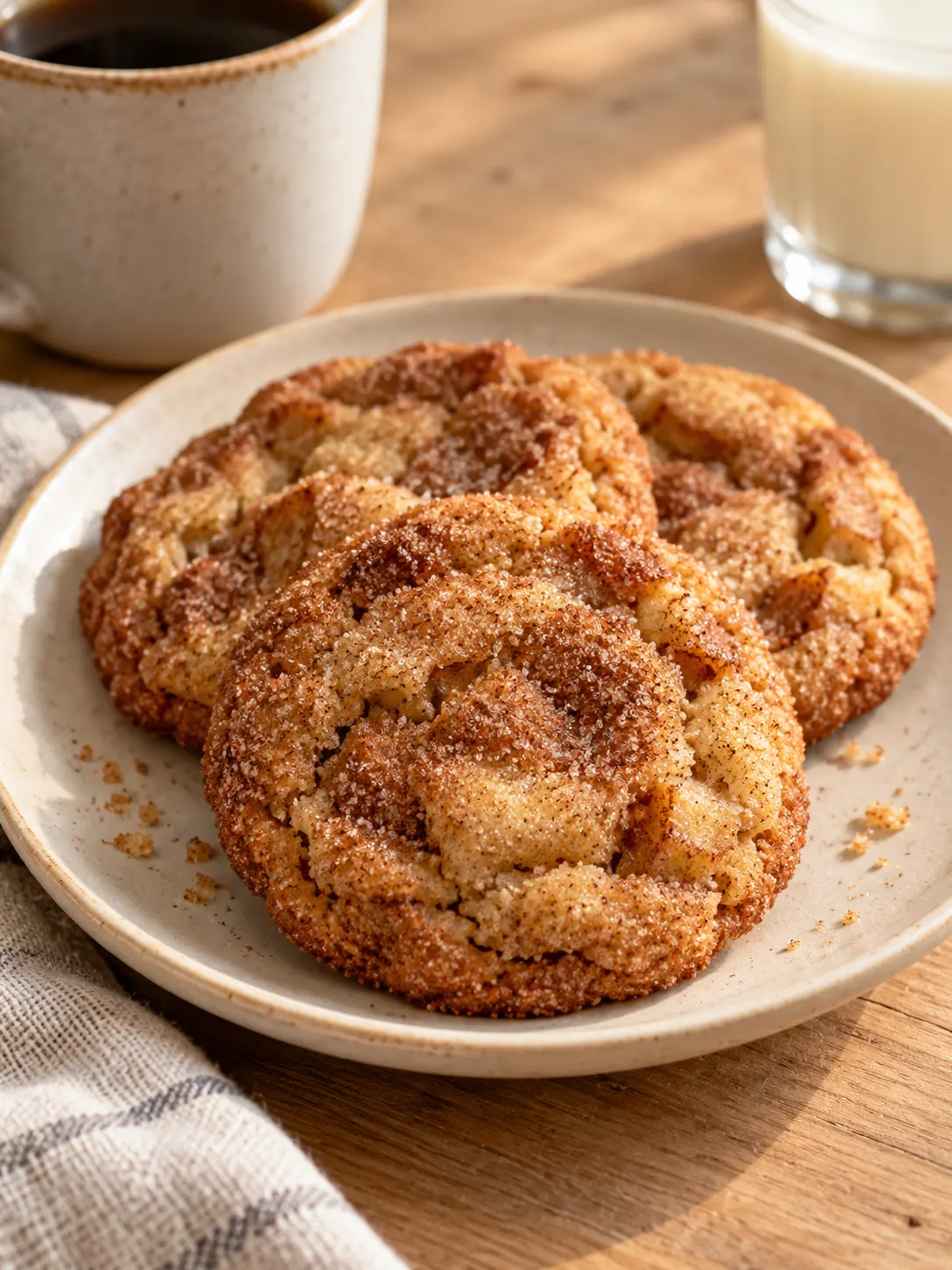
- Room Temperature Storage: Once fully cooled, store the baked cookies in an airtight container at room temperature for up to 4 to 5 days. Placing a small square of parchment between layers prevents the cinnamon-sugar crust from softening prematurely.
- Freezing Baked Cookies: Layer cooled cookies in a freezer-safe container separated by parchment paper. Freeze for up to 2 months. Thaw at room temperature for 20 minutes before serving.
- Freezing Unbaked Dough: Scoop the dough into portions and roll them in cinnamon sugar. Freeze the balls on a parchment-lined tray for 1 hour until solid, then transfer them to an airtight freezer bag for up to 3 months. Bake straight from frozen at 350°F (175°C), adding 1 to 2 extra minutes to the total bake time.
- General Food Safety: When storing baked goods or prepared holiday meals, follow standard food safety guidelines for leftovers to keep foods fresh and uncontaminated.
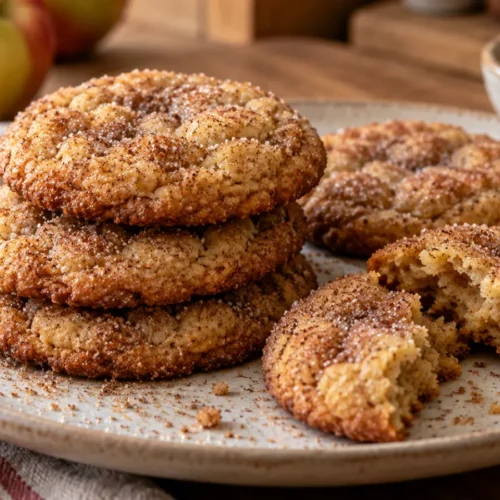
Apple Cider Cookies with Concentrated Apple Flavor

Equipment
- Small saucepan
- Baking Sheet
- Parchment paper
- Electric hand mixer or stand mixer
- Medium mixing bowl
- Wire cooling rack
Ingredients
Cider Reduction
- 1 cup apple cider unfiltered, non-alcoholic
Dry Ingredients
- 2 1/4 cups All-Purpose Flour spooned and leveled
- 1 teaspoon baking soda
- 1 teaspoon ground cinnamon
- 1/2 teaspoon ground nutmeg
- 1/4 teaspoon salt
Wet Ingredients
- 1 cup unsalted butter at room temperature
- 3/4 cup granulated sugar
- 1/2 cup light brown sugar packed
- 1 egg large, room temperature
Coating
- 2 tablespoons cinnamon sugar for coating
Instructions
- Preheat the oven to 350°F (175°C). Line a baking sheet with parchment paper.
- In a small saucepan, reduce the apple cider over medium heat until it reaches 1/4 cup, about 20-25 minutes. Let it cool.
- In a medium bowl, whisk together the flour, baking soda, cinnamon, nutmeg, and salt.
- In a large bowl, use an electric mixer to cream the butter and sugars until light and fluffy, about 2-3 minutes.
- Beat in the egg until well combined.
- Gradually mix in the flour mixture until just combined, being careful not to overmix.
- Stir in the reduced apple cider.
- Chill the dough for at least 30 minutes to prevent spreading.
- Scoop the dough into balls, about 1.5 tablespoons each. Roll each ball in the cinnamon sugar to coat.
- Place the balls onto the prepared baking sheet, leaving about 2 inches of space between each cookie.
- Bake for 10-12 minutes, or until the edges are set and lightly golden. The centers should look soft and underdone.
- Remove from the oven and let cool on the baking sheet for 5 minutes before transferring to a wire rack to cool completely.
Notes
- Calories: 120
- Protein: 1g
- Carbohydrates: 17g
- Fat: 6g
- Saturated fat: 3.5g
- Cholesterol: 10mg
- Sodium: 50mg
- Potassium: 25mg
- Fiber: 0g
- Sugar: 8g
- Vitamin A: 0 IU
- Vitamin C: 0mg
- Calcium: 6mg
- Iron: 0.5mg
Frequently Asked Questions
What is the best way to reduce apple cider for apple cider cookies to get the right flavor?
Simmer the cider gently in a small saucepan over medium heat for 20 to 25 minutes until 1 cup reduces down to exactly 1/4 cup. This evaporates excess water while intensifying the natural apple sugars and acidity. Always let the concentrated reduction cool down to room temperature before stirring it into your creamed butter mixture.
Can I use instant spiced apple cider mix as a shortcut in place of reducing fresh apple cider?
You can use dry instant spiced apple cider drink mix as an alternative method. Dissolving powdered mix into a small tablespoon of warm water delivers quick apple flavor, though fresh reduced cider provides a cleaner, more nuanced fruit taste without added artificial flavoring agents or preservatives.
How do I ensure my apple cider cookies have the right texture, specifically to make them soft and chewy?
To keep the cookies soft and chewy, pull them from the oven at 10 to 12 minutes when the outer edges are set but the centers still appear soft and somewhat underbaked. Chilling the dough for at least 30 minutes before baking is equally critical, as it solidifies the butter and prevents excessive spreading on the pan.
What are some common mistakes to avoid when making apple cider cookies, such as using the wrong type of apple cider?
The most critical mistake is using apple cider vinegar instead of standard culinary apple cider. Apple cider vinegar is a sharp ferment that will ruin the dough. Make sure you use sweet, non-alcoholic apple cider. Additionally, take care not to over-reduce the liquid into a hard caramel, and avoid adding the reduction while it is still hot.