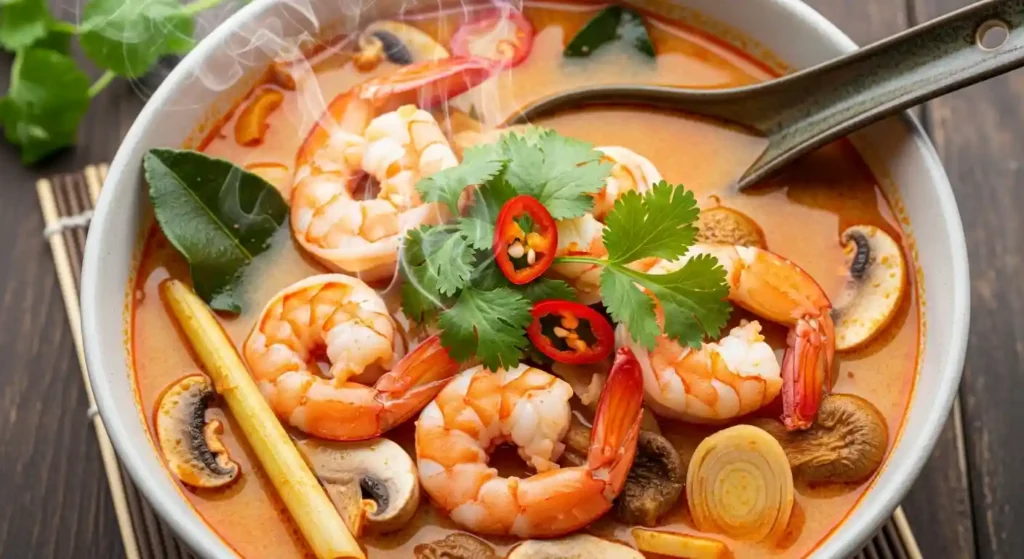
Embark on a culinary journey to Thailand right from your kitchen with this ultimate tom yum recipe! As a chef who has spent years perfecting the delicate balance of Thai flavors, I can confidently say that mastering Tom Yum is a truly rewarding experience. Known globally for its vibrant hot and sour profile, Tom Yum soup is more than just a dish; it’s an invigorating experience that awakens every sense. Whether you crave the invigorating clear broth (Nam Sai) or the comforting creamy version (Nam Khon), this guide will walk you through creating an authentic traditional tom yum recipe that will outshine your favorite Thai restaurant. Get ready to awaken your taste buds with layers of spicy, sour, salty, and subtly sweet flavors, perfect for any occasion.
Table of Contents
What is Tom Yum Soup? Unveiling Thailand’s Iconic Flavor Bomb
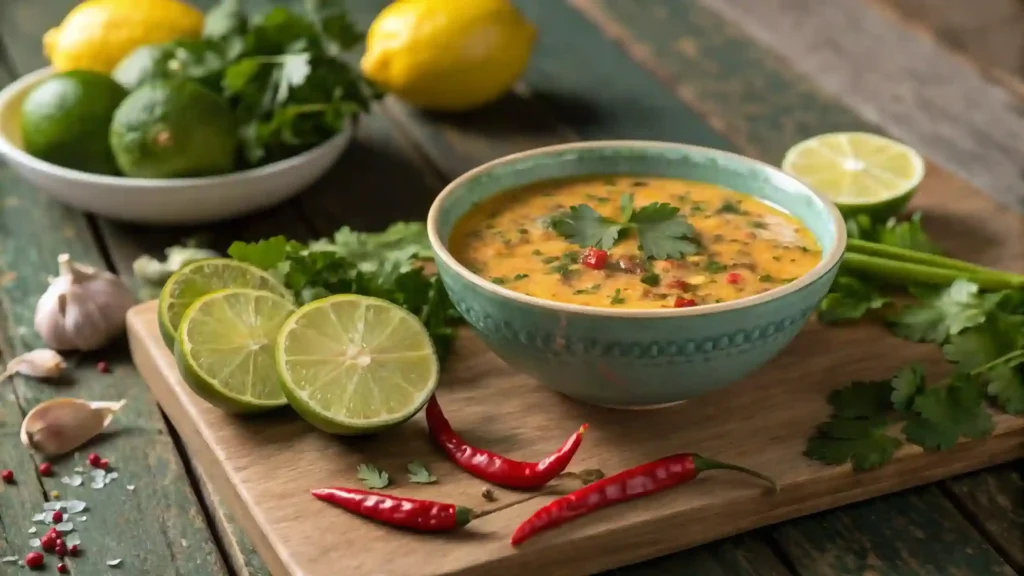
Tom Yum is arguably Thailand’s most famous soup, celebrated for its unique balance of spicy, sour, and aromatic notes. The name itself tells a story: “Tom” refers to the boiling process, while “Yum” signifies a spicy and sour salad. When combined, it creates a soup that is both invigorating and deeply satisfying – a cornerstone of Thai cuisine. (Image: A stunning hero shot of freshly prepared Tom Yum Goong Nam Sai in a beautiful ceramic bowl, garnished with vibrant cilantro and sliced red chilies, steam gently rising.)
There are two primary styles of Tom Yum, a common question among enthusiasts:
- Tom Yum Goong Nam Sai (Clear Tom Yum): This is the classic, pristine version that truly highlights the fresh aromatics. It features a clear broth infused with a medley of fresh herbs and spices, delivering an intense, clean flavor. Our
tom yum recipeprimarily focuses on this vibrant base, allowing its pure essence to shine. - Tom Yum Goong Nam Khon (Creamy Tom Yum): For those who prefer a richer texture and slightly mellower spice, Nam Khon incorporates evaporated milk and often a touch of Thai chili paste (Nam Prik Pao). This creates a cloudy, slightly thicker, and more complex soup. It still retains the signature hot and sour kick but with an added layer of creaminess and umami. The “Goong” in both names signifies shrimp, the most popular protein choice, making it a delightful
tom yum recipe with shrimp.
Why This Tom Yum Recipe Will Become Your Go-To
This tom yum recipe isn’t just a set of instructions; it’s a deep dive into authenticity, designed to be accessible for ambitious home cooks, while also offering a quicker path using paste.
- Authentic Flavors, Demystified: We focus on fresh, aromatic ingredients, meticulously explaining their role in delivering the true taste of Thailand. No shortcuts that compromise flavor here, but we also offer a delicious “easy” alternative.
- Easily Customizable: Adjust the spice level, protein, and creaminess to suit your preference. This can easily become a
tom yum recipe easyfor beginners seeking a simpler path, while offering depth for seasoned cooks. - Healthy & Wholesome: Packed with fresh vegetables and lean protein, Tom Yum is a fantastic example of
incorporating delicious and nutrient-dense dishes into a healthy eating pattern. Especially withthe impressive nutritional profile of shrimp, this soup makes for a nourishing meal. Don’t forgetthe diverse health benefits of mushroomsandthe myriad health advantages of cooking with fresh herbs and spicesthat contribute to this soup’s wholesome nature. (Image: An artfully arranged ingredient flat lay featuring fresh lemongrass, galangal, makrut lime leaves, vibrant red chilies, oyster mushrooms, and plump, raw shrimp, ready for preparation.)
Essential Tom Yum Recipe Ingredients: The Heart of Thai Flavor
The magic of Tom Yum lies in its unique blend of fresh aromatics, which are crucial for achieving that signature taste. Gathering the right Tom Yum recipe ingredients is the first step to success.
The Tom Yum Trinity – Non-Negotiables for Authenticity:
- Lemongrass: Bruised and sliced, it releases a bright, complex citrusy and slightly minty aroma. Don’t skip the bruising – it’s vital for flavor extraction!
- Galangal: A root similar to ginger but with a distinct, sharper, more peppery, and piney flavor. Its unique pungency is essential and cannot be fully replicated by ginger.
- Makrut (Kaffir) Lime Leaves: These glossy, fragrant leaves impart a distinct floral, citrusy note that is absolutely irreplaceable. Tearing them helps release their potent oils.
Other Key Players:
- Fresh Thai Bird’s Eye Chilies (Prik Kee Noo): For that essential fiery kick. Adjust to your heat tolerance, but a few bruised chilies are key for a traditional
tom yum recipe. - Fish Sauce (Nam Pla): The backbone of Thai savory flavor, providing critical salty, umami depth. Use a good quality brand for the best results.
- Fresh Lime Juice: Delivers the vibrant sourness that defines Tom Yum. Always use fresh-squeezed!
- Sugar: A touch of granulated sugar (often palm sugar in Thailand) balances the sour, spicy, and salty elements, creating a harmonious flavor profile.
- Shrimp or Chicken Stock: Forms the flavorful base of the soup. Homemade shrimp stock (from shells) will elevate the flavor immensely!
- Shrimp (Goong): Peeled and deveined, they cook quickly and add natural sweetness and a satisfying texture.
- Mushrooms: Oyster or straw mushrooms are traditional, adding an earthy texture and absorbing the broth’s flavors beautifully.
- White Onion & Tomatoes: Add subtle sweetness, body, and color to the broth.
- Optional for Creamy Version (Nam Khon): Evaporated milk provides authentic creaminess, and Thai chili paste (Nam Prik Pao) adds a smoky, sweet-savory, and subtly spicy layer for a richer, more complex
tom yum recipe creamy.
Sourcing Your Authentic Tom Yum Ingredients in the US
Finding fresh Thai ingredients can sometimes be a challenge, but with the right guidance, it’s easier than you think!
- Asian Grocery Stores: Your best bet for fresh lemongrass, galangal, makrut lime leaves, and Thai bird’s eye chilies. Look for national chains like H-Mart, 99 Ranch Market, or smaller local Vietnamese/Thai markets.
- Selection Tips: When choosing lemongrass, look for firm, pale green stalks with intact roots. For galangal, select firm, smooth pieces without soft spots. Makrut lime leaves should be bright green and unwithered. You’ll typically find these specialty herbs in the produce section, often near other Asian vegetables or herbs. Don’t be shy to ask staff for help!
- Online Retailers: For those without easy access to Asian markets, online ethnic food retailers (e.g., Temple of Thai, ImportFood) often ship fresh or frozen aromatics. Dried makrut lime leaves are an acceptable, though less potent, alternative if fresh are impossible to find.
- Fish Sauce: Widely available in most major supermarkets in the international aisle. Look for brands like Red Boat, Squid Brand, or Tiparos for good quality.
- Thai Chili Paste (Nam Prik Pao): Also found in Asian markets or online. Brands like Mae Pranom or Pantainorasingh are excellent.
- Evaporated Milk: Found in the baking aisle of any grocery store.
Tom Yum Paste vs. From Scratch: Which Path to Choose?
A common question is, “Can I use Tom Yum Paste, or should I make it from scratch?” Both options have their merits, depending on your time and desired level of authenticity.
- Making from Scratch (Recommended for Authenticity): For the most authentic and vibrant flavor, making Tom Yum from scratch using fresh aromatics is unparalleled. The fresh lemongrass, galangal, and makrut lime leaves release their essential oils directly into the broth, creating a depth of flavor that paste simply can’t replicate. This is ideal for a
traditional tom yum recipethat truly shines, offering a rewarding experience for ambitious home cooks. - Using Tom Yum Paste (for a
Tom Yum Recipe Easy):Tom Yum Pasteoffers a convenient shortcut, especially for a quicktom yum recipe easy. It’s a concentrated blend of many of the key ingredients. While it won’t be as fresh or nuanced as scratch-made, a good quality paste can still yield a delicious soup. If using paste, you’ll still want to add fresh lime juice, fish sauce, and often some fresh aromatics to boost the flavor and brighten the soup. Below, we’ll guide you through the superior fresh approach first, followed by a dedicated section for a quick and easy version using paste.
Step-by-Step Instructions: Crafting Your Perfect Tom Yum Soup
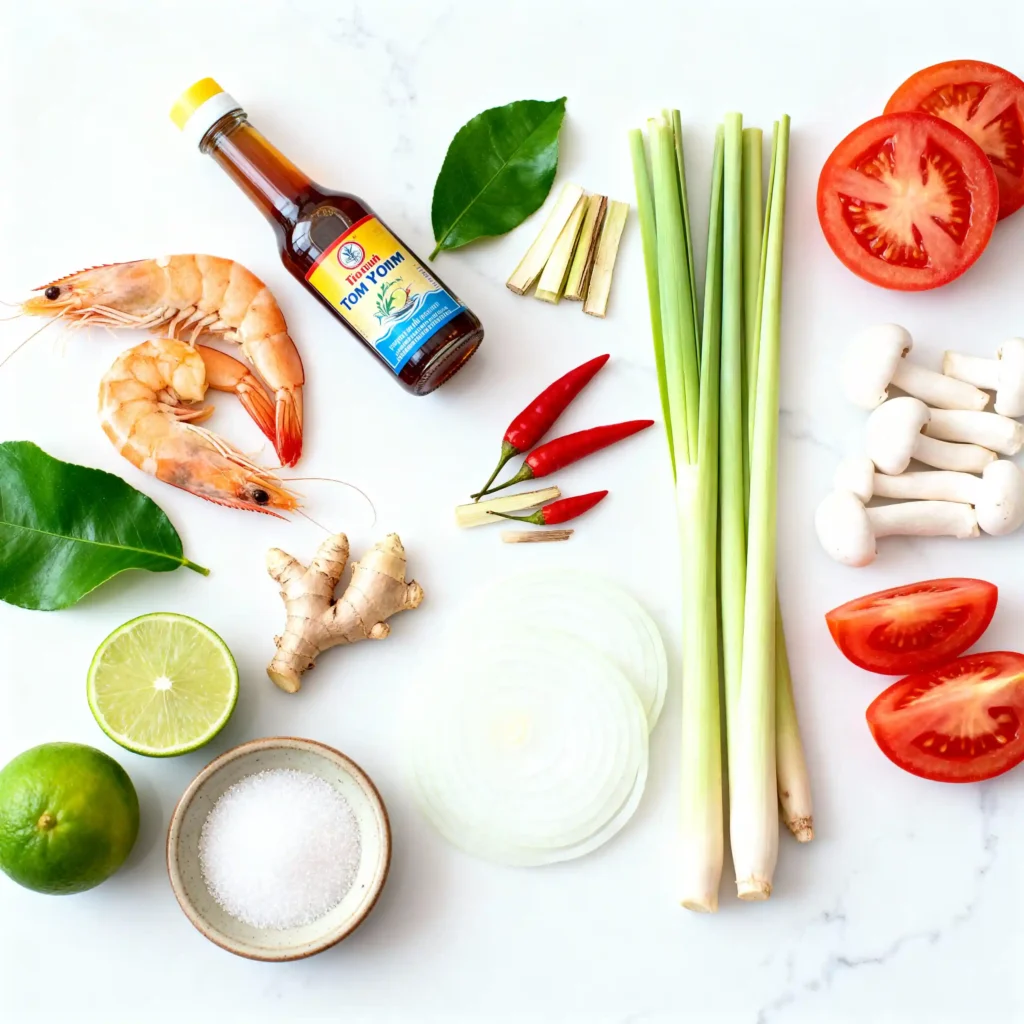
Follow these detailed steps to create a truly exceptional tom yum recipe.
Ingredients:
- 1 lb (450g) fresh shrimp, peeled and deveined, with tails on or off
- 4 cups (approx. 950ml or 1 liter) chicken or shrimp stock (homemade shrimp stock for ultimate flavor!)
- 2 stalks lemongrass, bruised and cut into 2-inch (5cm) pieces
- 6-8 slices galangal
- 5-7 makrut (kaffir) lime leaves, torn
- 3-5 fresh Thai bird’s eye chilies, bruised or sliced (adjust to taste)
- 1/2 cup (approx. 120g) oyster or straw mushrooms, halved
- 1/2 white onion, thinly sliced
- 1-2 Roma tomatoes, cut into wedges
- 3-4 tbsp (45-60ml) fish sauce
- 3-4 tbsp (45-60ml) fresh lime juice
- 1-2 tsp (5-10g) granulated sugar
- Optional: 1/4 cup (60ml) evaporated milk (for creamy Tom Yum Goong Nam Khon)
- Optional: 1 tbsp (15g) Thai chili paste (Nam Prik Pao)
- Fresh cilantro, for garnish (optional)
Instructions:
- Prepare the Aromatics: Bruise the lemongrass stalks by smashing them firmly with the back of a heavy knife or using a mortar and pestle. This releases their essential oils. Slice the galangal into rounds. Tear the makrut lime leaves to release their aroma. Bruise or slice the fresh Thai chilies.
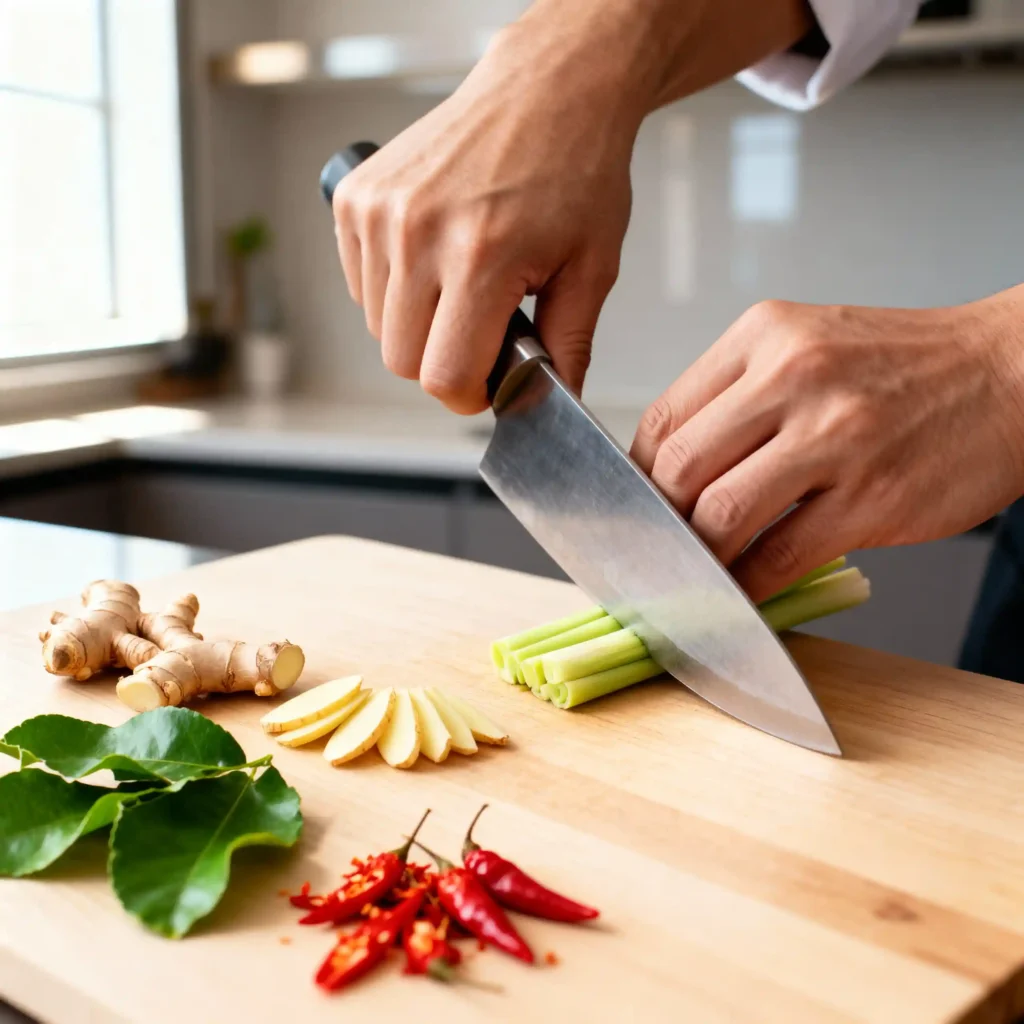
- Simmer the Stock: In a medium pot (a 3-quart/3-liter pot works well), bring the chicken or shrimp stock to a gentle simmer over medium heat.
- Infuse the Broth: Add the bruised lemongrass, sliced galangal, and torn makrut lime leaves to the simmering stock. Let simmer for 5-7 minutes to allow the flavors to deeply infuse the broth. The kitchen will start to smell incredible!
- Add Vegetables: Add the sliced white onion, tomatoes, and mushrooms to the pot. Cook for 2-3 minutes until they start to soften slightly.
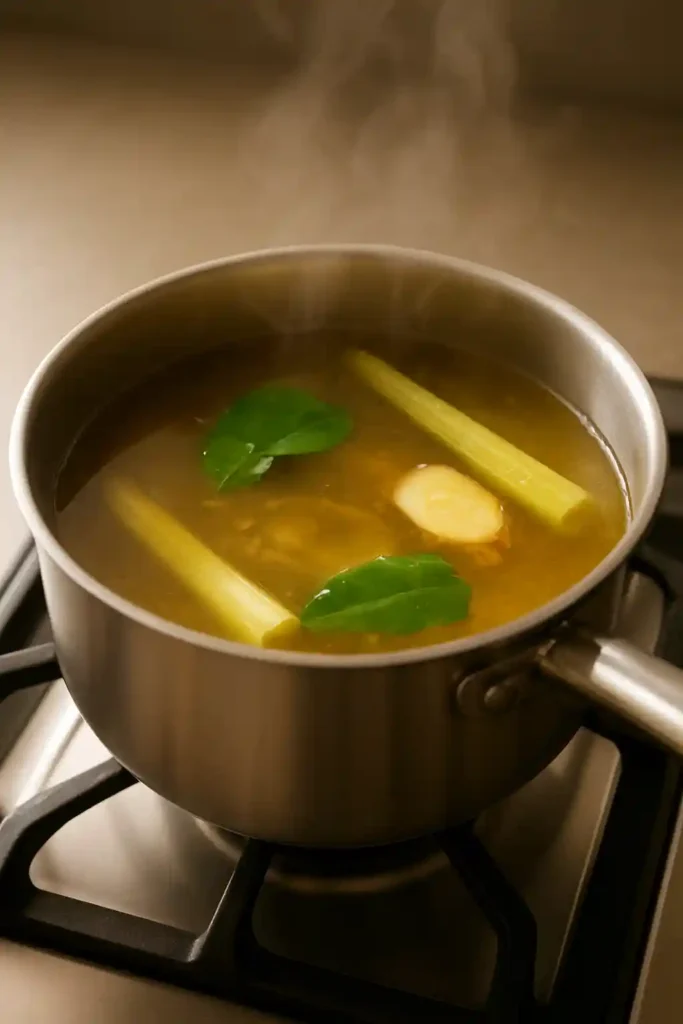
- Add Protein: Add the peeled shrimp to the soup. Cook for only 2-3 minutes, or until the shrimp turn pink and are just cooked through. Be careful not to overcook them, as they will become rubbery. Chef’s Note: Remove the pot from direct heat once shrimp are added to prevent overcooking.
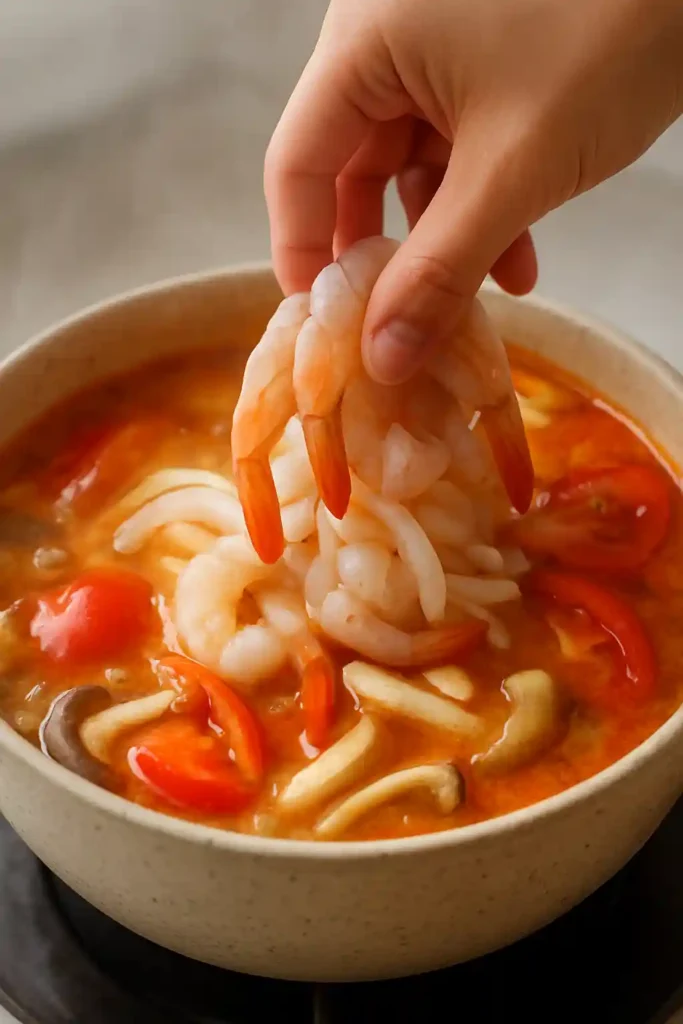
- Season the Soup (Off Heat is Key!): Crucially, remove the pot from the heat before seasoning. Stir in the fish sauce, fresh lime juice, and sugar. Taste and adjust seasonings as needed, adding more fish sauce for saltiness, lime juice for sourness, or sugar to balance. This off-heat seasoning preserves the fresh vibrancy of the lime juice.
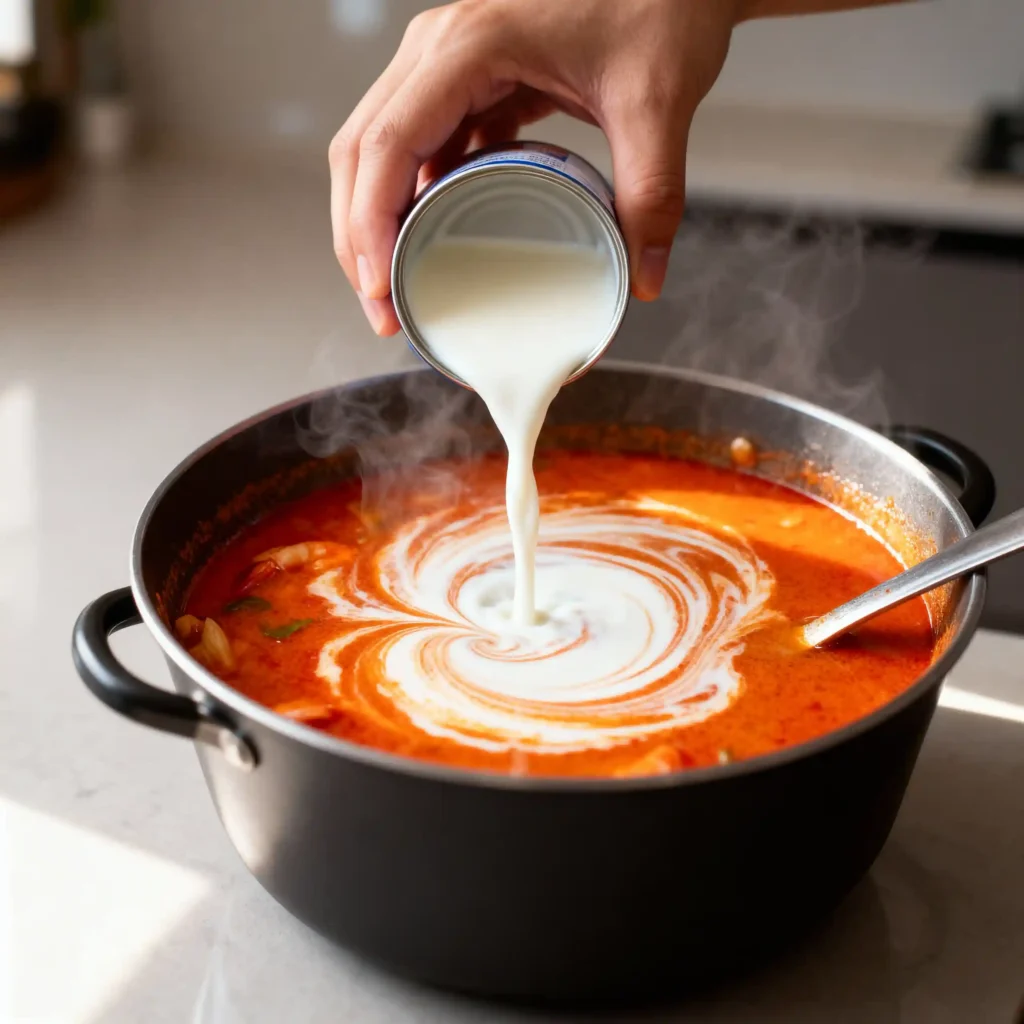
- For Creamy Tom Yum (Nam Khon): If making the
tom yum recipe creamyversion, stir in the evaporated milk and Thai chili paste (Nam Prik Pao) at this stage. Warm gently for 30 seconds, but do not boil vigorously after adding milk to prevent curdling.
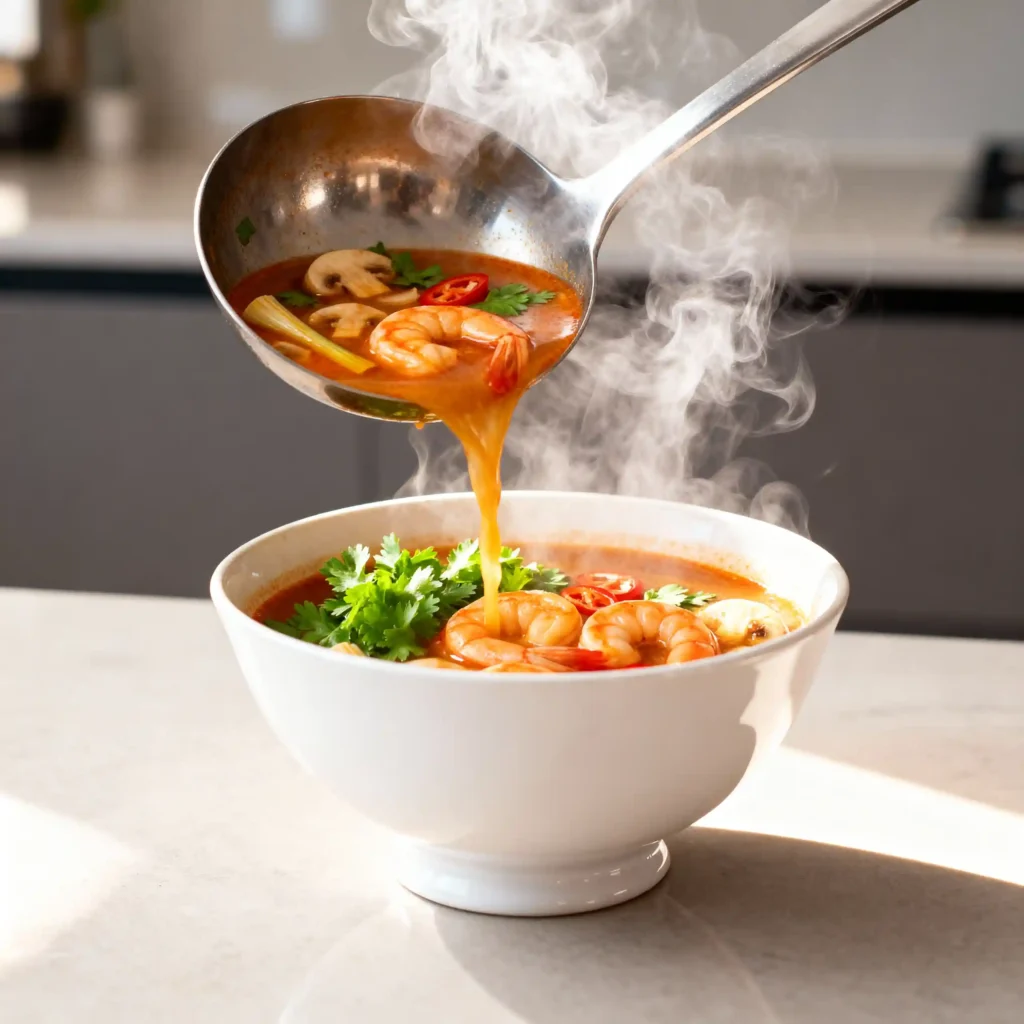
- Serve Hot: Ladle the Tom Yum soup into bowls. Garnish with fresh cilantro if desired. Serve immediately, typically with jasmine rice. The aromatics (lemongrass, galangal, lime leaves) are typically not eaten but left in the bowl for continued aroma; simply push them aside while eating.
Quick & Easy Tom Yum (Using Paste)
For those times when you crave Tom Yum but are short on time, a good quality Tom Yum Paste can be your secret weapon. This tom yum recipe easy approach streamlines the process while still delivering great flavor:
- Simmer Stock & Paste: In a medium pot, bring 4 cups (1 liter) of chicken or vegetable stock to a simmer. Stir in 2-3 tablespoons of your preferred Tom Yum paste until fully dissolved.
- Boost Aromatics (Optional but Recommended): To enhance flavor, you can still add 1 stalk of bruised lemongrass and 3-4 torn makrut lime leaves at this stage, simmering for 5 minutes.
- Add Protein & Vegetables: Add your choice of protein (e.g., 1 lb/450g shrimp, 1 cup/150g sliced chicken, or 1/2 cup/120g mushrooms) and 1/2 sliced white onion. Cook until the protein is just done and vegetables are tender-crisp (2-5 minutes).
- Season & Finish: Remove from heat. Stir in 2-3 tablespoons fresh lime juice and 1-2 tablespoons fish sauce. Taste and adjust. For a creamy version, add 1/4 cup (60ml) evaporated milk and an additional 1 teaspoon of Thai chili paste if desired. Serve immediately.
Customizing Your Tom Yum: Protein & Dietary Adaptations
While tom yum recipe with shrimp (Goong) is traditional, Tom Yum is incredibly versatile!
- Chicken (Gai): For a
tom yum recipe chicken, use thinly sliced chicken breast or thigh. Add it to the simmering broth after the aromatics and cook until just done (about 5-7 minutes, depending on thickness) before adding vegetables. - Fish: Firm white fish like cod or snapper can be added in chunks during the last 2-3 minutes of cooking, just like shrimp.
- Vegetarian & Vegan Options: For a
tom yum recipe vegetarianor fully plant-based version, substitute chicken or shrimp stock with a rich vegetable or mushroom broth.- Vegan Fish Sauce: Use a high-quality vegan fish sauce alternative (e.g., from brands like Ocean’s Halo or Tofuna Fumi, often made from seaweed or mushroom extract) or soy sauce to maintain the umami depth.
- Protein: Add firm tofu cubes (pan-fried or baked for extra texture), tempeh, or additional exotic mushrooms (shiitake, enoki) to the soup. Add tofu/tempeh during the last 5 minutes of simmering.
- Gluten-Free: Tom Yum is naturally gluten-free, but always check your fish sauce and Thai chili paste labels to ensure no hidden gluten-containing ingredients.
Common Questions & Troubleshooting Your Tom Yum
Even seasoned chefs encounter minor hiccups. Here’s how to ensure your Tom Yum is perfect every time:
- “My broth isn’t flavorful enough.”
- Solution: Ensure your aromatics (lemongrass, galangal, makrut lime leaves) were properly bruised/torn to release their oils. Simmer them for the full 5-7 minutes. Consider using a homemade shrimp stock for deeper flavor. A tiny pinch of MSG can also enhance umami without altering core flavors.
- “The soup is too salty/sour/spicy.”
- Solution: Too Salty? Add a splash more water or unsalted stock, or a tiny pinch of sugar to balance. Too Sour? Add more sugar or a bit more fish sauce (which also contains salt). Too Spicy? Remove some chilies if you can, or add more stock/water. A touch more evaporated milk (even in a clear version) can also slightly temper the heat.
- “My shrimp are rubbery.”
- Solution: This is the most common mistake! Shrimp cook extremely fast. As soon as they turn opaque and pink, they’re done. Remove the pot from the heat as soon as you add them, and don’t let them boil aggressively.
- “Why is my soup cloudy (when I want Nam Sai)?”
- Solution: This can happen if shrimp tomalley (from shrimp heads) gets into the broth, or if you’re boiling too vigorously. For clear soup, ensure your shrimp are fully peeled and deveined. Avoid aggressively boiling the soup once ingredients are added. If using pre-made stock, ensure it’s clear.
- “I can’t find fresh galangal/makrut lime leaves!”
- Solution: While irreplaceable for true authenticity, for galangal, fresh ginger is a last resort substitute (use half the amount, as it’s stronger, and understand the flavor will be different). For makrut lime leaves, dried leaves can be used (use double the amount and steep longer), or a tiny zest of lime peel (avoid the white pith) can offer a hint of citrus. Order online for best results next time!
Expert Chef’s Tips & Essential Tools for Success
- Don’t Overcook Shrimp: Seriously, this is critical. Two to three minutes is often all it takes.
- Taste and Adjust, Always: The final seasoning is paramount! Always taste your soup before serving and adjust fish sauce (for salt/umami), lime juice (for sourness), and sugar (for balance) until it hits the perfect hot, sour, salty, and sweet notes you desire. This is where your personal preference comes in.
- Aromatics are for Flavor, Not Eating: The lemongrass, galangal, and makrut lime leaves are meant to infuse the broth with their incredible aromas. They are typically not eaten and can be strained out before serving, or simply left in the bowl for garnish (and avoided during consumption).
- Essential Kitchen Tools:
- Heavy-Bottomed Pot: Ensures even heat distribution and prevents scorching.
- Mortar and Pestle: While a knife can bruise aromatics, a mortar and pestle will extract even more flavor from lemongrass, galangal, and chilies. It’s a small investment for authentic Thai cooking.
- Spider Strainer: Ideal for easily removing the aromatics (lemongrass, galangal, lime leaves) from the broth before serving, if preferred, without losing smaller ingredients.
- Quality Stock Matters: A good quality chicken or shrimp stock makes a huge difference. If you have time, making a quick shrimp stock from the shells of your shrimp adds incredible depth.
How to Store Leftover Tom Yum Soup, and Can I Freeze It?
Proper storage ensures you can enjoy your delicious Tom Yum for longer.
- Refrigeration: Leftover Tom Yum soup can be stored in an airtight container in the refrigerator for up to 2-3 days. The flavors often meld and deepen overnight, making it even more delicious!
- Freezing: While the broth freezes well, the textures of shrimp and mushrooms can change upon thawing, becoming a bit rubbery or mushy. If you plan to freeze, it’s best to freeze the broth without the shrimp and mushrooms. When ready to eat, thaw the broth, bring it to a simmer, and then add fresh shrimp and mushrooms to cook through. This ensures the best quality for your frozen
tom yum recipe.
Serving Suggestions & The Thai Meal Experience
Tom Yum is traditionally served with a side of jasmine rice, which helps to mellow the spice and soak up the flavorful broth. In Thailand, it’s often part of a larger meal with several dishes served family-style, balancing the hot and sour soup with milder stir-fries, curries, or salads. This creates a symphony of flavors and textures across the table.
Don’t limit yourself! Consider it as an invigorating starter or alongside other Thai dishes for a complete meal.
- Complementary Thai Dishes: Pair Tom Yum with a refreshing Green Papaya Salad (Som Tum) for contrasting crunch and tang, or Grilled Chicken Satay with Peanut Sauce for a milder, savory counterpoint. A simple Thai-style stir-fried vegetable dish (Pad Pak Ruam Mit) would also balance the meal beautifully.
For another spicy, broth-based experience, you might also enjoy our Spicy Ramen with Vegetables, which offers a similar flavorful noodle soup profile, or dive into the intensity of our Fiery Chicken Ramen with Creamy Garlic Sauce. If you’re a fan of creamy and tangy notes, explore our Coconut Miso Salmon Curry, or for another shrimp-focused dish, try our Grilled Shrimp Bowl with Avocado.
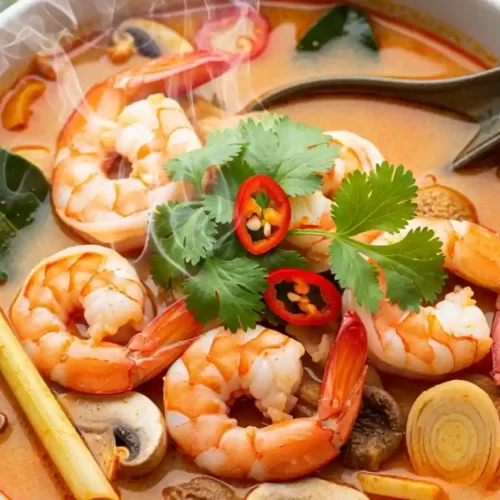
Tom Yum Goong (Hot & Sour Shrimp Soup)

Ingredients
- 1 lb fresh shrimp peeled and deveined, with tails on or off
- 4 cups chicken or shrimp stock
- 2 stalks lemongrass bruised and cut into 2-inch pieces
- 6-8 slices galangal
- 5-7 makrut kaffir lime leaves, torn
- 3-5 fresh Thai bird’s eye chilies bruised or sliced (adjust to taste)
- 1/2 cup oyster or straw mushrooms halved
- 1/2 white onion thinly sliced
- 1-2 Roma tomatoes cut into wedges
- 3-4 tbsp fish sauce
- 3-4 tbsp fresh lime juice
- 1-2 tsp granulated sugar
- Optional: 1/4 cup evaporated milk for creamy Tom Yum Goong Nam Khon
- Optional: 1 tbsp Thai chili paste Nam Prik Pao
Instructions
Prepare the aromatics:
- Bruise the lemongrass stalks by smashing them with the back of a knife or mortar and pestle. Slice the galangal. Tear the makrut lime leaves to release their aroma. Bruise or slice the fresh Thai chilies.
Bring the stock to a simmer:
- In a medium pot, bring the chicken or shrimp stock to a gentle simmer over medium heat.
Infuse the broth:
- Add the bruised lemongrass, sliced galangal, and torn makrut lime leaves to the simmering stock. Let simmer for 5-7 minutes to allow the flavors to infuse.
Add vegetables:
- Add the sliced white onion, tomatoes, and mushrooms to the pot. Cook for 2-3 minutes until they start to soften.
Add protein:
- Add the peeled shrimp to the soup. Cook for only 2-3 minutes, or until the shrimp turn pink and are just cooked through. Be careful not to overcook them, as they can become rubbery.
Season the soup:
- Remove the pot from the heat. Stir in the fish sauce, fresh lime juice, and sugar. Taste and adjust seasonings as needed, adding more fish sauce for saltiness, lime juice for sourness, or sugar to balance.
For creamy Tom Yum (Nam Khon):
- If making the creamy version, stir in the evaporated milk and Thai chili paste at this stage.
Serve hot:
- Ladle the Tom Yum soup into bowls. Garnish with fresh cilantro if desired. Serve immediately, typically with jasmine rice.
Notes
Nutrition Facts (per serving):
- Calories: 156cal (8%)
- Carbohydrates: 15g (5%)
- Protein: 21g (42%)
- Fat: 2g (3%)
- Saturated Fat: 1g (6%)
- Cholesterol: 191mg (64%)
- Sodium: 2821mg (123%)
- Potassium: 593mg (17%)
- Fiber: 2g (8%)
- Sugar: 7g (8%)
- Vitamin A: 287IU (6%)
- Vitamin C: 16mg (19%)
- Calcium: 138mg (14%)
- Iron: 3mg (17%)
Conclusion: Your Journey to Authentic Thai Flavors
Mastering a truly authentic tom yum recipe at home is an incredibly rewarding experience, one that brings the vibrant spirit of Thailand directly to your table. With its intoxicating blend of hot, sour, and aromatic flavors, this Thai classic is sure to become a cherished staple in your culinary repertoire. By understanding the key ingredients, mastering the simple techniques, and leveraging the expert tips and essential tools shared here, you’re now equipped to create a bowl that not only tastes incredible but also tells a story of cultural richness. Whether you opt for the clear or creamy version, with shrimp, chicken, or as a plant-based delight, and whether you choose the traditional scratch method or the convenient paste shortcut, you’re now ready to confidently craft a Tom Yum that will impress and delight. Enjoy your homemade Tom Yum – a true taste of culinary excellence!