Let’s be honest: while pitaya is arguably the most gorgeous fruit in the produce aisle, its actual flavor can be surprisingly mild—sometimes even a bit watery. It is easy to feel underwhelmed if you expect a flavor as loud and punchy as its neon pink exterior. But do not let that deter you! The secret to mastering the best dragon fruit recipes is managing those expectations and knowing exactly how to elevate the fruit’s natural profile.
Table of Contents
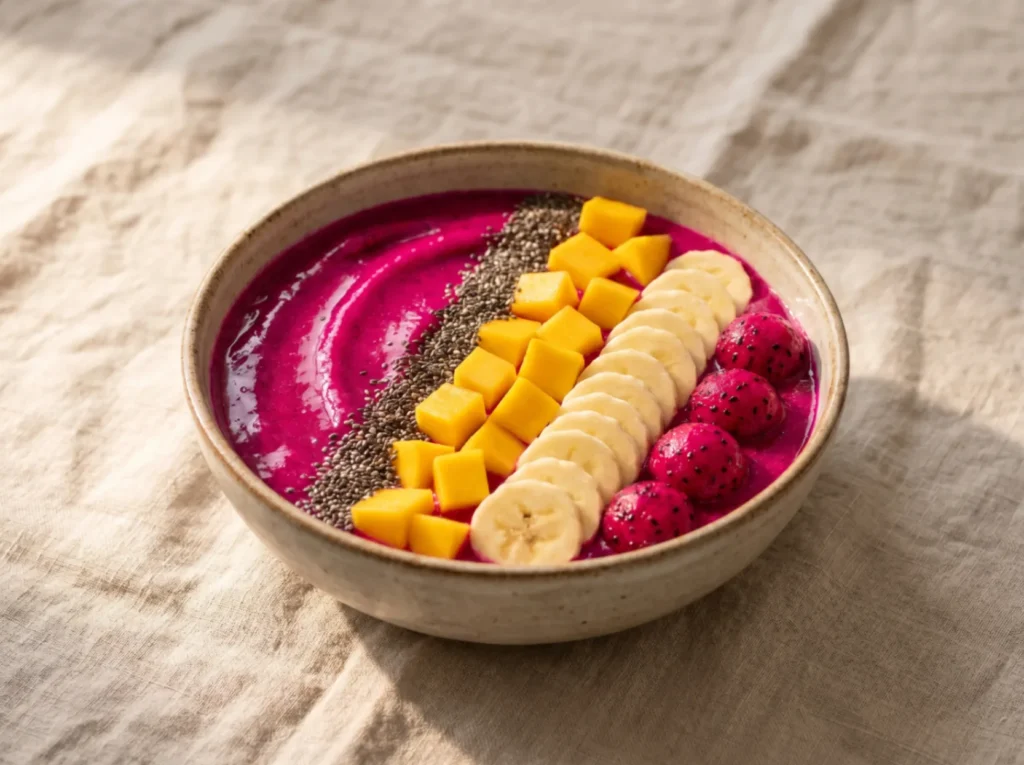
By pairing it with bold, acidic, and sweet tropical counterparts like mango, pineapple, and a generous squeeze of fresh lime juice, you can transform this mild ingredient into a spectacular, crave-worthy meal. Today, we are sharing our absolute favorite way to enjoy this tropical gem: a bright, thick, and creamy smoothie bowl that is guaranteed to revitalize your morning routine.
Where to Buy & Cost Analysis
If you are wondering where to find this exotic ingredient, accessibility has improved drastically across the US. For fresh fruit, your best bet is checking local Asian markets or specialty health food stores like Whole Foods. However, it is important to note that fresh pitaya can be quite expensive and is highly seasonal, often costing several dollars for a single piece.
For a much more cost-effective and convenient alternative, head straight to the freezer aisle at major retailers like Target or Walmart. Buying frozen pitaya packets is not only cheaper but also guarantees peak ripeness and an intense, reliable magenta color. Using frozen packets or pre-cubed frozen fruit is the ultimate hack for making easy dragon fruit recipes without breaking the bank.
The Nutritional Powerhouse of Pitaya
Understanding the health benefits of dragon fruit is the first step to truly appreciating this tropical ingredient. It is remarkably low in calories but packed with essential vitamins and minerals. Because of dragon fruit’s rich antioxidant profile, incorporating it into your diet can help protect your cells from oxidative stress and support a healthy immune system.
For those specifically looking for dragon fruit recipes for weight loss, this fruit is highly recommended. It is rich in dietary fiber, which promotes a feeling of fullness and supports healthy digestion. Furthermore, if you are monitoring your glucose levels, learning how dragon fruit affects blood sugar can be highly beneficial, as the fiber content helps stabilize blood sugar spikes.
We also top this bowl with seeds to maximize nutrition; you can read about the health benefits of chia seeds to see why they make the perfect crunchy, omega-3-rich addition to any plant-based breakfast.
Expanding Your Repertoire: Fun Mini-Recipes
While our signature smoothie bowl is a staple, you can easily branch out to fill other cravings throughout the day. Here are a few quick ways to enjoy this ingredient:
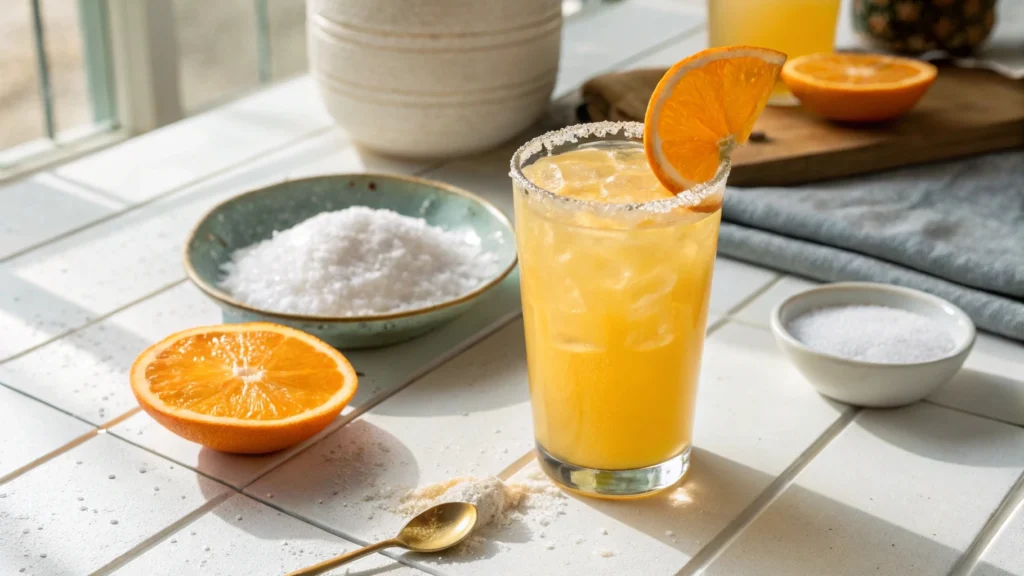
Pitaya Mocktail Refresher: Need refreshing dragon fruit dessert recipes or afternoon pick-me-ups? Mix 1/2 cup of diced pitaya, 1 cup of white grape juice, and a splash of lime juice over ice for a vibrant, non-alcoholic cooler that rivals any expensive coffee shop refresher.
Dragon Fruit Gummies: When searching for healthy dragon fruit recipes for kids, try making homemade fruit snacks! Blend 1 cup of fruit puree with a little water, simmer with agar-agar (a fantastic plant-based substitute for gelatin), and a touch of agave syrup. Pour the mixture into fun silicone molds and chill until set.
Global Flavors: You can also explore international culinary styles. For example, in some modern Indian dragon fruit recipes, diced pitaya is tossed with a pinch of chaat masala and fresh mint for a uniquely savory, tangy fruit salad twist. Whether you use red or explore white dragon fruit recipes, these delicious, simple, tasty (DST) dragon fruit recipes prove just how versatile this ingredient can be.
Planning Your Weekly Menu
While a tropical smoothie bowl is a fantastic breakfast dragon fruit recipes option, balancing your weekly meals is key to a stress-free kitchen. If you are meal-prepping for the week, start your mornings with this vibrant bowl. For lunch, you might prep some thin sliced chicken breast recipes served over a light salad.
When dinnertime rolls around, why not try some flavorful Taiwanese recipes to cook? If you prefer a hearty, savory weekend breakfast instead of a sweet bowl, check out this ultimate guide to kielbasa sausage recipes (we highly recommend using a high-quality, 100% all-beef or turkey kielbasa to keep things lean and delicious).
Finally, if you are looking for more seasonal inspiration, check out these 12 bright breezy summer recipes. For afternoon treats, whip up some back-to-school cookies recipes kids will adore, or save time with these clever pancake mix recipes cookies.
Ingredients for the Perfect Smoothie Bowl
To achieve the thickest, creamiest texture, using frozen fruit is absolutely critical. Note: This recipe is naturally Vegan, Plant-Based, Dairy-Free, and Gluten-Free.
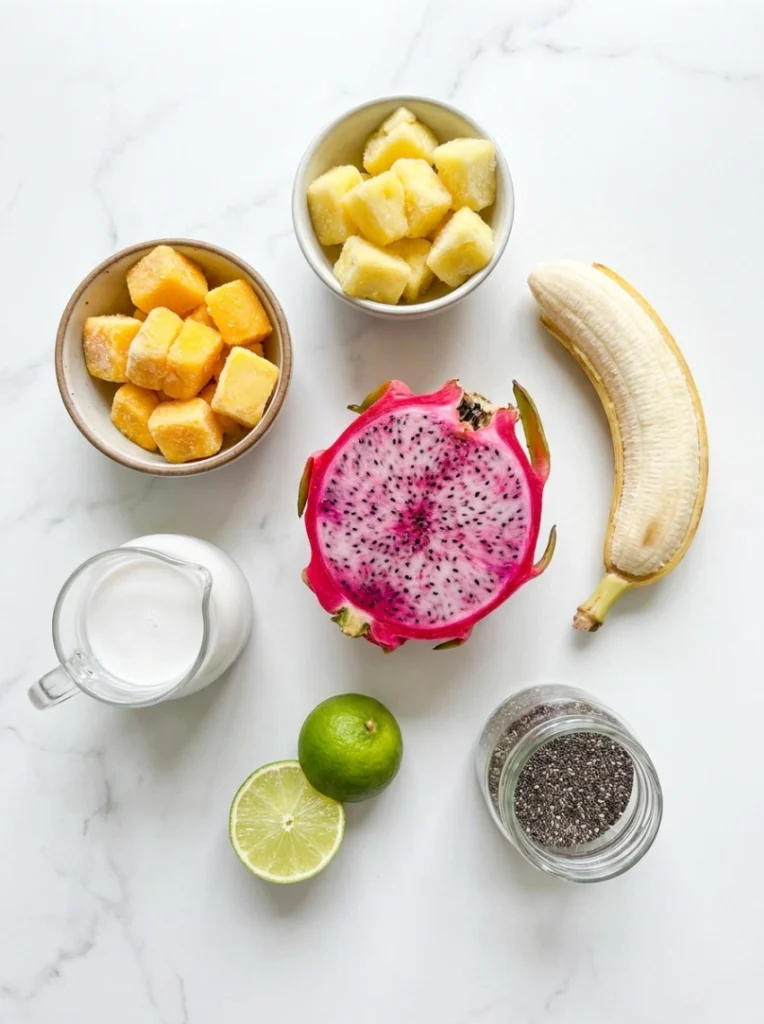
- 1 cup red-fleshed dragon fruit, cut into cubes and frozen
- 1/2 cup frozen mango chunks
- 1/2 cup frozen pineapple chunks
- 1/2 ripe banana
- 1/2 cup unsweetened coconut milk or almond milk
- 1 tablespoon fresh lime juice
- 1 teaspoon chia seeds for topping
Instructions
Follow these simple steps to create your tropical breakfast bowl:
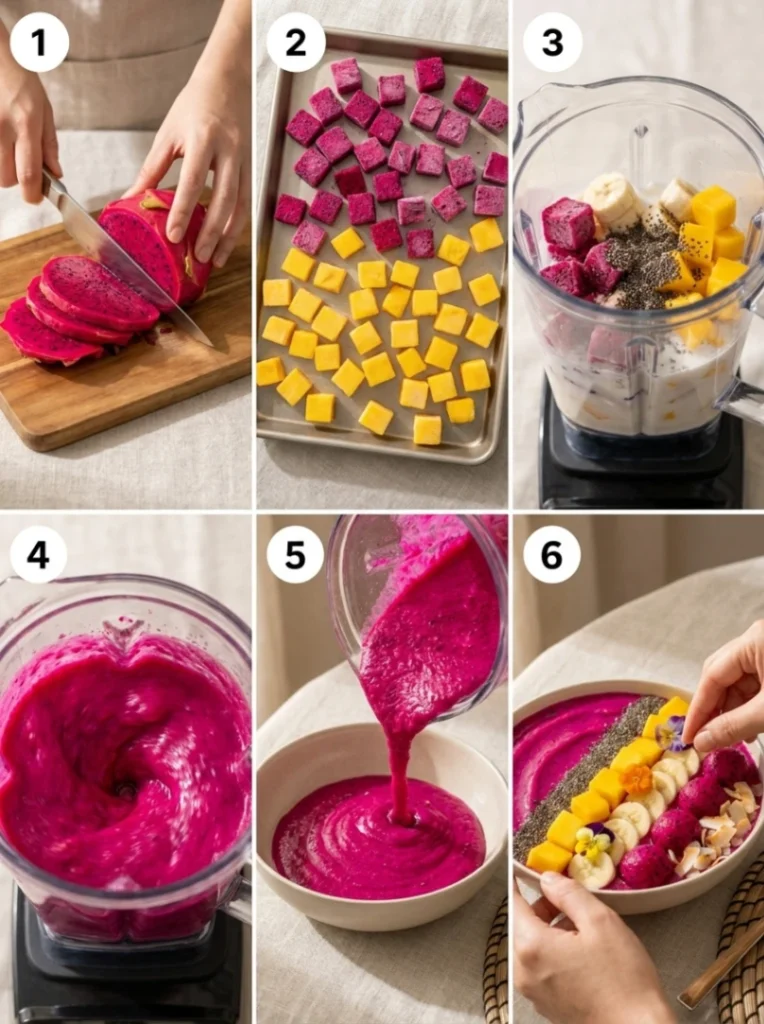
- Select a ripe dragon fruit, slice it in half, and carefully scoop out the flesh.
- Cut the flesh into cubes, arrange them in a single layer on a baking sheet, and freeze until solid to prevent clumping.
- Place the frozen dragon fruit, frozen mango, frozen pineapple, banana, coconut milk, and fresh lime juice into a blender.
- Blend on high speed until completely smooth and a vibrant magenta color is achieved.
- Pour the mixture into a serving bowl.
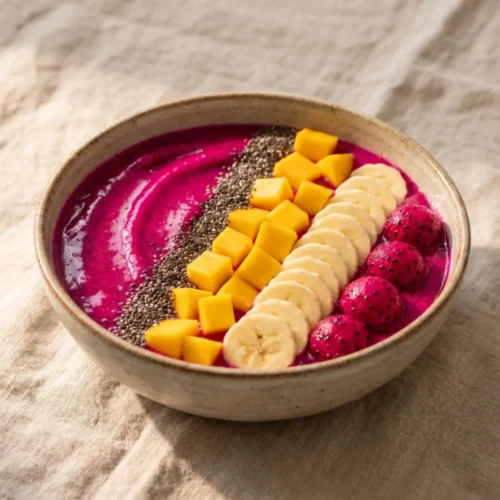
- Top with chia seeds and additional fresh fruit if desired, and serve immediately.
Conclusion
Incorporating this exotic fruit into your daily routine is an absolute joy. By understanding how to properly source, prep, and flavor pitaya, you can unlock its full culinary potential. Try this vibrant, plant-based smoothie bowl today, and experience a refreshing taste of the tropics right in your own kitchen!
Frequently Asked Questions (FAQs)
How do you know if a dragon fruit is ripe and ready to use in recipes?
A ripe dragon fruit will have bright, even-colored skin. When you press it gently, it should give slightly, similar to a ripe avocado or kiwi. If it is too mushy, it is overripe; if it is rock hard, leave it on the counter for a few days to ripen naturally.
What does dragon fruit taste like, and how can I enhance its mild flavor?
Dragon fruit has a very mild, subtly sweet flavor, often described as a cross between a pear and a kiwi. Because its flavor is inherently delicate and slightly watery, it needs a boost. It pairs wonderfully with bolder tropical fruits like mango and pineapple. A squeeze of fresh lime juice, as used in our recipe, perfectly enhances its natural sweetness and adds a bright, zesty contrast.
What is the difference between red, white, and yellow dragon fruit?
White dragon fruit has pink skin and white flesh with black seeds, offering a mild, earthy sweetness. Red dragon fruit has pink skin and vibrant magenta flesh, which is slightly sweeter and richer in antioxidants. Yellow dragon fruit has yellow skin, white flesh, and is widely considered the sweetest and juiciest of the three varieties.
Can you eat dragon fruit skin, and how can it be used to reduce waste?
While the tough, scaly skin of the dragon fruit is generally not eaten raw due to its bitter taste and leathery texture, it absolutely does not have to be thrown away! The skins can be thoroughly washed, boiled, and steeped to make a beautiful, antioxidant-rich pink tea, or they can be pickled. Alternatively, the empty half-shells make excellent, zero-waste serving bowls for your morning smoothie.
Dragon Fruit Recipes for Breakfast

Ingredients
- 1 cup red-fleshed dragon fruit cut into cubes and frozen
- 1/2 cup frozen mango chunks
- 1/2 cup frozen pineapple chunks
- 1/2 ripe banana
- 1/2 cup unsweetened coconut milk or almond milk
- 1 tablespoon fresh lime juice
- 1 teaspoon chia seeds for topping
Instructions
- Select a ripe dragon fruit, slice it in half, and carefully scoop out the flesh.
- Cut the flesh into cubes, arrange them in a single layer on a baking sheet, and freeze until solid to prevent clumping.
- Place the frozen dragon fruit, frozen mango, frozen pineapple, banana, coconut milk, and fresh lime juice into a blender.
- Blend on high speed until completely smooth and a vibrant magenta color is achieved.
- Pour the mixture into a serving bowl.
- Top with chia seeds and additional fresh fruit if desired, and serve immediately.